
Pests
Struggling to identify caterpillars in your garden? These 10 common species cause significant damage to plants, and knowing their appearance helps you take swift action. This visual guide covers their distinct markings, host plants, and telltale damage signs.
Tomato Hornworm Identification and Damage
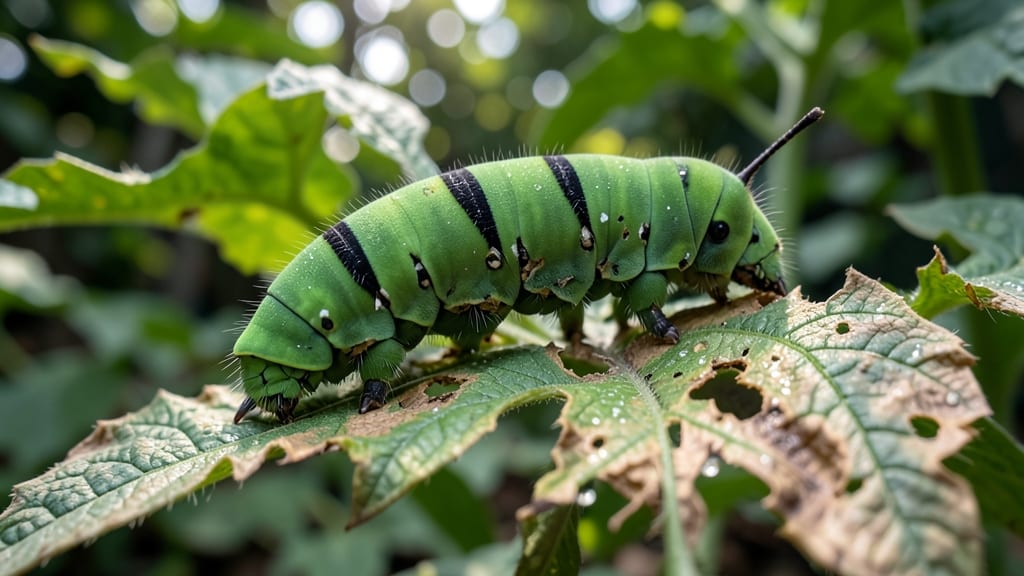
If your tomatoes, peppers, or eggplants are disappearing overnight, the culprit might be a tomato hornworm—one of the most voracious garden pests. These large, green caterpillars can devour entire leaves in hours, leaving behind ragged edges and skeletonized foliage.
Look for their distinctive black "horn" at the rear and white diagonal stripes along their sides, which help them blend into foliage. They thrive in warm climates and can grow up to 4 inches long—about the size of a small banana. Check the undersides of leaves and flower buds, where they often hide during the day.
Early detection is key: Handpick them in the morning or use neem oil to disrupt their feeding cycle. This pest is especially problematic for home gardeners growing nightshades, so stay vigilant during peak growing seasons. 🌿
Cabbage Looper Caterpillar Recognition Guide
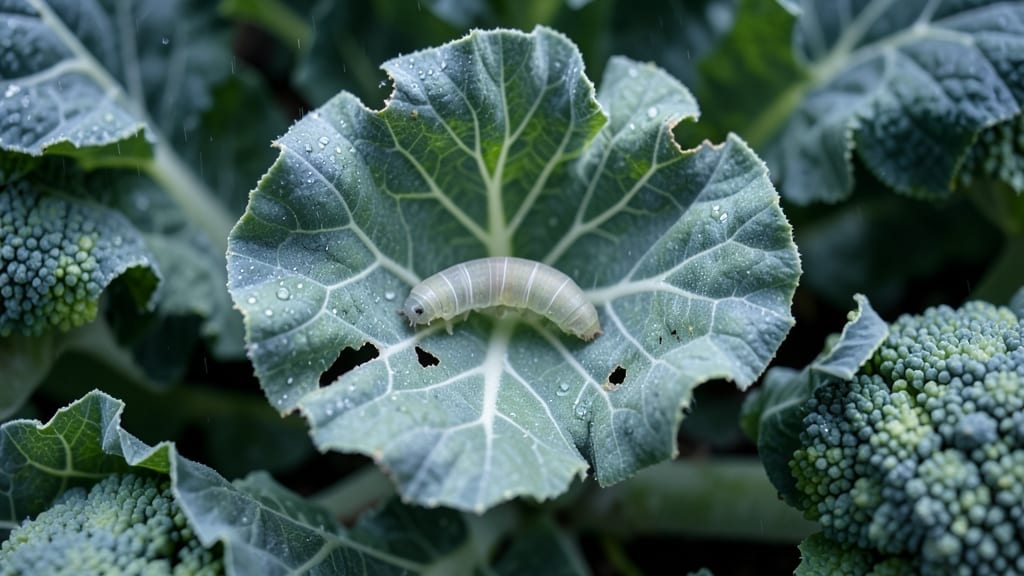
If your brassicas—like cabbage, kale, or broccoli—are suddenly looking ragged, the culprit might be the cabbage looper, a sneaky pale green caterpillar with a looping gait. Unlike the bold tomato hornworm, this pest blends into foliage, making it easy to miss until your plants are already skeletonized.
The key to spotting them lies in their distinct body segmentation: look for a series of faint white stripes along their sides and a slightly flattened, translucent appearance. They move in a looping motion, arching their bodies as they feed, which helps them avoid predators. Check the undersides of leaves—this is where they hide during the day.
Early detection is critical, as these caterpillars can strip a plant in days. Organic controls like Bacillus thuringiensis (Bt) or handpicking (drop them in soapy water) work best when you catch them young. Home gardeners with brassica-heavy plots should monitor leaves regularly—these pests strike fast but leave unmistakable damage. 🌿
Gypsy Moth Caterpillar Visual Identification
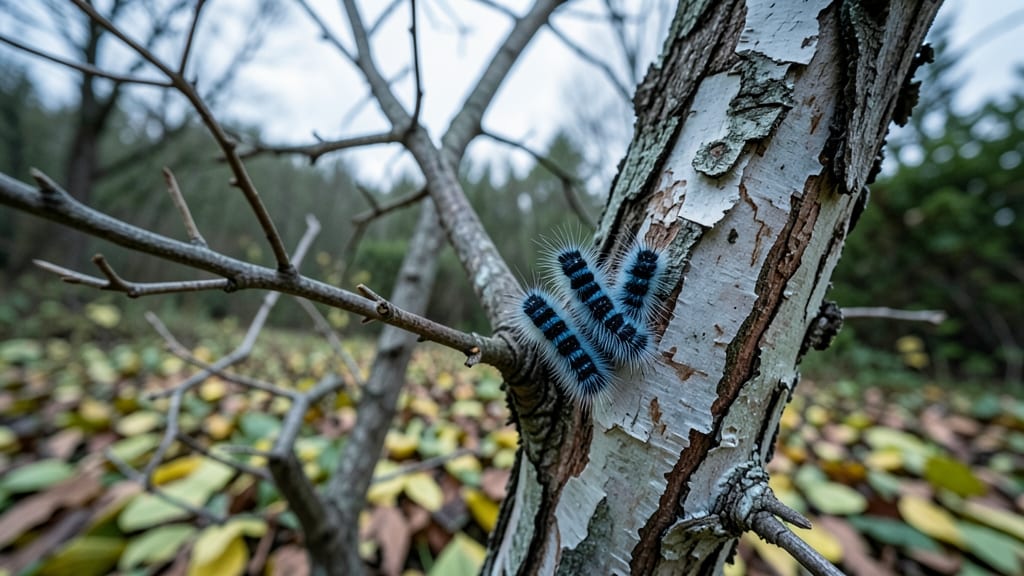
If you’ve noticed woody plants suddenly stripped of leaves, the culprit might be gypsy moth caterpillars. These fuzzy, hairy invaders are one of the most destructive pests in North America, targeting oaks, birches, and fruit trees with relentless appetite.
Look for their blue-black striped bodies with bright red spots along the sides—these caterpillars grow up to 2 inches long and move in dense clusters. Their hairs can irritate skin, so avoid direct contact. Damage appears as skeletonized leaves or complete defoliation, often starting at the tree’s top.
Homeowners in forested areas or suburban gardens should monitor trees in late spring to early summer when caterpillars are most active. Early removal with soapy water sprays or Bt (Bacillus thuringiensis) can prevent widespread destruction. 🌿
Tobacco Budworm Damage and Appearance
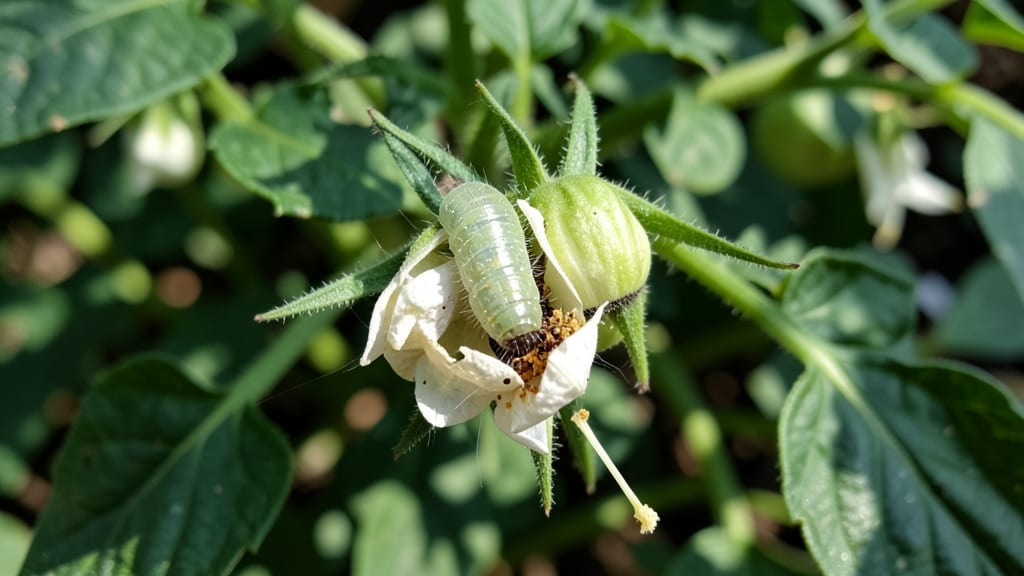
If your tomatoes or peppers are producing fewer fruits than expected, the culprit might be hiding in plain sight—literally. The tobacco budworm (Heliothis virescens) lurks inside flower buds, feasting on developing blossoms before they even have a chance to set fruit.
This green caterpillar with faint white stripes (about 1 inch long) leaves behind wilted, brown buds and chewed petals, often mistaken for disease. Unlike other caterpillars, it avoids leaves, focusing instead on flower centers and young fruit, which can rot prematurely. Check buds daily during peak blooming season—early detection means saving your harvest.
Home gardeners with tomato, pepper, or tobacco plants should prioritize this identification, as budworms thrive in warm climates and can devastate crops before you notice. 🌻
Variegated Cutworm Identification Tips
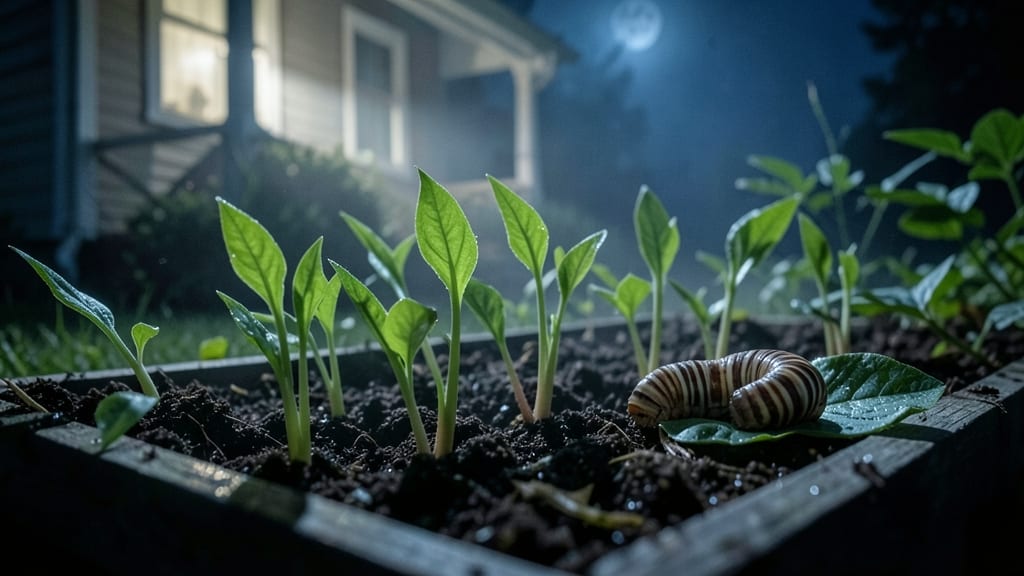
If your young seedlings are mysteriously collapsing overnight, the culprit might be variegated cutworms—nocturnal chewers with a distinctive brown-and-white striped pattern. Unlike other caterpillars, these pests strike after dark, leaving behind neatly severed stems that look like they were cut with scissors.
Look for their mottled, camouflaged bodies (about 1-2 inches long) curled at the base of plants or hiding in soil debris. They thrive in moist, weedy areas and target a wide range of seedlings, including tomatoes, beans, and corn. The key to stopping them? Check soil surfaces at dusk with a flashlight—you’ll often spot their telltale patterns before damage occurs.
This sneaky pest is a nightmare for seedling beds and container gardens, but early detection saves your entire crop. 🌱
Eastern Tent Caterpillar Nest and Larvae
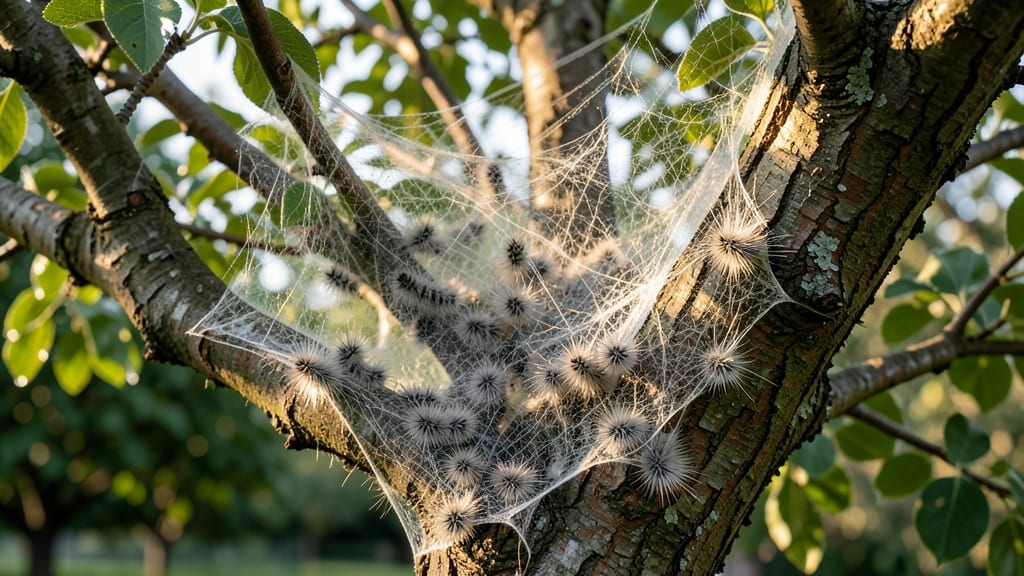
Spotting a silken nest woven into your fruit tree branches? That’s the signature work of the eastern tent caterpillar, a fuzzy menace that targets cherry, apple, and peach trees. Unlike other caterpillars, these larvae build communal nests that expand as their population grows—often going unnoticed until defoliation begins.
The larvae themselves are striking: black with white hairs, giving them a fuzzy appearance. They emerge in spring to strip leaves, weakening trees and reducing fruit production. The key to control is early action—removing nests before caterpillars hatch prevents widespread damage. Prune nests in late winter or early spring when they’re still small and inactive.
Home orchard owners and fruit tree enthusiasts should monitor branches in March and April for these nests. Catching them early means healthier trees and a better harvest later in the season. 🌿
Black Swallowtail Caterpillar Host Plants
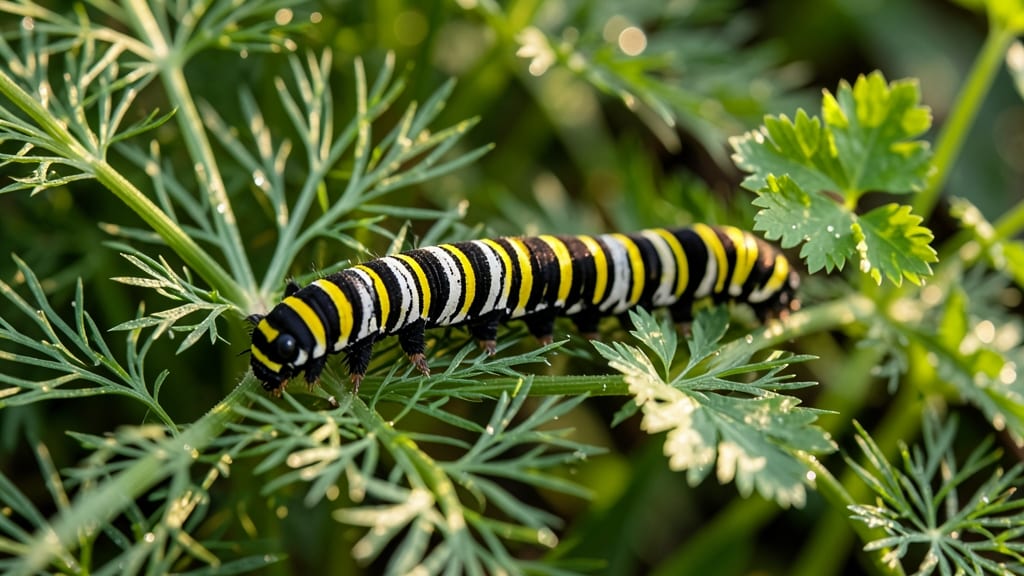
If you’ve ever spotted striking black, yellow, and white striped caterpillars munching on your dill, parsley, or fennel, you’re likely looking at black swallowtail caterpillars—the future of beautiful swallowtail butterflies. These larvae are nature’s double-edged sword: beneficial for pollinators but destructive to your herbs when left unchecked.
The key to managing them lies in their distinctive markings: a black body with bold yellow stripes and white "eyespots" along the sides. While they won’t kill your plants, they’ll leave behind skeletonized leaves—a telltale sign of their feeding. To protect your herbs, handpick larvae or relocate them to nearby milkweed or citrus plants, which they’ll prefer over your edibles.
Herb gardeners and butterfly enthusiasts alike can strike a balance by planting a few sacrificial carrot or parsley plants away from your main crops. This way, you support pollinators while keeping your kitchen herbs intact. 🌿
Saddleback Caterpillar Damage Patterns
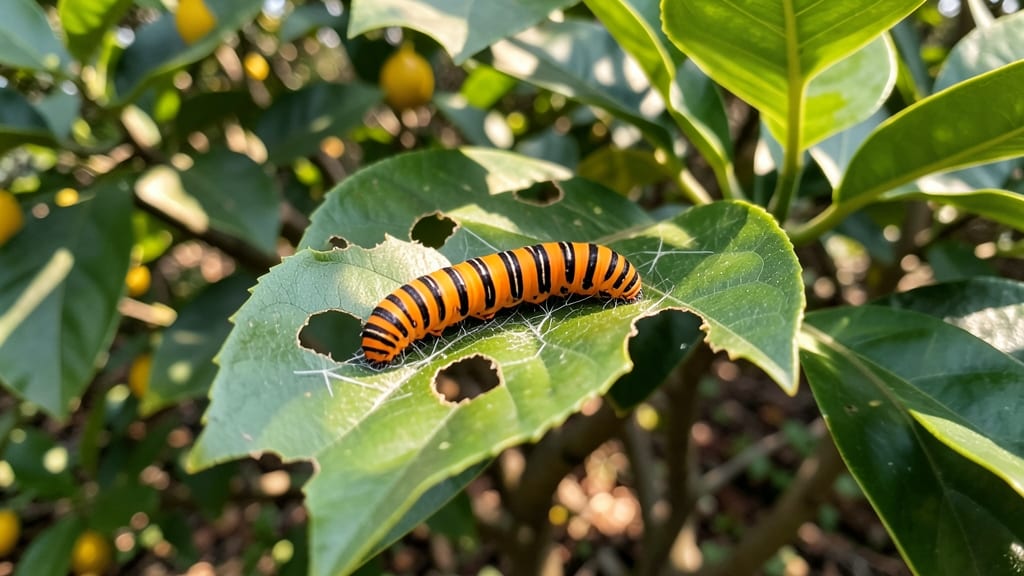
If your citrus trees are showing irregular, jagged holes in their leaves, the culprit might be the saddleback caterpillar—a bold orange and black striped pest that’s hard to miss once you know what to look for.
This caterpillar, also called the citrus looper, feeds exclusively on citrus foliage, leaving behind distinctive "window-pane" chew marks where it strips the leaf edges. Unlike other caterpillars, its saddle-like black markings on an orange body make it unmistakable. Look for them on the undersides of leaves or along branches during early morning hours when they’re most active.
Citrus growers in warm climates should monitor trees regularly, as heavy infestations can lead to complete defoliation and weakened trees. Hand-picking or using Bt spray (a natural bacteria) works best for control. 🌻
Imported Cabbageworm Identification Guide
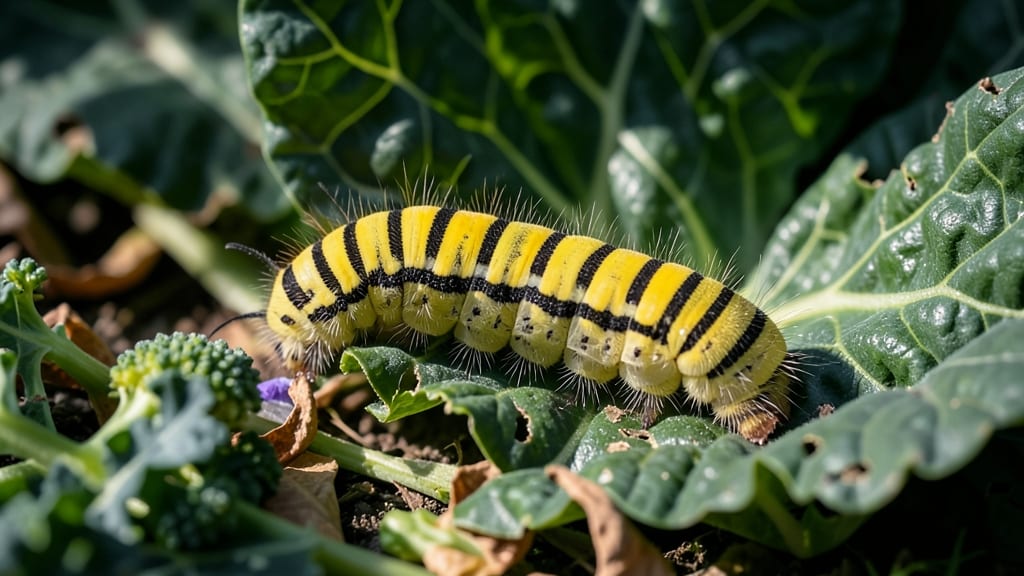
If you’ve ever spotted a yellow and black striped caterpillar munching on your cabbage, broccoli, or kale and assumed it was a butterfly in disguise, you’ve likely encountered the imported cabbageworm. These larvae are masters of camouflage, blending into foliage until they’ve already caused significant damage.
The key to spotting them early lies in their distinctive black and yellow stripes (not to be confused with the adult butterfly’s white wings). Look for irregular holes or skeletonized leaves—their telltale feeding pattern. Unlike other brassica pests, they often hide on the undersides of leaves, making them harder to spot until it’s too late.
Home gardeners growing brassicas should inspect plants weekly during their peak season (late spring to early summer). Handpicking larvae and using row covers can prevent outbreaks before they spiral out of control. 🌿
Spotted Tussock Moth Caterpillar Warning Signs

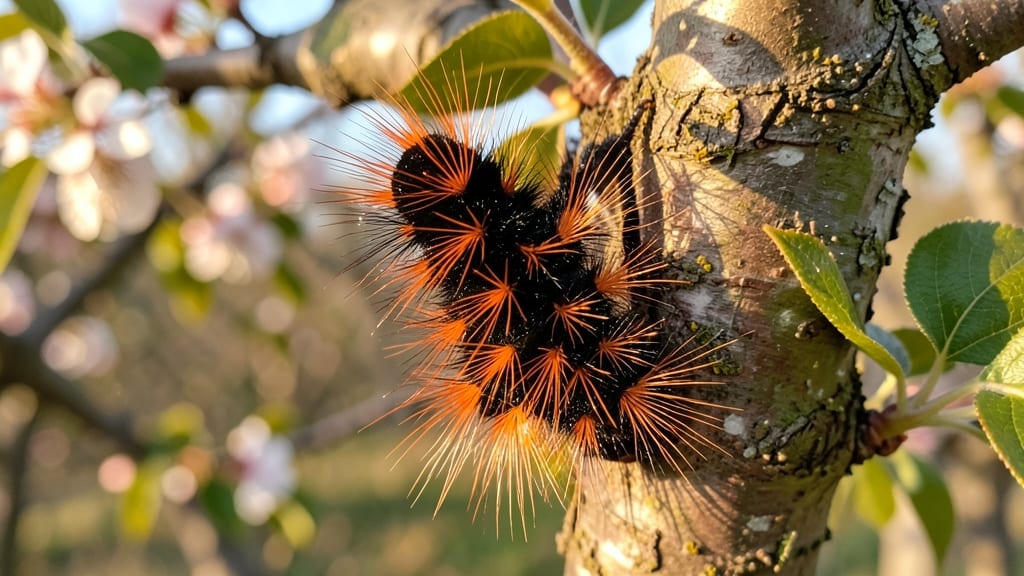
If you spot a caterpillar with black body and bright orange tufts on your fruit trees, don’t touch it—this is a spotted tussock moth caterpillar, and its venomous spines can cause painful skin reactions. These striking larvae are a serious threat to orchards, particularly apple, cherry, and peach trees, where they skeletonize leaves and weaken branches.
Their distinctive markings—black with yellow and orange tufts—serve as nature’s warning sign. Avoid handling them directly, and instead, remove them with gloves or a stiff brush. Look for chewed leaves with ragged edges as a telltale sign of their feeding activity, which can stunt tree growth if left unchecked.
Orchard owners and fruit tree enthusiasts should monitor for these caterpillars in late spring and summer, as they can defoliate entire branches. Early removal and pruning affected foliage are key to protecting your harvest. 🌟