
Pests
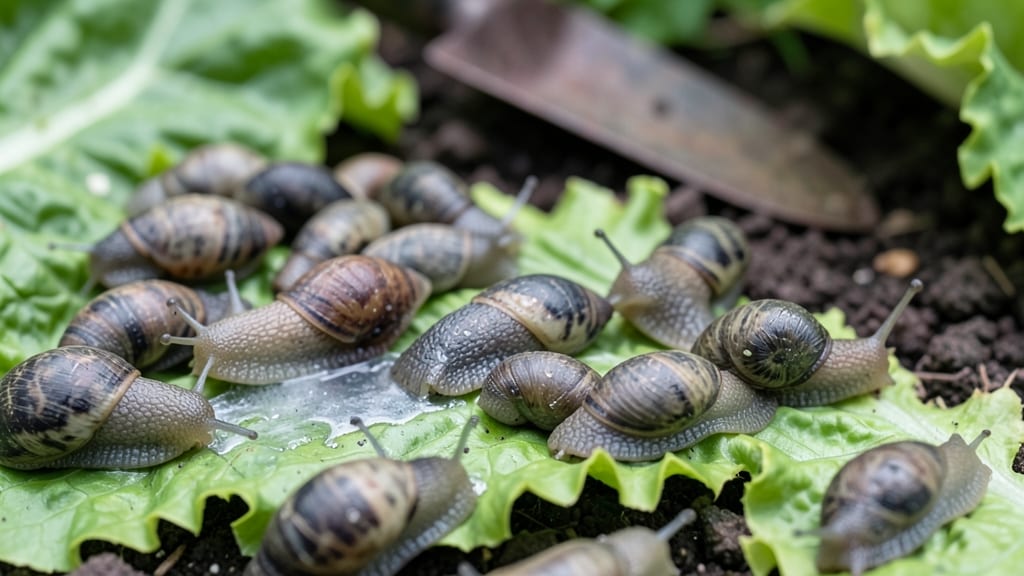
A garden full of slugs can turn lush greenery into a chewed-up nightmare overnight. 🌿 I’ve lost count of the times I’ve woken up to find my prized hostas and lettuce looking like they’d been through a buffet.
The good news? A simple copper barrier can stop them dead in their tracks—literally.
The secret lies in slugs’ natural aversion to copper’s electric charge. When they crawl over it, they get a mild shock and veer away. No chemicals, no traps—just a low-voltage fence that works instantly.
You’ll need about 18 inches of copper tape per linear foot of garden edge, and it lasts for years with minimal upkeep.
Within days, you’ll notice fewer slime trails and more intact leaves. The barrier doesn’t kill slugs—it just redirects them to less critical areas of your garden. Plus, it’s pet-safe and won’t harm beneficial insects like earthworms or bees.
Works for raised beds, container gardens, and in-ground plots alike. Once installed, you’ll forget it’s even there—until you see your plants thriving without a single bite mark. Here’s how to set it up for maximum effectiveness.
The Hidden Reasons Slugs Invade
If your garden is suddenly overrun by slimy visitors, don’t blame bad luck—there are very specific reasons these pests show up in droves. Understanding the science behind their behavior helps you stop them before they destroy your plants. Here’s why your garden becomes their all-you-can-eat buffet.
Slugs thrive in damp conditions because their bodies lose water rapidly when exposed to dry air. A garden full of slugs often means:
- Overwatering or poor drainage – Slugs love soil that stays soggy for days. If your garden retains moisture (like clay soil or shaded areas), it’s an open invitation.
- Morning dew or rain – These pests are most active at night and during humid days. If your plants stay damp past mid-morning, slugs will linger.
- Mulch that traps moisture – Thick organic mulch (like wood chips) can create a slug paradise if it doesn’t dry out quickly.
Actionable fix: Improve drainage, water deeply but less frequently, and avoid mulching too heavily in problem areas.
Slugs aren’t picky, but they have a top-tier list of plants they adore—especially tender, juicy, or young growth. Common slug magnets include:
| Plant Type | Why Slugs Love It | Examples |
|---|---|---|
| Leafy Greens | Soft, water-rich leaves are easy to munch | Lettuce, spinach, cabbage |
| Hostas & Ferns | Thick, moist foliage is irresistible | Hostas, ferns, astilbe |
| Newly Planted Seedlings | Delicate stems are their snack of choice | Tomatoes, peppers, herbs |
| Decaying Organic Matter | Rotten wood or compost = free protein bar | Mulch piles, fallen fruit |
Actionable fix: Remove slug-favorite plants from high-risk areas or protect them with barriers (like copper tape or crushed eggshells).
Slugs are nocturnal and need hiding spots during the day to avoid predators (like birds and frogs). If your garden offers:
- Dense ground cover (like ivy or thick grass) where they can burrow.
- Rocks, boards, or debris that create cool, humid microclimates.
- Shady, humid corners (they avoid direct sunlight).
Actionable fix: Clear debris, trim dense ground cover, and use reflective mulch (like gravel) to deter them.
Ironically, too much nitrogen in your soil can attract slugs because it makes plants grow faster—and faster growth means more tender, slug-friendly leaves. Synthetic fertilizers and composted manure are common culprits.
Actionable fix: Use slow-release fertilizers, avoid over-fertilizing, and balance nitrogen with phosphorus/potassium.
Sometimes, our own gardening habits create slug highways:
- Leaving pet food or fallen fruit – Slugs eat decaying matter, so compost piles or uneaten pet food attract them.
- Planting near woodpiles or sheds – Dark, damp spots near structures become slug headquarters.
- Ignoring early signs – Small holes or silvery slime trails mean slugs are already moving in.
Actionable fix: Store firewood away from gardens, clean up debris, and check for slugs after rain.
Now that you know why your garden is a slug superhighway, the next step is defense—starting with a copper barrier that works instantly to stop them in their tracks. 🚫🐌
How to Fix Your Slug-Infested Garden
A garden full of slimy invaders can feel like a losing battle, but don’t despair! 🌱🐌 With the right strategies, you can reclaim your plants and keep slugs at bay—without resorting to harsh chemicals.
Below, we’ve mapped out practical, slug-specific solutions based on the root causes (like damp soil, hiding spots, or nighttime raids) and paired them with prevention tips to keep your garden slug-free long-term.
Slugs thrive in moist conditions, so if your garden is a soggy buffet, they’ll stick around. Drainage + drying tactics are your first line of defense.
💧 Reduce Moisture Hotspots
- 🌡️ Water in the morning (not evening) to let soil dry faster.
- 🏗️ Improve drainage by amending clay soil with compost or sand.
- ☀️ Create dry zones near plants by using gravel mulch (avoid organic mulch like wood chips—it traps moisture).
🌡️ Use Drying Agents
- 🪨 Sprinkle diatomaceous earth (DE) around plants—it dehydrates slugs (reapply after rain).
- ❄️ Salt isn’t ideal (harms soil), but crushed eggshells act as a natural abrasive.
💡 Pro Tip: If your garden stays damp year-round, consider raised beds—they dry out faster and deter slugs naturally.
Slugs love cozy nooks under debris, dense foliage, or thick mulch. Eliminate their hideouts and install physical barriers to cut off access.
🧹 Clear Debris & Prune Strategically
- 🗑️ Remove boards, rocks, and thick mulch where slugs hide during the day.
- ✂️ Trim low-hanging leaves (slugs use them as bridges to climb plants).
- 🌿 Space plants to allow airflow—slugs avoid open, dry areas.
🛡️ Install Physical Barriers
- 🔄 Copper tape (the star of this article!) creates a shock barrier—slugs hate the electric-like zap.
Wrap it around pots or create a looped border around garden edges. - 🧶 Sharp-edged barriers: Crushed eggshells, broken terracotta pots, or plastic bottle rings (cut and bury rim-side down) create painful obstacles. - 🛏️ Coffee grounds (used, not fresh) repel slugs—sprinkle around plants as a natural deterrent.
✨ Bonus: Beer traps (bury a shallow dish of beer) work for heavy infestations, but they’re a short-term fix—combine with barriers for best results.
Slugs are nocturnal, so disrupt their nightly feasts with targeted traps and deterrents.
🕯️ Light Up the Night (Literally)
- 💡 Solar-powered LED lights near garden edges can dry out slugs and make them less active.
- 🕯️ Citrus peels or garlic cloves placed around plants emit smells slugs avoid.
🕵️♂️ Set Up Traps
- 🍺 Beer traps (as mentioned) or yeast + water traps (mix 1 tbsp yeast + 1 cup water in a shallow dish).
- 🧲 Check traps daily—remove slugs and dispose of them far from your garden (they’ll return if left nearby).
💡 Pro Tip: If you’re using traps, place them 10+ feet away from your garden—slugs will still find your plants if they’re too close!
Instead of fighting slugs alone, leverage their enemies to keep populations in check.
🐸 Attract Slug-Eating Allies
- 🐸 Frogs & toads love slugs—add a small pond or shallow water dish to attract them.
- 🐦 Birds (like thrushes) eat slugs—install birdhouses or birdbaths to encourage them.
- 🦎 Ground beetles & hedgehogs are slug hunters—avoid pesticides to keep them around.
🌿 Plant Slug-Repelling Companions
- 🌿 Rosemary, thyme, mint, and lavender deter slugs with strong scents.
- 🌶️ Spicy plants like chili peppers or marigolds can confuse slugs with their odors.
To keep slugs from coming back, follow this maintenance routine:
- 🌱 Inspect weekly for new slug activity (especially after rain).
- 🔄 Reapply barriers (like copper tape or DE) every few months.
- 💧 Water consistently—slugs love sudden moisture spikes.
- 🌿 Rotate repellent plants to keep slugs guessing.
- 🧹 Keep the garden tidy—no hiding spots = no slugs!
Final Thought: Slugs may seem unstoppable, but with copper barriers, drying tactics, and smart prevention, you can outsmart them without chemicals. Start with one or two methods, monitor progress, and scale up if needed. Your garden will thank you! 🌿💪
Frequently asked questions
Why do slugs suddenly appear in large numbers?
Slugs thrive in damp, humid conditions, so sudden rain or overwatering can trigger a population explosion. They also multiply rapidly when hiding spots (like thick mulch or debris) are available. Check for silvery slime trails at night—they’re a dead giveaway!
Will copper tape work for all types of slugs?
Yes! Copper tape repels both slugs and snails because their soft bodies detect the electrical charge. For heavy infestations, create a continuous loop around raised beds or containers. Just ensure the tape stays clean and free of debris for maximum effectiveness.
Are beer traps humane for controlling slugs?
Beer traps are a quick fix, but they’re not the most humane method. Slugs drown in the liquid, and the process can be slow and messy. For a gentler approach, try copper barriers or diatomaceous earth instead—both deter slugs without harming them.
How often should I reapply crushed eggshells?
Crushed eggshells break down over time, so reapply every 2-3 weeks or after heavy rain. For best results, place them around plant bases in the evening when slugs are most active. They create a sharp barrier that slugs avoid.
Can slugs return after using copper tape?
Slugs may test the barrier at first, but they’ll avoid it once they experience the shock. For long-term defense, combine copper tape with drying agents like diatomaceous earth. Regularly inspect the tape for damage and clean it to maintain its effectiveness.