
Tools
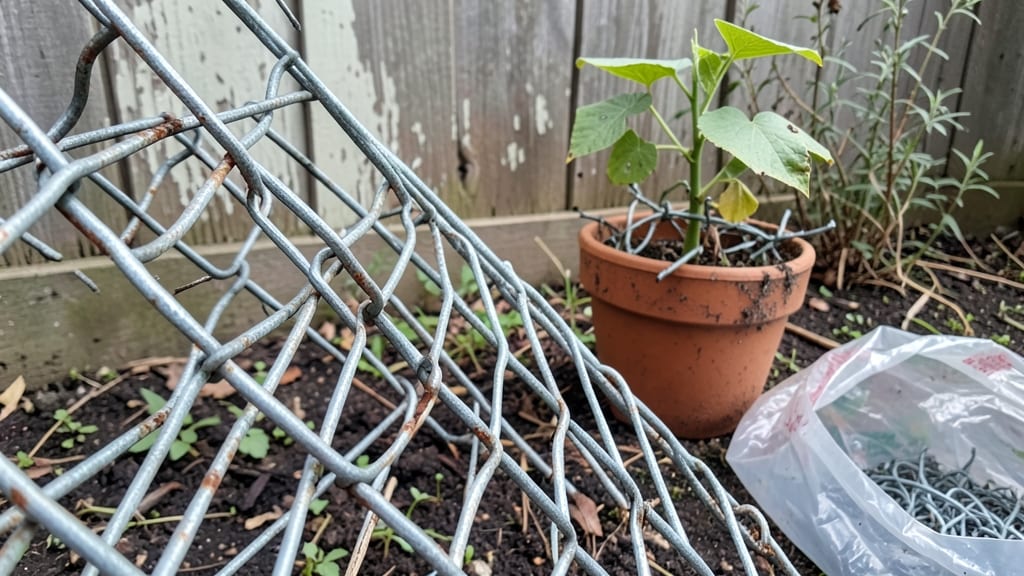
Choosing the right garden trellis material can make or break your vertical garden dreams—especially when heavy vines like morning glories or pole beans are involved. 🌿 I’ve tested bamboo, metal, and wood trellises over three growing seasons, and each has a surprising strength that matches the right plant.
My bamboo trellis held up for two years before splintering, while the metal one stood firm through a storm but showed rust after just one wet season.
The key isn’t just durability—it’s how each material plays with your garden’s style. Wood blends seamlessly into cottage gardens but needs sealing, while metal trellises add modern flair but can overheat in full sun. Bamboo offers a natural look with decent strength but may not handle aggressive climbers like passionflowers.
For me, the choice came down to what I wanted my garden to feel like, not just what would last.
By the end, you’ll know which trellis holds the most weight, resists the most rot, and fits your garden’s vibe without looking out of place. I’ll even share how to install them so they stay sturdy—no wobbly supports here.
Whether you’re training roses or growing cucumbers, the right material makes all the difference.
Bonus: I’ll show you how to mix materials for creative designs, like pairing wood and metal for a rustic-modern look. No more guessing—just proven setups that work. Let’s get started!
📚 In This Guide
- What you need
- Instructions
- Tips and common mistakes
- Wrapping up and next steps
What you need
- ● Trellis Base Material (Pick One): Bamboo: 2–4 sturdy poles (1–2 inches in diameter, 6–8 feet long)
- ● Wood: 4x4 or 2x4 pressure-treated posts (8-foot lengths) + cedar or redwood slats (1x4 or 2x4)
- ● Metal: Galvanized steel or aluminum pipes (½–¾ inch diameter, 6–8 feet long) or pre-made trellis grids
- ● Fasteners: Galvanized screws or lag bolts (3–4 inches long)
- ● Metal straps or zip ties (for bamboo/metal connections)
- ○ Optional Extras: Powder-coated paint or stain (for wood/metal durability)
- ● Concrete footings or gravel (for stability)
- ● Garden twine or nylon mesh (for climbing support)
- ● Measuring tape + pencil
- ● Drill/driver + bits
- ● Hacksaw or metal cutter (for custom cuts)
- ● Level (to keep your trellis straight!)
- ● Post hole digger or auger (if burying posts)
- ○ Optional: Paintbrush, clamps, or a staple gun (for mesh)
How to choose the best garden trellis material for your needs
Not all trellises are created equal—here's how to pick the perfect material for your garden's demands.
🌱 Step 1: Assess Your Garden’s Needs and Space
Start by measuring the area where you'll install the trellis. For vertical gardens or heavy vines like grapes or passionfruit, you'll need a sturdy, wide-base design—wood or metal handles this best. I measure the height I want (usually 6-8 feet for most climbers) and mark the post locations with stakes to visualize the layout.
Consider what you're growing: lightweight annuals like morning glories or nasturtiums work with bamboo or lightweight metal, while perennial climbers like clematis or kiwi vines demand thick wood or heavy-duty metal. Sketch a rough design—this prevents costly mistakes later.
🪴 Step 2: Compare Material Strengths and Weaknesses
Bamboo is my go-to for temporary or lightweight projects—it’s affordable, easy to assemble, and blends into natural settings. However, it’s not ideal for wet climates or heavy vines, as it can warp or split over time. For smaller plants like beans or peas, a 4-6 foot bamboo trellis works perfectly.
Wood (like cedar or redwood) offers durability and customization but requires regular maintenance—painting or sealing every 1-2 years to prevent rot. I use 4x4 posts for stability and 2x4 slats for climbing surfaces. Wood excels for permanent installations but needs proper grounding to resist wind.
Metal (galvanized steel or aluminum) is the strongest option for large-scale or windy gardens. It won’t rot or warp but can rust over time if not treated. For heavy climbers like hops or wisteria, I opt for powder-coated metal to extend its lifespan. The trade-off? Higher upfront cost but decades of use with minimal upkeep.
☀️ Step 3: Factor in Climate and Maintenance
Your local weather dictates material choices. In humid or rainy climates, avoid untreated wood—it rots within 1-2 seasons. Instead, I use pressure-treated pine (for budget) or cedar (for natural resistance). For dry climates, bamboo or metal lasts longer with less maintenance—just check for loose screws or rust annually.
Sun exposure matters too. Dark-colored metal absorbs heat and can burn hands—I always choose light-colored or powder-coated options for safety. Wood trellises in full sun may crack over time, so I stain them with UV-resistant sealant to prevent warping.
✂️ Step 4: Install Based on Material Type
For bamboo, I drive 4-foot stakes into the ground at 4-foot intervals, then weave or tie the poles together horizontally. Use jute twine for a natural look—it’s strong enough for light vines but won’t damage the bamboo. Bury stakes 12 inches deep for stability, especially in windy areas.
Wood trellises need concrete footings for permanence. Dig holes 12 inches deep, set posts in waterproof sleeves, and fill with quick-setting concrete. For freestanding designs, angle posts slightly outward at the base to prevent leaning. Pre-drill holes for screws to avoid splitting the wood.
Metal trellises often come with pre-assembled kits—just follow the manufacturer’s instructions for post holes and anchor bolts. For DIY metal, I use galvanized screws and corrosion-resistant hardware. Always ground the metal properly to prevent lightning damage in storm-prone areas.
⏰ Step 5: Maintain for Longevity
Check your trellis seasonally for loose parts, rust, or rot. For wood, sand rough spots and reapply sealant every 2 years. For metal, spray with rust converter at the first sign of corrosion. I keep a small toolkit nearby—screwdriver, wire cutters, and extra twine—to make quick repairs before issues escalate.
After heavy rains or storms, inspect for structural damage. If a bamboo pole splinters or a wooden slat cracks, replace it immediately—weak spots can collapse under vine weight. For metal, tighten bolts if posts shift. A little preventative care keeps your trellis standing for years.
Tips & tricks for perfect garden trellis selection
Choosing the right trellis material can make all the difference between a sturdy garden feature and a flimsy disappointment. Here's how to avoid common pitfalls and maximize your investment.
Climate Considerations: Don't overlook your local weather when selecting materials. In humid climates, untreated wood will rot within 1-2 seasons as mentioned in Step 3, so opt for pressure-treated pine or cedar. For dry climates, bamboo and metal require minimal maintenance—just check for loose screws or rust annually. I learned this the hard way after replacing three bamboo trellises in my rainy garden!
Height and Weight Matching: The 6-8 foot height recommendation in Step 1 is ideal for most climbers, but heavier vines like passionfruit need extra support. For these, use wood or metal with wider bases—think of it like choosing a sturdy ladder for heavy loads. I always double-check vine weight against material strength before purchasing.
Installation Shortcuts: For bamboo trellises, bury those 4-foot stakes 12 inches deep as specified in Step 4—this prevents leaning in windy areas. Pro tip: Use a post hole digger with a depth gauge to ensure consistent depth. For wood trellises, pre-drilling holes prevents wood splitting when you add screws later.
Maintenance Calendar: Mark your calendar for seasonal checks as recommended in Step 5. I set reminders every spring and fall to inspect for rust, rot, or loose parts. For wood trellises, keep that UV-resistant sealant handy—reapplying every 2 years prevents cracking from sun exposure.
Pro Tips for Garden Trellis Material
- Choosing the right trellis material can make all the difference between a sturdy garden feature and a flimsy disappointment.
- Climate Considerations: Don't overlook your local weather when selecting materials.
- Height and Weight Matching: The 6-8 foot height recommendation in Step 1 is ideal for most climbers, but heavier vines like passionfruit need extra support.
Frequently asked questions
Got questions about garden trellis materials?
You’re not alone! Here are answers to the most common concerns to help you pick the perfect trellis for your space.
What’s the best trellis material for heavy vines like grapes or wisteria?
For heavy climbers like grapes or wisteria, metal or thick wooden trellises are your best bet. Metal (like galvanized steel) handles weight well, while pressure-treated wood or cedar offers durability. Avoid flimsy bamboo—it may sag under heavy loads. Always check weight limits if unsure!
How long does a wooden trellis last before needing replacement?
With proper care, a wooden trellis can last 5–10 years. Cedar and redwood resist rot best, while pressure-treated pine lasts longer if sealed. Metal trellises last 10–20+ years (rustproof versions), and bamboo typically lasts 3–5 years before degrading. Regular staining/sealing extends lifespan!
Can I DIY a trellis, or should I buy pre-made?
DIY is totally doable! Wood and bamboo are easiest for beginners (just need screws, stakes, and lattice panels). Metal trellises require basic welding or sturdy hardware. Pre-made options save time but may lack customization. If you’re handy, DIY lets you tailor size/shape to your plants!
How do I prevent rust on a metal trellis?
Rust is the enemy of metal trellises! Choose galvanized or powder-coated steel for built-in protection. For existing trellises, apply a rust-inhibiting primer and paint with outdoor-grade enamel. Avoid leaving water pooled on horizontal bars—tilt them slightly or add drainage holes. Check annually for signs of corrosion!
Are there eco-friendly trellis alternatives?
Bamboo
is sustainable (fast-growing) and biodegradable, while recycled metal or reclaimed wood reduce waste. For a zero-waste option, try living willow or vine arches—weave flexible branches into natural trellises. Just ensure materials are locally sourced to cut carbon footprint!
Wrapping up and next steps
Choosing the right garden trellis material depends on your priorities—whether it’s durability, aesthetics, or low maintenance. Bamboo offers a natural, eco-friendly look with moderate strength, while metal trellises bring rugged durability and sleek designs.
Wood strikes a balance with classic charm and solid support, though it requires more upkeep. No matter your pick, the key is matching the material to your garden’s needs and your long-term vision!
Ready to transform your space? Start by sketching your trellis design, measuring your garden, and gathering your materials. 🌱 Pro tip: Visit a local nursery or hardware store to compare options in person—seeing (and touching!) the materials will help you decide with confidence. Happy building! 🛠️