
Tools
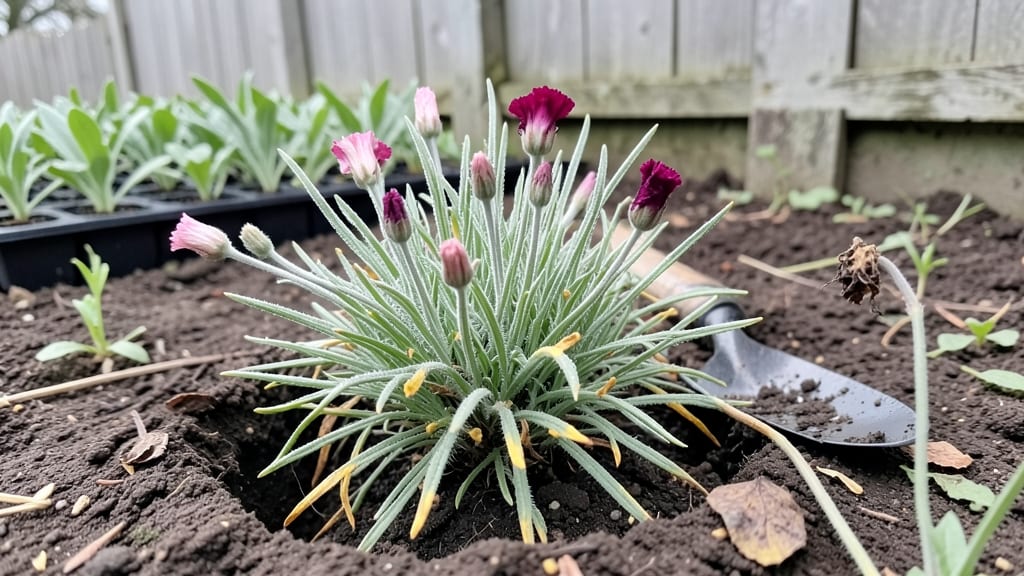
March gardening is all about seizing the moment before spring gets away—cold-hardy crops like peas, spinach, and broccoli can go in the ground weeks before summer plants.
I’ve learned the hard way that rushing too early leads to frost-killed seedlings, while waiting too long means missing the prime window for cool-season crops to establish roots before summer heat hits.
The key is checking your last frost date and planting accordingly, but even more critical is prepping the soil right.
Start by amending last year’s garden beds with compost or aged manure—this jumpstarts microbial activity and warms the soil faster. If your ground is still frozen or waterlogged, focus on indoor seed starting for heat-loving plants like tomatoes and peppers, or direct-sow cold-tolerant greens under row covers.
A simple soil thermometer (under $10) tells you when it’s safe to plant; aim for 40°F or above for most cool-season crops. Patience here saves you from replanting later.
What you’ll gain is a head start on the growing season—harvests begin earlier, pests arrive later, and your plants grow stronger before summer stress sets in. I’ve had peas ready to pick by late April and broccoli forming heads by May, all because I followed this timeline.
The payoff isn’t just in the calendar; it’s in the confidence of knowing your garden is off to the right start.
Regional tweaks matter: Northern gardeners should wait until soil temperatures stabilize, while Southerners can plant earlier but may need shade cloth for tender seedlings. Either way, keep an eye on the forecast—March is the month where one warm weekend can lull you into false confidence.
Trust the data, not the weather report.
📚 In This Guide
- What you need
- Instructions
- Tips and common mistakes
- Wrapping up and next steps
What you need
- ● Garden Gloves: 1 pair (waterproof, reinforced for durability).
- ● Hand Trowel: 1 (stainless steel, 6–8" blade for precision planting).
- ● Pruning Shears: 1 (bypass-style, sharp for clean cuts).
- ● Garden Fork: 1 (heavy-duty, 12–18" for aerating soil).
- ● Rake: 1 (bendable-tine for fine soil prep).
- ● Hose with Adjustable Nozzle: 1 (for gentle watering).
- ● Seed Starting Trays: 2–4 (biodegradable or plastic, 72-cell for efficiency).
- ○ Seedling Heat Mat (Optional but Helpful): 1 (for indoor starts in colder climates).
- ● Compost or Fertilizer: 1 bag (balanced 10-10-10 or organic options like worm castings).
- ● Mulch: 1–2 bags (straw or shredded leaves for insulation).
- ● Seeds: Choose cold-tolerant varieties like peas, spinach, kale, lettuce, or broccoli (packets for 50–100 seeds).
- ● Transplants (if available): 2–4 (hardy greens, onions, or herbs from local nurseries).
- ● Cold Frame or Row Covers: 1–2 (for extending the season in frost-prone areas).
- ● Check your last frost date (USDA Zone Map helps!).
- ● Test your soil pH (aim for 6.0–7.0 for most veggies).
- ● Plan your layout (sketch or use a grid for spacing).
- ● Prepare seedling mix (sterile, well-draining potting soil).
Instructions for March gardening: planting cold-hardy crops with confidence
March is your chance to jumpstart the season—here’s how to plant with precision for a thriving spring garden.
Assess Your Last Frost Date and Soil Conditions
Before planting, check your local last frost date—most cold-hardy crops can handle light frosts, but tender seedlings need protection until temperatures stabilize. I dig a 6-inch hole in the garden, fill it with water, and cover it overnight. If the water freezes, you’re not ready to plant frost-sensitive crops yet.
Test your soil’s readiness by pressing your finger into the ground. If it crumbles easily and feels cool but workable (around 45-55°F), it’s time to plant. Cold soil slows root growth, so wait if the ground is still rock-hard or waterlogged from winter melt. Amend heavy clay with a 2-inch layer of compost to improve drainage and warmth.
Plant Cool-Season Crops and Early Vegetables
Start with hardy vegetables like peas, spinach, and kale, which thrive in 40-50°F soil. I sow seeds directly into the garden 2-3 weeks before your last frost date—this gives them a head start without risking transplant shock. For broccoli and cabbage, plant transplants 3-4 weeks before the last frost to ensure strong root establishment before warmer weather arrives.
Space seeds according to their mature size: 1 inch apart for radishes, 2-3 inches apart for lettuce, and 6-12 inches apart for cabbage. Press seeds gently into the soil (no deeper than twice their diameter) and cover lightly with a thin layer of soil or compost. Water gently to avoid displacing seeds, and keep the soil consistently moist until germination.
Protect Tender Plants from Late Frosts
Even cold-hardy plants can suffer if temperatures dip below 25°F. Use row covers, cold frames, or cloches to shield seedlings from unexpected frosts. I drape lightweight fabric over young plants in the evening and remove it during the day to allow sunlight and airflow. For extra protection, lay straw mulch 2-3 inches thick around the base of plants—it insulates roots and retains moisture.
Monitor weather forecasts closely. If a hard freeze is predicted, cover plants with burlap sacks or cardboard boxes to trap heat. Avoid plastic sheets, which can trap too much moisture and cause rot. Water plants deeply before the freeze—hydrated soil holds heat better and protects roots from temperature swings.
Start Warm-Season Plants Indoors for a Head Start
While the ground is still cool, begin sowing tomatoes, peppers, and eggplants indoors under grow lights or in a sunny window. Use biodegradable pots to avoid disturbing roots later. Plant seeds ¼ inch deep in sterile seed-starting mix, and keep the soil at 70-75°F for consistent germination. Most seedlings will emerge in 7-14 days, depending on the variety.
Once sprouts appear, move them to a bright, warm spot (65-75°F) and keep the soil moist but not soggy. Harden off seedlings 1-2 weeks before transplanting outdoors by gradually exposing them to outdoor conditions. This acclimation period prevents shock and ensures stronger, more resilient plants ready for the garden.
Plan and Prepare Beds for Future Plantings
March is the perfect time to organize your garden layout. Sketch a simple map of where each crop will go, considering sun exposure, soil quality, and companion planting. I mark rows with stakes or string to keep beds neat and make future planting easier. Add compost or aged manure to enrich the soil, and till or loosen the top 6 inches to encourage root growth.
Rotate crops if possible—avoid planting the same family (like tomatoes or peppers) in the same spot every year to prevent disease buildup. If your soil is still cold or wet, focus on cover crops like clover or winter rye to suppress weeds and improve soil structure. By the end of March, your garden should be ready for a full planting schedule by spring.
Tips & tricks for March gardening success
Here’s what I’ve learned after years of early-season gardening—these tricks help you avoid common pitfalls and maximize your March planting efforts.
Soil Temperature Matters: In Step 1, when checking soil readiness, remember that 45-55°F is the sweet spot for root growth. If your soil feels colder than 45°F, wait a few more days—roots won’t establish properly in chilly conditions. I’ve seen gardeners rush planting only to have seedlings struggle in cold soil, so don’t skip this check. A simple soil thermometer makes this easy and prevents wasted effort.
Timing is Everything: The 2-3 weeks before last frost window in Step 2 is critical for cool-season crops. I always mark my calendar with my local last frost date and count backward—this ensures seeds get enough time to germinate before warmer weather arrives. For broccoli and cabbage transplants, sticking to the 3-4 weeks before last frost rule gives them a strong start. If you’re unsure about your frost date, check local agricultural extension resources for precise data.
Frost Protection Secrets: When temperatures dip below 25°F in Step 3, I’ve found that combining row covers with straw mulch works best. The mulch insulates roots while the covers protect above-ground growth. For extra security, I place a small fan nearby to circulate air—this prevents condensation buildup under covers that can lead to fungal issues. Always remove covers during the day to maintain airflow and prevent overheating.
Indoor Seed Starting: In Step 4, maintaining 70-75°F soil temperature is key for consistent germination. I use a heating mat under my seed trays to maintain this temperature without needing a greenhouse. Once sprouts appear, I move them to a sunny window, rotating trays daily to ensure even growth. The 1-2 weeks hardening-off period before transplanting is non-negotiable—it’s what makes the difference between fragile seedlings and resilient plants ready for the garden.
Pro Tips for Gardening In March
- Here’s what I’ve learned after years of early-season gardening—these tricks help you avoid common pitfalls and maximize your March planting efforts.
- Soil Temperature Matters: In Step 1, when checking soil readiness, remember that 45-55°F is the sweet spot for root growth.
- Timing is Everything: The 2-3 weeks before last frost window in Step 2 is critical for cool-season crops.
Frequently asked questions
about gardening in March—because even the best-laid plans need a little troubleshooting! Here are answers to the most common questions to help you ace your early spring planting.What are the coldest-hardy vegetables I can plant in March?
Start with broccoli, cabbage, kale, peas, spinach, and lettuce—these thrive in cooler temps (down to 25–30°F). For potatoes and onions, plant as soon as the soil is workable (around 40°F). Check your USDA Hardiness Zone for local guidance!
How do I know if my soil is ready for March planting?
Test it with the finger rule: If the top 6–12 inches are dry enough to crumble (not sticky), it’s ready. For clay-heavy soil, amend with compost or aged manure 2–3 weeks before planting. A soil thermometer (aim for 45–55°F) is your best friend!
What if a late frost hits after I’ve planted?
Don’t panic! Use frost cloths or row covers to protect tender seedlings. For hardy crops like kale or peas, a light frost can even sweeten the flavor. Monitor your local frost dates and keep a garden journal to track patterns.
Can I start seeds indoors in March instead of direct-sowing?
Tomatoes, peppers, and herbs
(like basil) need a 6–8 week head start indoors under grow lights. Use seed-starting mix (not garden soil) and keep temps around 70°F. Transplant outdoors after the last frost when nights stay above 50°F.
What tools do I really need for March gardening?
Prioritize a sturdy trowel, pruners, and a soil thermometer. A wheelbarrow (for hauling compost) and garden gloves are must-haves too. Skip the fancy gadgets—focus on durability and ease of cleaning. Pro tip: Disinfect tools with rubbing alcohol to prevent disease!
What’s the best way to extend my growing season in March?
Try cold frames, hoop houses, or raised beds to trap heat. Mulch heavily (straw or leaves) to insulate roots, and plant succession crops (like radishes) every 2 weeks for continuous harvests. Even a black plastic mulch can warm soil by 10–15°F!
Wrapping up and next steps
March is your perfect launchpad for a thriving garden—just follow the right timing and prep work! By planting cold-hardy crops like peas, spinach, and broccoli, and prepping soil for later warm-weather plants, you’ll set yourself up for early harvests and long-term success. 🌱
Ready to dive in? Start small—even a few containers or a single raised bed can make a big difference. Your next step: Grab your gloves, check your frost dates, and pick one or two plants to try this week.
Happy gardening—your future self (and hungry family!) will thank you! 🌿