
Tools
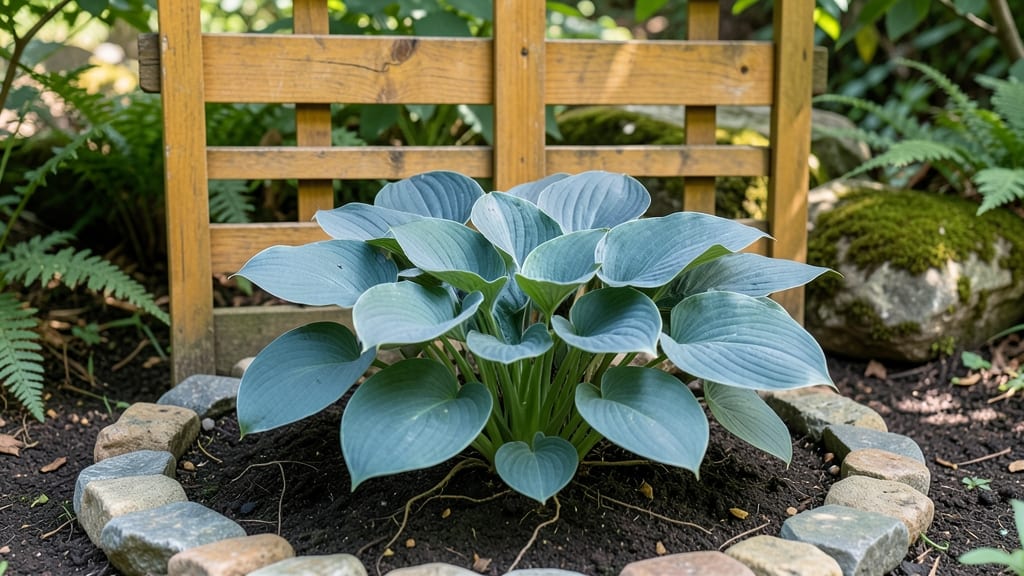
Understanding gardening zones in Europe transforms your planting from guesswork to confidence. 🌿 I’ve spent years growing everything from lavender in Provence to hardy cabbages in Scotland, and the difference a zone map makes is night and day—no more wilting tomatoes or frozen seedlings.
The European system divides regions by temperature ranges and frost dates, so you’ll know exactly which plants thrive in your area’s climate. Mediterranean zones (like mine) love drought-tolerant herbs, while Northern Europe gardens need cold-resistant perennials.
Your first step is finding your zone using a reliable map—most European countries now have detailed digital tools. Once you know your number, match it to plant hardiness lists for your specific country or region.
For example, Zone 8 in Spain handles citrus trees, while Zone 4 in Poland requires heavy mulch for tender annuals. The key is working with your climate, not against it—think of it as giving your plants the perfect microcosm to flourish.
You’ll end up with a garden that’s easier to maintain, more productive, and far less frustrating. Picture fragrant rosemary bushes that never bolt in the heat, or cabbages that survive winter’s chill without protection.
The right plants in the right zones mean fewer failures and more time enjoying the results. Plus, you’ll discover regional specialties you never knew existed—like growing olives in Portugal or rhubarb in the UK.
This approach works for containers, raised beds, or full yards—just adjust for microclimates like sunny walls or shaded corners. Whether you’re a city dweller with a balcony or a countryside gardener with acres, knowing your zone is the foundation of success. Let’s get you planted right!
📚 In This Guide
- What you need
- Instructions
- Tips and common mistakes
- Wrapping up and next steps
What you need
- ● Soil Testing Kit – Check pH and nutrient levels (€10–€25).
- ● Compost or Organic Fertilizer – 5–10 kg per 10 sq. m (€5–€15).
- ● Mulch (Straw/Pine Bark) – 2–3 cm layer (€8–€15 per bag).
- ● Drip Irrigation System – Adjustable for water efficiency (€20–€50).
- ● Pruners & Hand Trowel – Sharp, stainless steel (€15–€30).
- ● Garden Gloves – Heavy-duty for thorny plants (€10–€20).
- ● Seasonal Plant Seeds/Bulbs – Zone-specific varieties (€5–€20 per pack).
- ● Greenhouse or Cold Frame – Extend growing seasons (€50–€200).
- ● Thermometer/Hygrometer – Monitor microclimates (€15–€40).
- ● Rain Barrel – Collect water for drought-prone zones (€30–€80).
- ● Pest-Repellent Plants – Marigolds, lavender (€3–€10 per plant).
How to choose the right gardening zones in Europe for year-round planting
Europe’s diverse climates mean your garden’s success hinges on picking the right zone. Here’s how to match plants to your local conditions.
🌱 Step 1: Identify Your European Gardening Zone
Europe uses the USDA Hardiness Zone Map, divided into 13 zones (1-13) based on average minimum winter temperatures. Find your zone by checking the map or using your local weather station data. For example, Zone 7 covers much of southern England and northern Spain, while Zone 4 includes parts of Scandinavia and the Alps.
If you’re unsure, look for your city on the map or use an online zone finder. I always double-check with neighbors—some rural areas can be 2-3 zones colder than nearby cities due to elevation or microclimates. Write down your zone number; it’s the foundation for every planting decision.
☀️ Step 2: Adjust for Microclimates and Local Conditions
Even within the same zone, your garden’s exact conditions matter. A south-facing slope can add 2-3 zones of warmth, while a frost pocket might drop temperatures by 5-10°F. Observe your space for 3-5 years to note frost dates, heat waves, and wind exposure.
I keep a simple logbook with notes like “First frost: October 15, Last frost: April 20” or “South wall stays 10°F warmer in winter.” This helps me push zone limits—planting Zone 8 perennials in a sheltered microclimate where Zone 7 is official.
🌿 Step 3: Select Plants That Thrive in Your Zone
Once you know your zone, choose native or well-adapted plants that naturally handle your climate. For Zone 5 (e.g., Paris, parts of Germany), opt for hardy perennials like lavender, Russian sage, and peonies, while Zone 9 (e.g., southern Italy, Spain) supports olives, bougainvillea, and citrus with winter protection.
Check seed packets or plant tags for zone ranges—if a plant lists Zones 5-9, it’s flexible, but Zones 7-10 only won’t survive a cold snap in Zone 5. I always pick one step colder than my zone for safety, especially for young plants still establishing roots.
⏰ Step 4: Plan for Seasonal Shifts and Extreme Weather
Europe’s zones aren’t just about winter—summer heat, drought, and coastal winds also shape gardening. In Zone 8 Mediterranean climates, water deeply but infrequently to prevent fungal diseases, while Zone 4 continental zones need mulch and windbreaks to protect tender plants.
I schedule two planting windows: early spring (March-April) for cold-hardy crops and late summer (August-September) for heat-tolerant varieties. If your zone has late frosts (e.g., Zone 6 in Scotland), wait until May 1 to plant frost-sensitive veggies like tomatoes.
✂️ Step 5: Extend the Growing Season with Smart Techniques
To garden year-round in Europe, use season extenders like cold frames, cloches, or row covers in cooler zones. In Zone 5, I cover strawberries in late fall to harvest into December, while in Zone 9, I shade tender plants in July-August to prevent scorching.
For Zone 3-4 gardens, focus on cold-hardy edibles like kale, Brussels sprouts, and winter squash. In milder zones, succession planting keeps harvests going—sow lettuce every 2 weeks from spring to fall. The key is observation: adjust as your microclimate evolves.
Tips & tricks for climate-smart European gardening
Here's what I've learned after years of gardening across Europe’s varied climates—these tricks will help you make the most of your zone.
Microclimate Mapping: Real talk: your garden might not follow the official zone perfectly. I use a simple chalk or flag system to mark areas that get extra sun, shade, or frost pockets. A south-facing wall can be 10°F warmer than the rest of your yard, so plant heat-lovers like lavender there even in Zone 6. This lets you push your zone limits without risking plant loss.
Zone Buffer Strategy: When selecting plants, always choose ones rated for one zone colder than yours. That extra margin gives young plants time to establish roots before winter hits. For example, in Zone 7, I opt for Zone 6-rated perennials like Russian sage—they handle unexpected cold snaps better than borderline Zone 7 plants. This simple shift has saved me countless plants over the years.
Seasonal Observation: Start a basic garden journal this year—just jot down your first and last frost dates, plus any unusual weather patterns. After 3-5 years, you'll spot trends like "our zone 6 area gets late frosts until May 10" or "the north side stays 5°F cooler at night." This local data becomes your secret weapon for pushing boundaries with tender plants. I've used my notes to successfully grow Zone 8 citrus in my Zone 7 microclimate by protecting them during cold snaps.
Season Extender Hacks: Don't wait until winter to think about cold protection. In Zone 5, I pre-assemble lightweight row covers and cold frames in early fall so they're ready when first frosts hit. For Zone 9 gardens, I keep shade cloth on hand to protect heat-sensitive plants during July-August heatwaves. These prep steps save time during critical planting windows and prevent last-minute scrambling when weather turns.
Pro Tips for Gardening Zones Europe
- Here's what I've learned after years of gardening across Europe’s varied climates—these tricks will help you make the most of your zone.
- Microclimate Mapping: Real talk: your garden might not follow the official zone perfectly.
- Zone Buffer Strategy: When selecting plants, always choose ones rated for one zone colder than yours.
Frequently asked questions
Got questions about gardening zones in Europe? You’re not alone! Here are answers to the most common concerns—whether you're a newbie or a seasoned green thumb.
What are gardening zones in Europe, and how do they differ from the USDA system?
Europe uses the USDA Hardiness Zone Map as a baseline, but local microclimates (like coastal vs. inland areas) create unique conditions. For example, Mediterranean regions (Zone 9-10) have milder winters, while Scandinavia (Zone 3-4) faces harsh frosts. Always check USDA’s interactive map or regional guides for precision.
When is the best time to plant based on my European gardening zone?
Timing varies! In Zone 5-7 (e.g., UK, Germany), plant cool-season crops (like lettuce) in early spring/fall, while warm-season veggies (tomatoes) go in after last frost (May–June). Zone 9-10 (Spain, Italy) allows year-round planting—just avoid summer heatwaves. Check your local frost dates for safety.
Can I grow tropical plants in colder European zones (e.g., Zone 4)?
Yes, but with tricks! Move potted plants (like citrus or bananas) indoors in winter or use greenhouses/cloches. For outdoor gardens, opt for cold-hardy tropicals like Fatsia japonica (Zone 7) or grow them in containers. Pro tip: Mulch heavily to protect roots!
How do I adjust my garden if I move to a different European zone?
Start by researching your new zone’s last frost date and native plants. Gradually replace heat-loving species (e.g., peppers) with cold-tolerant alternatives (kale, Brussels sprouts). Test soil pH—European zones often have acidic (e.g., UK) or alkaline (Mediterranean) soils, affecting plant health.
Why are my plants struggling despite being in the "right" zone?
Zones are a starting point—other factors matter! Check for:
- Soil quality: Amend clay or sandy soil with compost.
- Sun exposure: Shade-loving plants (e.g., ferns) need protection in Zone 9.
- Pests/disease: Zone 8’s humid climate may invite aphids—use neem oil!
- Wind/salt: Coastal zones (e.g., Netherlands) need windbreaks.
Keep a garden journal to track issues!
Wrapping up and next steps
Understanding Europe’s gardening zones is your first step to creating a thriving, climate-smart garden! 🌱 By matching plants to your region’s unique conditions—whether it’s the Mediterranean’s warmth or the Nordic chill—you’ll unlock year-round success with less guesswork. Start small, experiment with native species, and let your green space flourish.
Ready to dive in? Pick a plant, check your zone, and get growing! 🌍✨