
Companion Plants
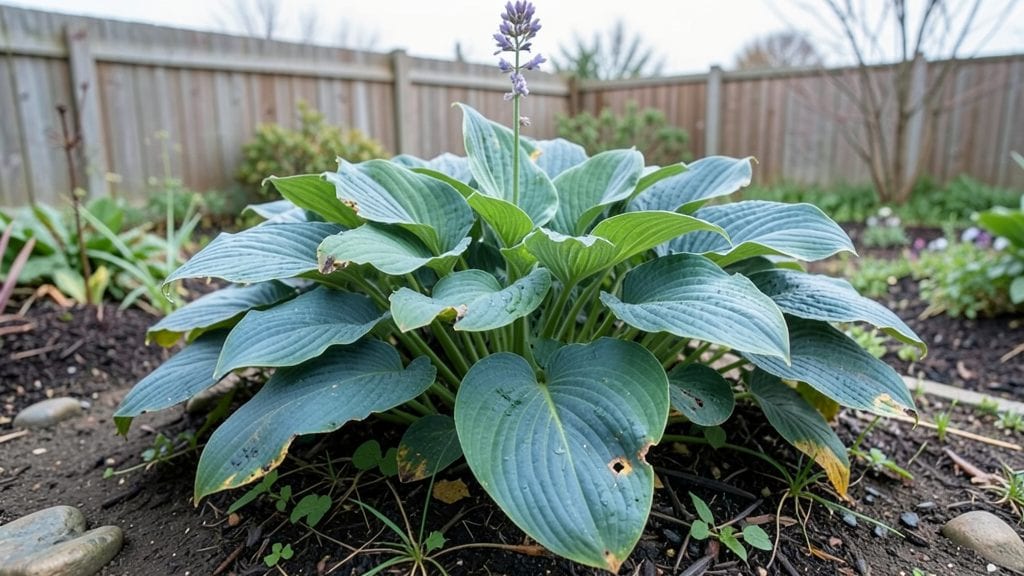
A great garden plants location for pollinators begins with a sunny border that buzzes with life—just by pairing the right plants in the right spots. ✨ I’ve designed borders that turn my yard into a magnet for bees and butterflies.
The secret isn’t complicated: full sun, well-draining soil, and a mix of blooms that feed pollinators from spring through fall.
Think perennials like lavender and coneflowers paired with annuals like cosmos and zinnias. These combos thrive in 6+ hours of sunlight, attract beneficial insects, and keep the border looking vibrant all season.
The key is layering plants by height—tall grasses at the back, mid-height bloomers in the middle, and low-growing ground covers like creeping thyme up front.
You’ll end up with a border that’s not just pretty but functional—more pollinators mean healthier plants, and the colors pop against any backdrop. The fragrance alone makes it worth the effort. Plus, these pairings work in zones 5-9, so they’re adaptable to most climates.
Start small—even a 4-foot-wide strip makes a difference—and watch your garden transform into a thriving ecosystem. The best part? You’ll harvest more fruits and veggies because pollinators do the work for you.
📚 In This Guide
- What you need
- Instructions
- Tips and common mistakes
- Wrapping up and next steps
What you need
- ● Plants: 3–5 Echinacea purpurea (Coneflower) – Drought-tolerant perennials, 12–24" tall
- ● 3–5 Rudbeckia hirta (Black-Eyed Susan) – Bright yellow blooms, 12–36" tall
- ● 3–5 Salvia nemorosa (Purple Sage) – Fragrant spikes, 24–36" tall
- ● 2–3 Asclepias tuberosa (Butterfly Weed) – Orange blooms, attracts monarchs, 18–36" tall
- ● 1–2 Monarda didyma (Bee Balm) – Red/pink flowers, 24–48" tall (may spread)
- ● Soil Amendments: 1–2 bags compost (50 lb each) – Improves drainage and fertility
- ○ 1 bag perlite or coarse sand (optional, for sandy soil)
- ● Tools: 1 garden trowel or hand shovel
- ● 1 pruning shears (for trimming)
- ● 1 garden hose with spray nozzle or watering can
- ● 1 measuring tape (for spacing plants)
- ● 1 gloves (to protect hands)
- ● 1–2 mulch bags (straw or shredded bark) – Retains moisture and suppresses weeds
- ● 1 pollinator-friendly fertilizer (low-nitrogen, like 5-10-10) – Boosts blooms
- ● 1 stakes or plant markers – Labels for easy identification
- ● 1 birdbath or shallow water dish – Attracts pollinators
- ● 1 garden journal – Track plant growth and blooming times
- ● A sunny border location with at least 6–8 hours of direct sunlight daily.
- ● Well-draining soil (amend if clay-heavy with compost/sand).
- ● Access to water (garden hose or drip irrigation system).
- ● Pro tip: 💡 Test soil pH (ideal: 6.0–7.0 for most pollinator plants). Use a soil test kit if unsure!
How to design a pollinator-friendly sunny border
Here's the layout I use to create a thriving, low-maintenance sunny border that supports bees, butterflies, and hummingbirds.
🌿 Step 1: Choose Your Pollinator Powerhouse Plants
Start with a mix of 4-5 perennial staples that bloom sequentially from early spring to late fall. Coneflowers (Echinacea purpurea) and black-eyed Susans (Rudbeckia hirta) are my go-to workhorses—they're drought-tolerant once established and packed with nectar. Add Russian sage (Perovskia atriplicifolia) for late-season color and height, plus bee balm (Monarda didyma) for its vibrant blooms and aromatic leaves.
For height variation, include purple giant hyssop (Agastache) at the back (it reaches 3-4 feet tall) and salvia (Salvia nemorosa) for early summer color. I always include milkweed (Asclepias tuberosa)—it's the only host plant for monarch butterflies and thrives in full sun. Space plants 18-24 inches apart to allow airflow and prevent disease.
☀️ Step 2: Prepare the Sunny Border Location
Select a site with at least 6-8 hours of direct sunlight daily—most pollinator plants wilt or produce fewer blooms in shade. Test the soil by digging a 6-inch deep hole—if it's compacted or clay-heavy, amend with 2-3 inches of compost mixed into the top 12 inches. I avoid synthetic fertilizers here; pollinators prefer plants with strong natural fragrances, which often develop best in leaner soil.
Clear existing vegetation but leave any beneficial ground cover like creeping thyme or clover—these provide early-season nectar and prevent erosion. If your soil drains poorly, consider building a 6-inch raised bed using the 4 cubic feet of garden soil you've set aside. This ensures roots stay aerated and plants establish quickly.
🪴 Step 3: Plant With Pollinator Pathways in Mind
Arrange plants in three distinct layers: tall backrow plants (3-4 feet), mid-height bloomers (2-3 feet), and low-growing ground covers (under 1 foot). I always place milkweed and bee balm near the center—their strong fragrances attract pollinators from a distance. Surround them with coneflowers and salvia to create a gradual transition in bloom times.
Leave 12-inch gaps between plant clusters to create "landing strips" for bees and butterflies. Avoid dense planting—pollinators need clear paths to navigate. Water deeply after planting to settle roots, then let the soil dry slightly between waterings. This mimics natural rainfall patterns and encourages deeper root growth.
✂️ Step 4: Maintain for Continuous Blooms
Deadhead spent blooms weekly to encourage reblooming—this is especially critical for annuals like cosmos or zinnia if you include them. I use clean, sharp pruners to snip just above the first set of leaves, which stimulates new growth. For perennials like coneflowers, leave some seed heads in late fall—they provide winter food for finches and other birds.
Mulch with 2 inches of shredded bark in early spring to retain moisture and suppress weeds. Avoid thick mulch layers—over 3 inches can smother roots and attract pests. Water deeply 2-3 times per week during the first growing season, then taper to once weekly once plants establish. You'll know they're thriving when you see bumblebees constantly foraging by mid-morning.
💧 Step 5: Seasonal Care for Year-Round Pollinator Support
In early spring, fertilize lightly with 5-10-10 fertilizer (use 1 tablespoon per plant) to jumpstart growth. Focus on removing any winter-damaged stems—cut back to 2 inches above ground level for perennials. By late summer, reduce watering slightly to harden off plants for fall. This prevents sudden stress when cooler weather arrives.
Leave some seed heads standing through winter—they're critical food sources for goldfinches and other seed-eating birds. In early spring, prune back Russian sage and giant hyssop by one-third to encourage bushier growth. The key is creating a year-round food source—even dormant plants provide shelter for beneficial insects.
Tips & tricks for perfect sunny border planting
A few strategic moves will transform your sunny border into a pollinator paradise that thrives year after year. Here's what I've learned from years of trial and error in my own garden.
Plant Selection Strategy: When choosing your 4-5 perennial staples in Step 1, prioritize plants with staggered bloom times. I pair early bloomers like salvia with late-season Russian sage to ensure continuous nectar throughout the growing season. For example, salvia blooms in early summer while Russian sage peaks in late summer—this creates an uninterrupted food source for pollinators. The key is creating a "bloom calendar" where something is always in flower from spring through fall.
Soil Preparation Insight: In Step 2, don't be afraid to go deeper than the recommended 6-inch soil test if you suspect compaction. I've found that digging down to 12 inches and thoroughly amending with compost creates a root-friendly environment that supports plant health for years. This is especially important for milkweed, which needs well-draining soil to establish properly. The 2-3 inches of compost recommendation is a minimum—add more if your soil is particularly heavy.
Pollinator Pathway Design: The 12-inch gaps between plant clusters in Step 3 are more important than you might think. These spaces create "landing strips" that allow bees to navigate efficiently between plants. I like to think of it as creating a garden highway system where pollinators can move quickly and safely. For even better results, add a few flat stones or small logs as additional landing platforms—pollinators appreciate these resting spots during their busy foraging days.
Maintenance Timing: The weekly deadheading in Step 4 is crucial, but timing matters just as much as frequency. I find that mornings are ideal because the blooms are fully open and easier to remove. Also, use clean pruners each time to prevent spreading disease between plants. For perennials like coneflowers, I leave some seed heads until late fall—they provide important winter food for birds and contribute to the garden's natural ecosystem.
Pro Tips for Great Garden Plants Location
- A few strategic moves will transform your sunny border into a pollinator paradise that thrives year after year.
- Plant Selection Strategy: When choosing your 4-5 perennial staples in Step 1, prioritize plants with staggered bloom times.
- Soil Preparation Insight: In Step 2, don't be afraid to go deeper than the recommended 6-inch soil test if you suspect compaction.
Frequently asked questions
What are the best pollinator-friendly plants for a sunny border?
Look for native perennials like coneflowers (Echinacea), black-eyed Susans (Rudbeckia), and bee balm (Monarda). These plants provide nectar and pollen while thriving in full sun. Pair them with annuals like zinnia or cosmos for extra color and buzzing activity!
When is the best time to plant these companions?
For perennials, early spring or fall (after the last frost) gives roots time to establish before extreme heat. Annuals can go in after the soil warms up—typically mid-to-late spring. Pro tip: If planting in summer, water deeply and mulch to retain moisture until roots adapt!
Can I mix sun-loving plants with shade-tolerant ones in the same border?
Not ideally! Sunny borders need at least 6+ hours of direct sunlight daily. Shade-lovers like hostas or ferns will struggle and may even die. Instead, group plants by light needs—place sun-seekers in the front/middle and shade plants (if any) toward the back near structures or taller perennials.
How do I attract more pollinators to my garden?
Plant in clusters (not single stems) for visibility, include a variety of bloom times (spring to fall), and avoid pesticides. Add a shallow water source (like a birdbath with pebbles) and leave some "wild" patches for ground-nesting bees. Bonus: Let some flowers go to seed for late-season food!
What should I do if my plants look stressed or aren’t thriving?
Check soil moisture (sunny borders dry out fast!), ensure proper drainage, and fertilize lightly with compost or a balanced organic fertilizer. Yellow leaves? Could mean overwatering or nutrient deficiency. Wilted flowers? Often a sign of thirst or heat stress—water at the base early in the morning to avoid evaporation.
Still stumped? Snap a photo and ask your local nursery—they’re happy to help!
Wrapping up and next steps
Creating a sunny border filled with the right companion plants can transform your garden into a thriving, pollinator-friendly haven! 🌻 The key lies in understanding each plant’s needs—whether it’s sun exposure, soil type, or growth habits—and pairing them wisely for mutual support.
With the right mix, you’ll enjoy low-maintenance beauty, boost biodiversity, and even extend your blooming season.
Ready to take the next step? Start small—pick one or two new plants to test in your border, monitor their progress, and refine your layout over time. Happy gardening, and may your sunny border become the talk of the neighborhood! 🌿✨