
Watering
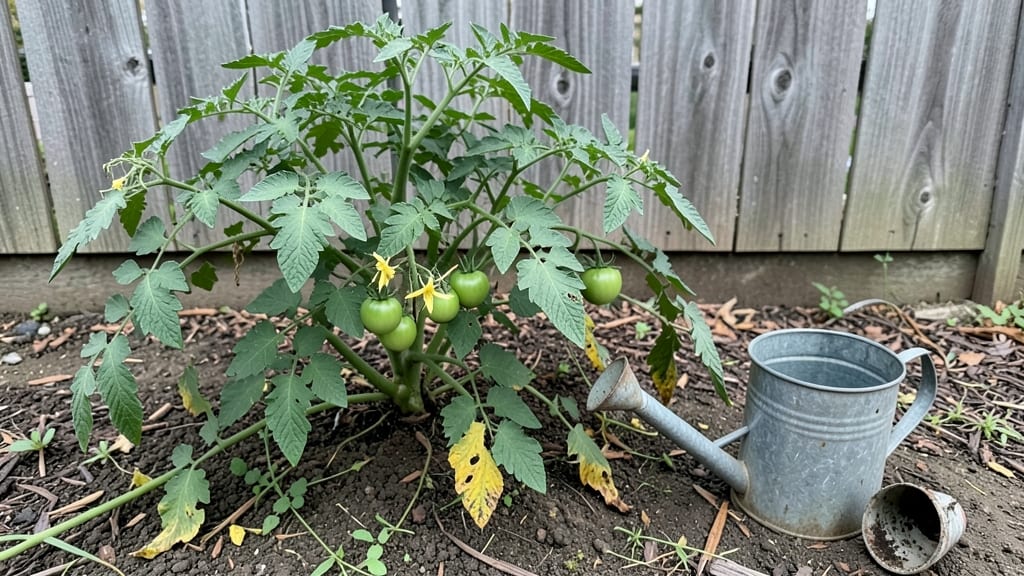
Understanding your garden’s thirst isn’t just about pouring water—it’s about matching moisture levels to what your plants actually absorb. 💧 For instance, succulents buried in sandy soil might only need a ¼ inch every 3-4 days, while leafy greens in clay-heavy ground could demand ½ inch daily to reach their roots.
Mulching can cut evaporation by up to 30%, meaning less frequent but deeper watering sessions work better for most gardens.
Don’t forget that morning watering is always superior—it reduces fungal risks and lets roots soak up moisture before the heat kicks in.
If you’re in a Zone 7-9, summer afternoons might require twice-daily checks, while winter might drop needs to ¼ inch weekly unless you’re growing cold-hardy crops like kale.
💡 In This Article
- Water Requirements by Plant Type and Soil Conditions
- Adjusting Watering by Climate Zone and Season
Water requirements by plant type and soil conditions
Here's what's actually happening beneath your garden's surface: roots extend to varying depths based on plant type, and their ability to access water depends on soil composition.
Vegetables like lettuce and spinach have shallow roots (6 inches) and need frequent, light watering (¼ inch daily) to keep the topsoil moist.
In contrast, deep-rooted crops such as tomatoes or carrots (roots up to 3 feet) benefit from 1-1½ inches weekly delivered in deeper sessions to reach their full extent. The key factor here is root zone saturation—water must penetrate to where roots actively grow.
Soil type dramatically alters how much water your garden truly absorbs. Sandy soils drain water like a sieve, requiring 2-3 watering sessions daily to maintain moisture, while clay holds onto water for days—sometimes too long, causing root suffocation.
Mulch changes the game: a 3-inch layer of straw or wood chips can reduce evaporation by up to 30%, meaning you might water 20-30% less overall. For example, a ¼ inch daily application in sandy soil might need to become ⅓ inch every other day when properly mulched.
This is where many gardeners go wrong—they water based on time rather than soil moisture. A simple test reveals the truth: stick your finger 2 inches deep into the soil. If it feels dry, it's time to water.
For flowers like petunias, this might mean ½ inch every other day, while shrubs like boxwoods can thrive on ¼ inch weekly once established.
The science behind this involves capillary action: fine soil particles hold water near roots, while coarse soils require deeper penetration to reach the same moisture levels.
Consider these key factors when planning your watering schedule:
- Vegetables: Most need ½ inch daily during fruiting (tomatoes, peppers) but can tolerate ¼ inch during germination
- Flowers: Annuals like marigolds require ¼ inch daily, while perennials often need ½ inch weekly
- Shrubs/Trees: Newly planted specimens need 1-2 inches weekly for the first year, while established trees might only need ¼ inch monthly
- Drought-Tolerant Plants: Succulents and lavender thrive on ¼ inch every 7-10 days once established
What most people don't realize is how mulch type affects water retention. Organic mulches like shredded leaves break down over time, improving soil structure, while inorganic mulches (gravel, rubber chips) only suppress weeds. The breakdown process of organic mulch can actually increase water-holding capacity by 10-15% over time.
This is why experienced gardeners often use a combination of both types—organic for long-term soil health and inorganic for immediate moisture conservation.
The most precise way to measure water needs is with a rain gauge, but even a simple tuna can works. Place it in your garden before watering—when it collects ¼ inch of water, you've met that plant's daily requirement.
For trees, calculate their water needs by measuring the diameter of their canopy. A 10-foot diameter tree typically needs 10 gallons weekly, delivered slowly to prevent runoff. This targeted approach ensures water reaches the root zone without waste.