
Size
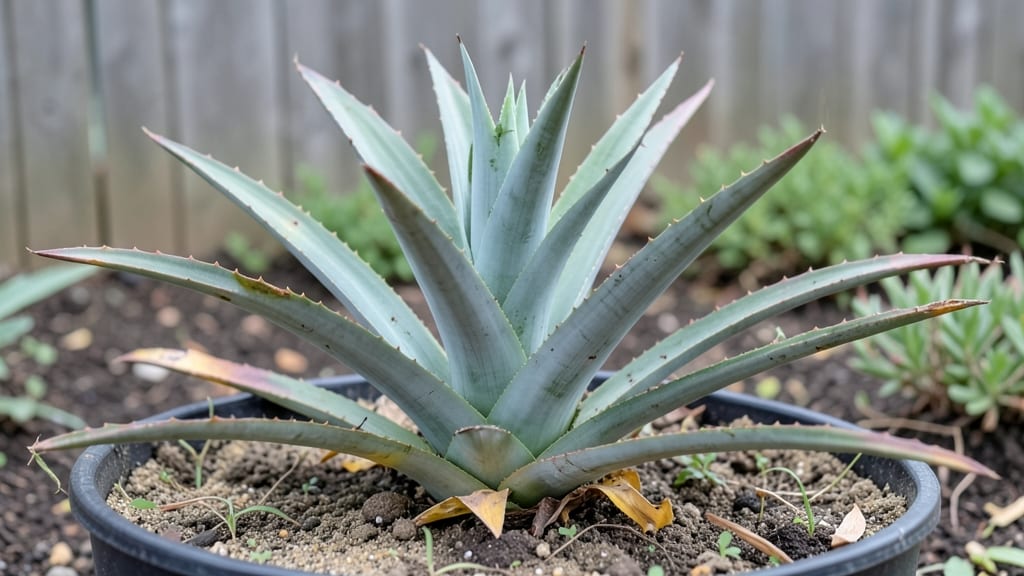
Learn how to get pineapple in grow a garden—it’s the ultimate patience test, but the sweet, juicy payoff makes every browned leaf and rotten surprise worth it. 🌿 homegrown pineapple, it’s worth it.
The key isn’t just soil or sun—it’s knowing when to push and when to wait, because these plants move at their own pace.
You’ll need a warm spot (zones 10-12 or a heated greenhouse), well-draining soil, and a crown that’s ready to root. Most people give up after the first year, but that’s when the real magic starts—those spiky leaves hide a fruit that takes 2-3 years to mature.
Container growing works for cooler climates, and even a sunny windowsill can work if you’re patient.
The payoff? A pineapple so sweet and fragrant it’ll make your neighbors question their life choices. You’ll know it’s ripe when the base turns golden and the scent fills the air—like a vacation in fruit form. Just don’t rush it; these plants know exactly when they’re ready.
Whether you’re in Florida or a basement with grow lights, the same rules apply: warmth, space, and time. Here’s how to set it up without losing your mind in the waiting game.
📚 In This Guide
- What you need
- Instructions
- Tips and common mistakes
- Wrapping up and next steps
What you need
- ● Pineapple Crown (Top) – 1 (fresh from a store-bought pineapple, cleaned and dried for 2–3 days)
- ● Well-Draining Potting Mix – 1 bag (look for a blend labeled for cactus/succulents or add perlite/sand for drainage)
- ● Pot or Container – 1 (6+ inches deep with drainage holes; terracotta works great)
- ○ Rooting Hormone (Optional but Helpful) – 1 small bottle (speeds up root growth)
- ● Spray Bottle – 1 (for misting leaves)
- ● Fertilizer (Balanced, 10-10-10 or Organic) – 1 small container (for flowering stage)
- ● Warm Climate or Indoor Grow Lights – Pineapples love heat (70–85°F / 21–29°C) and bright light (6+ hours daily).
- ● Patience (3–5 Years!) – Growing from a crown takes time, but the wait is worth it!
- ● Humidity Control – If indoors, use a humidity tray or mist leaves occasionally.
- ● 🌱 Skip the store-bought crown? Try pineapple seeds (if available) for a longer but rewarding challenge.
- ● 🔥 Boost growth: Add a slow-release fertilizer like worm castings for nutrient-rich soil.
- ● ✨ Outdoor gardeners? Plant in spring after the last frost in USDA Zones 10–12 (or grow in containers and bring inside in winter).
Step-by-Step instructions for growing pineapple from seed to fruit
Growing pineapple from seed is a rewarding challenge—here's how to coax fruit from those tiny seeds.
🌱 Step 1: Extract and Prepare the Seeds
Start by slicing open a ripe pineapple and scooping out the seeds from the core. Rinse them thoroughly under cool water to remove any pulp clinging to the surface. I like to spread them on a paper towel and let them air-dry for 24 hours—this prevents mold later.
Once dry, place the seeds in a small container with warm water for 12 hours. This softens the seed coat and speeds up germination. I know it seems counterintuitive, but soaking helps break dormancy. After soaking, drain the water and let the seeds sit in a damp paper towel for another 24 hours.
🪴 Step 2: Plant the Seeds in a Warm, Humid Environment
Fill a small 4-inch pot with a mix of 50% peat moss and 50% perlite—this keeps the soil light and well-draining, which pineapple seeds need. Plant the seeds ¼ inch deep, spacing them 1 inch apart. Cover the pot with plastic wrap to create a humid greenhouse effect.
Place the pot in a warm spot with indirect sunlight, like a south-facing windowsill with sheer curtains. Pineapple seeds germinate best at 75-85°F. You'll see tiny sprouts in 2-4 weeks, but don't be surprised if some seeds take longer—patience is key here.
☀️ Step 3: Transplant Seedlings and Provide Bright Light
Once the seedlings develop 2-3 true leaves (not just the first tiny cotyledons), it's time to transplant them into individual 6-inch pots. Use the same peat-perlite mix and plant each seedling 1 inch deep. Water gently after transplanting to settle the soil around the roots.
Move the seedlings to a spot with bright, indirect light—they need 6-8 hours of sunlight daily but can scorch in direct midday sun. If your home lacks bright light, supplement with a grow light positioned 6 inches above the plants. You'll notice the leaves turning a deeper green as they adapt.
🌿 Step 4: Care for Mature Plants and Encourage Flowering
As the plants grow, fertilize them every 4-6 weeks with a balanced liquid fertilizer diluted to half strength. Pineapple plants are heavy feeders but don't overdo it—too much fertilizer can burn the roots. Keep the soil consistently moist but never soggy; let the top 1 inch of soil dry out between waterings.
Here's the trick to get flowering: once the plant reaches 12-18 months old and has at least 6-8 leaves, reduce watering slightly for 2-3 weeks. This stress triggers flowering. You'll see a small spike emerge from the center—this is the flower stalk. Once it appears, resume normal watering and keep the plant in bright light.
⏰ Step 5: Harvest the Fruit and Prepare for Next Steps
Pineapple fruit takes 6-12 months to ripen after flowering. You'll know it's ready when the fruit turns golden-yellow and smells sweet. Gently twist the fruit from the base—it should come off easily. If it doesn't, leave it a few more days to ripen further.
Save the seeds from the harvested fruit to start new plants, or share them with fellow gardeners. Pineapple plants are slow to fruit from seed, so be prepared for a long wait—but the reward of growing your own tropical fruit makes it worth it.
Tips & tricks for perfect pineapple seedlings
These little-known strategies will help you turn those tiny pineapple seeds into thriving tropical plants.
Germination Hack: The 12-hour warm water soak in Step 1 is your secret weapon—it breaks the seed's natural dormancy faster than dry storage alone. I've found that using warm (not hot) water around 85°F creates the perfect environment. After soaking, place the damp paper towel in a sealed plastic bag to maintain humidity, which can speed up germination by 3-5 days.
Lighting Strategy: Pineapple seedlings need bright, indirect light for 6-8 hours daily in Step 3, but don't overlook the importance of gradual acclimation. If using artificial grow lights, start with 4 hours per day and increase by 1 hour every 3 days to prevent leaf burn. A south-facing window with sheer curtains works well for natural light adaptation.
Flowering Trigger: The 2-3 week water reduction in Step 4 is crucial—but timing matters. Once your plant reaches 12-18 months and has 6-8 leaves, reduce watering to about 50% of normal for those weeks. This stress signals the plant to flower. I've had success by moving the pot to a slightly cooler spot (around 70°F) during this period, which enhances the flowering response.
Harvesting Tip: When harvesting in Step 5, look for a golden-yellow color and that sweet pineapple aroma as your key indicators. The fruit should twist off easily—if it resists, it needs a few more days. A gentle tug should be enough; never force it. Once harvested, store whole pineapples at 50-55°F for up to 2 weeks to preserve freshness.
Pro Tips for Get Pineapple In Grow A Garden
- These little-known strategies will help you turn those tiny pineapple seeds into thriving tropical plants.
- Germination Hack: The 12-hour warm water soak in Step 1 is your secret weapon—it breaks the seed's natural dormancy faster than dry storage alone.
- Lighting Strategy: Pineapple seedlings need bright, indirect light for 6-8 hours daily in Step 3, but don't overlook the importance of gradual acclimation.
Frequently asked questions
Got questions about growing pineapples in your garden?
You’re not alone! Here are some of the most common queries—and their straightforward answers—to help you cultivate this tropical gem with confidence.
Can I grow a pineapple from a store-bought fruit?
The "crown" (leafy top) of a store-bought pineapple can root and grow into a new plant. Just remove the bottom leaves, let it dry for a day, and place it in moist soil. With patience (18–24 months), you’ll have a fruiting plant. Pro tip: Choose organic pineapples to avoid chemical residues that might hinder growth.
How long does it take for a pineapple plant to bear fruit?
Pineapple plants are slow but steady. From seed, it takes 3–5 years to fruit, while crowns from store-bought pineapples may fruit in 18–24 months under ideal conditions. Patience is key—think of it as a long-term tropical investment!
What’s the best climate for growing pineapples?
Pineapples thrive in warm, tropical climates (USDA Zones 10–12) with consistent temperatures above 60°F (15°C). If you’re in a cooler zone, grow them in containers and bring them indoors during winter. They hate frost—even a light freeze can kill the plant.
Why isn’t my pineapple plant flowering?
Pineapples need stress signals to flower. Try these fixes:
- Ethylene treatment: Place a ripe apple or banana near the plant (ethylene gas triggers blooming).
- Temperature drop: Cool nights (50–55°F/10–13°C) for 2–4 weeks can encourage flowering.
- Age: Plants under 2 years old won’t flower—be patient!
Can I grow pineapples in containers?
Yes! Pineapples adapt well to containers (minimum 5-gallon pot). Use well-draining soil, ensure the pot has drainage holes, and place it in full sun. Containers are ideal for cooler climates—just move them indoors when temperatures dip below 50°F (10°C). Bonus: Rotate the pot occasionally for even growth!
Wrapping up and next steps
Growing pineapple in your garden is a rewarding journey that blends patience, care, and a touch of tropical flair! 🌱 From selecting the right variety to nurturing your plant through every stage, you’ve now got the tools to turn your backyard into a mini tropical paradise.
The key is consistency—whether it’s watering, fertilizing, or protecting your plant from pests—and soon, you’ll be harvesting sweet, juicy pineapples straight from your own soil.
Ready to take the next step? Start small with just one plant, experiment with different growing methods, and don’t forget to share your progress with fellow gardeners. Every slice of homegrown pineapple will taste like success—so roll up your sleeves and enjoy the sweet rewards of your hard work! 🍍✨