
Size
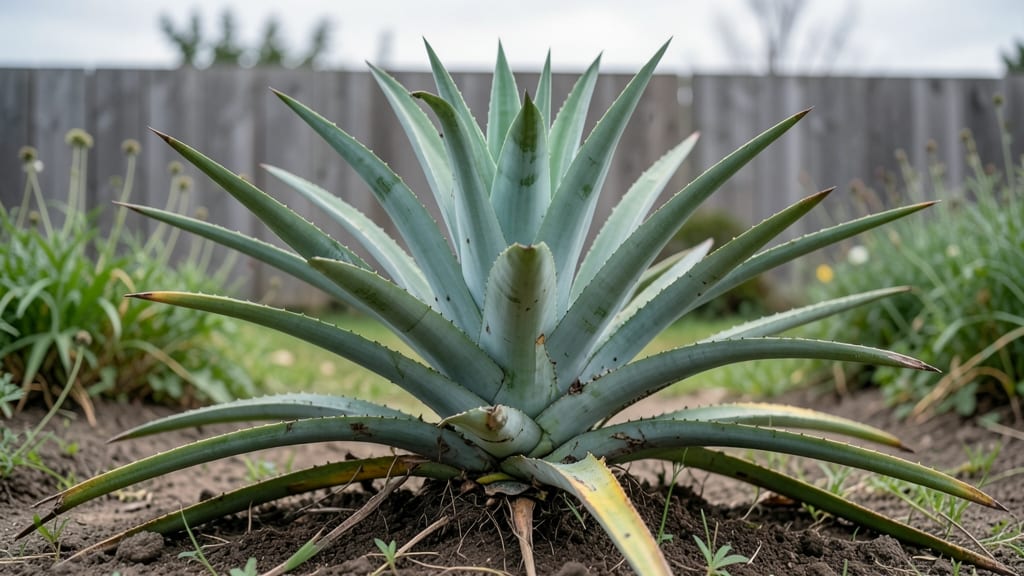
Growing a pineapple plant in your garden delivers that sweet, tropical harvest you never knew you could have at home. 🌱 I tried it last summer after seeing a friend’s plant produce fruit, and now I’ve got three thriving plants—one even flowering—without needing a greenhouse.
The secret lies in mimicking their native conditions with just a few key adjustments.
You’ll need a well-draining mix of potting soil and perlite, a container with drainage holes (or a sunny spot in the ground), and a spot that gets at least 6-8 hours of direct sunlight daily.
Watering is the trickiest part—too much and the roots rot, too little and the plant dries out. I’ve found a once-a-week soak works best during warm months, then tapering off in winter. Fertilizing lightly every month with a balanced formula keeps them happy without overfeeding.
By late summer, you might see those iconic pineapple flowers appear, and with patience, a real fruit will develop in about 12-18 months. The plants themselves stay compact, making them perfect for patios, balconies, or even sunny windowsills.
Even if you never get fruit, the spiky, exotic foliage adds instant tropical flair to any garden corner.
Works in zones 10-12 year-round, but in cooler climates, treat them as houseplants in winter. Here’s how to keep them thriving through every season without the guesswork.
📚 In This Guide
- What you need
- Instructions
- Tips and common mistakes
- Wrapping up and next steps
What you need
- ● Pineapple plant or crown: 1 healthy pineapple crown (from a store-bought pineapple or a nursery)
- ● Pro tip: Choose a crown with a few leaves still attached and a small root base.
- ● Container: 1 large pot (at least 12–18 inches in diameter) with drainage holes
- ○ Optional: A shallow tray or saucer to catch excess water.
- ● Potting mix: 1 bag of well-draining cactus or succulent mix (or a blend of 50% potting soil + 50% perlite/sand)
- ○ Rooting hormone (optional but helpful): 1 small bottle (to encourage faster root growth).
- ● Watering can or spray bottle: For gentle hydration without overwatering.
- ● Scissors or knife: For trimming the pineapple crown base cleanly.
- ● Fertilizer (balanced or citrus-specific): 1 bottle of liquid fertilizer (diluted to half-strength for young plants).
- ● Gravel or pebbles for decorative drainage at the bottom of the pot.
- ● Slow-release fertilizer pellets for convenience.
- ● A sunny spot (6+ hours of direct sunlight daily) or a grow light for indoor setups.
- ● Mulch (like pine bark) to retain moisture and regulate temperature.
- ● Pineapple-specific care guides or a journal to track growth progress! 📖✨
Step-by-Step instructions for growing pineapple plants in containers
Here's how I grow vibrant pineapple plants that thrive in pots and reward you with sweet fruit.
🌱 Step 1: Select and Prepare the Pineapple Top
Start with a fresh, ripe pineapple from the grocery store. I cut off the very top 1-2 inches of the crown, making sure to include the leafy green portion. Remove any remaining fruit flesh—this prevents rot. Let the top dry in a warm, shaded spot for 2-3 days until the cut surface hardens slightly. This drying step is critical; it helps prevent disease once planted.
Once dry, trim the leaves down to about 1 inch from the base. You want to expose the stem but keep a few healthy leaves intact. This encourages root growth while reducing water loss. Here's the thing—don't rush this step. A well-dried crown roots faster and stronger.
🪴 Step 2: Choose the Right Container and Soil Mix
Use a 5-6 inch diameter pot with drainage holes—pineapple plants hate soggy roots. I fill the bottom 1 inch with small pebbles or perlite to improve drainage. Then, add a mix of 50% potting soil and 50% coarse sand or perlite for extra aeration. Pineapple plants need soil that drains quickly but still holds enough moisture to support root growth.
Make a small hole in the center of the soil with your finger, just deep enough to bury the base of the pineapple top. Gently press the dried crown into the hole until it stands upright. The leaves should remain above the soil line. This ensures the stem stays stable while roots develop below.
💧 Step 3: Water and Provide Warmth for Root Establishment
Water the pineapple top thoroughly until water drains from the bottom of the pot. After that, let it sit in a saucer of water for about 10 minutes to encourage root growth. From now on, water only when the top 1-2 inches of soil feel dry. Overwatering is the fastest way to kill a pineapple plant—it’s far better to underwater slightly.
Place the pot in a warm, bright spot with indirect light, like a sunny windowsill. Pineapple plants thrive in temperatures between 60-90°F. If your home runs cooler, consider using a heat mat to keep the soil warm. Roots take 4-6 weeks to establish—you’ll know it’s working when you see new leaves emerging from the base.
☀️ Step 4: Gradually Increase Sunlight and Fertilize
After 2-3 weeks, when the pineapple top shows signs of new growth, gradually introduce more sunlight. Start with 2-3 hours of morning sun daily, then increase by 1 hour every few days until it gets 6+ hours of direct sunlight. Too much sun too soon causes leaf burn, which looks like crispy, brown edges.
Once roots are established (around 6-8 weeks4-6 weeks during the growing season. I use a 10-10-10 formula to keep it simple. Fertilizing encourages stronger growth and, eventually, fruit production. Watch for yellowing leaves—this usually means it’s time to fertilize again.
⏰ Step 5: Monitor Growth and Prepare for Flowering
Pineapple plants grow slowly but steadily. Over time, the base will thicken, and the leaves will turn a deeper green. After 1-2 years, your plant may produce a long, spiky flower stalk. This is your reward for patience! If you live in a cooler climate, you might need to bring the plant indoors during winter to protect it from frost.
Here’s the key: once the flower stalk appears, it’s a sign your plant is mature enough for fruit. Keep the soil consistently moist but not soggy, and avoid fertilizing during this phase. The fruit will take 6-8 months to ripen, so be patient. You’ll know it’s ready when the base turns golden yellow and the leaves start to dry out.
Tips & tricks for perfect pineapple plant growth in containers
Here's what I've learned from growing pineapple plants that actually produce fruit—no guesswork involved.
Drying is Non-Negotiable: In Step 1, those 2-3 days of drying might feel like forever, but trust me on this. The cut surface needs to form a callus to prevent rot. I've tried planting fresh crowns, and they always turned mushy within days. Place the crown on a paper towel in a warm, dry spot—just out of direct sunlight—to speed up the process safely.
Soil Mix Matters: The 50% potting soil/50% sand or perlite mix in Step 2 is crucial for preventing root rot. If you don't have perlite, coarse builder's sand works just as well. The key is creating that airy environment—pineapple roots need oxygen as much as they need water. I've seen people use regular garden soil, and their plants never thrived.
Sunlight Gradual Increase: When you're ready to move from indirect light to direct sun in Step 4, start slow. Those 2-3 hours of morning sun should be gentle—think dappled shade rather than harsh midday rays. I've watched pineapple leaves get crispy brown edges when moved too quickly. If you notice this happening, move the plant back to indirect light for a few days before trying again.
Fertilizer Timing: The 4-6 week fertilization schedule in Step 4 works because it mimics natural growing conditions. When you see those yellowing leaves, that's your plant's way of saying "feed me!" But here's the thing: once the flower stalk appears, stop fertilizing. The plant needs to focus all its energy on fruit development, not new growth. I've seen people keep fertilizing during flowering, and their fruit never ripened properly.
Pro Tips for Pineapple Plant Grow A Garden
- Here's what I've learned from growing pineapple plants that actually produce fruit—no guesswork involved.
- Drying is Non-Negotiable: In Step 1, those 2-3 days of drying might feel like forever, but trust me on this.
- Soil Mix Matters: The 50% potting soil/50% sand or perlite mix in Step 2 is crucial for preventing root rot.
Frequently asked questions
Got questions about growing your own pineapple plant? You're not alone! Here are answers to the most common queries to help you cultivate a thriving tropical harvest in containers.
How long does it take for a pineapple plant to produce fruit?
A pineapple plant typically takes 18–24 months to produce fruit from the time you plant the crown or slips. Patience is key—focus on nurturing healthy foliage first, and you’ll be rewarded with a sweet harvest!
Can pineapple plants survive cold weather?
Pineapple plants are tropical and thrive in warmth (70–85°F). They’ll suffer if temperatures drop below 50°F. If you live in a colder climate, grow them in containers and bring them indoors or to a greenhouse during winter. A sunny windowsill or grow light can work wonders!
What’s the best way to propagate a pineapple plant?
Use the crown (top) or slips (side shoots) from a store-bought pineapple. Soak the base in water for 24 hours, let it dry slightly, then plant in well-draining soil. Keep it moist (not soggy) and place it in bright, indirect light. Roots should form in 2–4 weeks!
Why are my pineapple plant’s leaves turning yellow or brown?
Yellowing leaves often signal overwatering or root rot, while brown tips can mean underwatering or fluoride buildup (common in tap water). Adjust your watering schedule, use filtered or rainwater, and ensure pots have drainage holes. Trim damaged leaves to encourage new growth!
Can I grow pineapple in a small container, or do I need a big pot?
Pineapple plants adapt well to containers as small as 1–2 gallons, but they’ll grow faster in larger pots (up to 5 gallons). Just ensure the container has drainage holes and use a light, airy potting mix. Dwarf varieties like ‘Sugarloaf’ are ideal for tight spaces!
Wrapping up and next steps
Growing a pineapple plant in your garden—or even a cozy container—is a rewarding adventure that brings a taste of the tropics right to your doorstep! 🌿 With the right sunlight, soil, and patience, you’ll soon enjoy sweet, homegrown pineapples that taste even better than store-bought.
Whether you’re a seasoned gardener or a beginner, this tropical delight is well within reach.
Ready to take the next step? Start small—plant that first pineapple top or seedling today—and watch your garden transform into a mini paradise. Happy growing! 🌱