
Planting
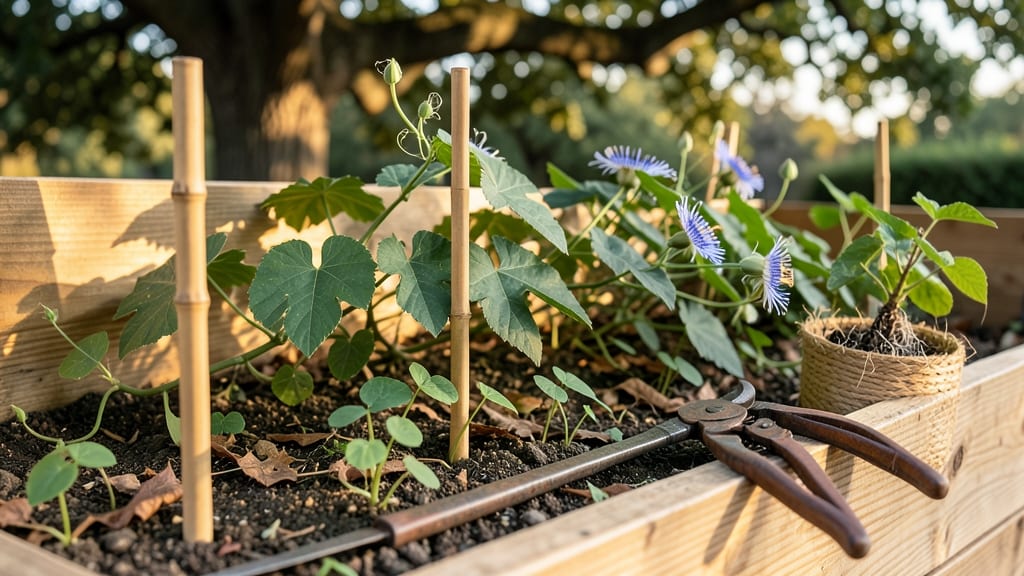
Planting a traditional 3 Sisters garden—corn, beans, and squash—transforms a simple plot into a self-sustaining ecosystem that feeds the soil and your table. 🌱 I first tried this method after watching my corn struggle with poor soil, and within one season, the beans fixed the nitrogen, the squash smothered weeds, and the corn towered over my neighbor’s. This isn’t just gardening; it’s a living partnership that works harder than any single crop could alone.
The beauty of the 3 Sisters lies in its simplicity: you’ll need three plants, a sunny spot, and a little patience. Start with heirloom varieties—like Hopi Blue corn, Pole beans, and Waltham Butternut squash—for the best results.
The corn provides trellis for the beans, the beans feed the soil, and the squash shades the roots, keeping moisture locked in. Even in small spaces, this method thrives, proving that traditional wisdom still outsmarts modern shortcuts.
By midsummer, you’ll harvest sweet corn, tender beans, and plump squash—all from the same patch of earth. The soil stays rich, pests stay away, and the garden becomes a self-replenishing cycle. No fancy tools or expensive amendments needed; just three plants working together the way nature intended.
This method works in any climate with at least 90 days of growing season, from urban balconies to rural fields. Whether you’re reviving Indigenous traditions or just craving a low-maintenance harvest, the 3 Sisters deliver—year after year, with less effort and more reward.
📚 In This Guide
- What you need
- Instructions
- Tips and common mistakes
- Wrapping up and next steps
What you need
- ● Seeds: Corn seeds (heirloom varieties like Black Aztec or Flint—4–6 plants, spaced 12–18" apart)
- ● Pole bean seeds (e.g., Scarlet Runner or Lacinto—1–2 lbs, ~3 seeds per corn stalk)
- ● Squash seeds (e.g., Butternut or Winter Crookneck—2–3 plants, spaced 3–4' apart)
- ● Soil: Well-draining, fertile soil (amend with 2–3 inches of compost before planting)
- ● Tools: Garden trowel or transplanting knife
- ● Garden fork (for loosening soil)
- ● Watering can or hose with a gentle spray nozzle
- ● Measuring tape or ruler (for spacing)
- ○ Support: Small stakes or trellis (optional for beans if growing vertically)
- ● Mulch (straw or leaves to retain moisture and suppress weeds)
- ● Organic fertilizer (e.g., fish emulsion or compost tea for a boost)
- ● Row cover or shade cloth (if planting early or in hot climates)
- ● Journal or markers (to track planting dates and varieties)
- ● Knee pads or a small stool (for comfort during planting)
Step-by-Step instructions for planting a 3 Sisters garden
This traditional Native American method combines corn, beans, and squash for a self-sustaining, pest-resistant garden.
🌱 Step 1: Choose and Prepare the Planting Site
Select a sunny, well-drained spot with at least 6 hours of direct sunlight daily. The 3 Sisters thrive together, but they need space—each mound should be 3-4 feet apart to allow squash vines to spread. I always test the soil first by squeezing a handful: if it crumbles easily, it's ready. If it sticks together, amend with 2 inches of compost and let it sit for a week to integrate.
Real talk: Avoid low-lying areas where water pools. Squash roots rot easily, and you don’t want your entire harvest at risk. If your soil is heavy clay, mix in 1 part perlite to 3 parts soil to improve drainage. This ensures roots get the air they need without drowning.
🪴 Step 2: Build the Planting Mounds
Create 12-inch tall mounds using the soil from your garden bed—no need for extra materials. Space them 3-4 feet apart in a triangle formation. Each mound should be 18-24 inches wide at the base. The elevated soil warms faster in spring, giving corn a head start.
Here’s the thing—don’t compact the mounds. Loosen the soil with your hands or a fork so roots can penetrate easily. The center of each mound will hold the corn, with beans climbing the stalks and squash spreading around the base. This setup mimics natural forest clearings where these plants originally grew together.
🌿 Step 3: Plant Corn as the Foundation
Sow 4-5 corn seeds per mound, planting them 1 inch deep and 2 inches apart in a small circle. Corn’s deep roots anchor the structure, and its stalks provide trellises for beans. I like to plant early-maturing varieties (like ‘Purple Dent’ or ‘Golden Bantam’) so the beans and squash have time to establish before the corn senesces.
Water gently after planting to settle the soil around the seeds. Avoid overwatering—corn seeds need moisture to germinate, but soggy soil invites fungal diseases. Once the corn reaches 6 inches tall, thin to the strongest 2-3 stalks per mound. Weak stalks compete for nutrients and leave less support for beans.
✂️ Step 4: Add Beans to Climb and Squash to Spread
When corn is 8-12 inches tall, plant 4-5 bean seeds (like pole beans or ‘Scarlet Runner’) around the base of each stalk, pressing them ½ inch deep into the soil. Beans fix nitrogen in the air, fertilizing the soil naturally for the corn and squash. This is where the magic happens—the beans grow up the corn, while their roots feed the entire system.
Around the same time, plant 1-2 squash seeds (like ‘Waltham Butternut’ or ‘Blue Hubbard’) 1 inch deep on the outer edges of the mound. Squash leaves shade the soil, reducing weeds and retaining moisture. Space squash plants 3-4 feet apart so their sprawling vines don’t compete with the corn for sunlight.
💧 Step 5: Maintain Water and Monitor Growth
Water deeply 2-3 times per week, aiming for 1 inch of water per week. The mounds help with moisture retention, but squash vines can spread widely, so mulch around the base with straw or leaves to keep soil cool and reduce evaporation. I check moisture by sticking my finger 1 inch into the soil—if it’s dry, it’s time to water.
Watch for pests like corn earworms or squash bugs. The 3 Sisters’ companionship deters many insects, but I still handpick pests early in the season. If you see holes in corn leaves or chewed squash vines, act fast—these plants grow quickly, and damage adds up. A spray of neem oil (if allowed in your area) can help without harming the ecosystem.
Tips & tricks for planting a thriving 3 Sisters garden
These insights will help you maximize your garden's potential while avoiding common pitfalls that can derail even the most well-intentioned planters.
Soil Preparation Secret: The 2 inches of compost recommendation in Step 1 is non-negotiable for nutrient-rich soil, but here's what nobody tells you: mix in a handful of wood ash (from untreated wood) when amending heavy clay soil. This raises pH slightly and provides potassium that corn loves. Just avoid overdoing it—too much ash can make soil too alkaline. I've seen gardens go from struggling to thriving with this simple addition after just one season.
Mound Construction Technique: When building your 12-inch tall mounds in Step 2, create a slight depression in the center before planting corn. This creates a natural water catchment that keeps seeds moist during germination. The depression should be about 1 inch deep—just enough to hold water without creating a swamp. This little trick has saved me from replanting corn multiple times when spring rains were inconsistent.
Planting Timing Strategy: The 8-12 inch corn height guideline in Step 4 is perfect, but here's the real secret: wait until corn has at least 6 true leaves before planting beans. This ensures the corn has established strong roots to support the climbing beans. I've watched gardens where beans were planted too early struggle with weak corn stalks that couldn't support the bean vines properly. Patience here pays off with stronger plants and better yields.
Pest Prevention Proactive: While the instructions mention handpicking pests, here's what I do differently: plant a ring of marigolds around the perimeter of your garden before planting the 3 Sisters. The strong scent repels many pests while attracting beneficial insects. I also sprinkle crushed eggshells around the base of each mound—the sharp edges deter slugs and cutworms. This extra layer of protection means I spend less time battling pests and more time enjoying the garden's growth.
Pro Tips for Plant A 3 Sisters Garden
- These insights will help you maximize your garden's potential while avoiding common pitfalls that can derail even the most well-intentioned planters.
- This raises pH slightly and provides potassium that corn loves.
- Mound Construction Technique: When building your 12-inch tall mounds in Step 2, create a slight depression in the center before planting corn.
Frequently asked questions
Got questions about planting your own Three Sisters garden? We’ve got answers! Here are some of the most common concerns—plus tips to help you grow with confidence.
What if I don’t have a traditional Native American plot size?
No worries! The Three Sisters method works in containers, raised beds, or even small backyard patches. Start with just 3–5 plants of each sister (corn, beans, squash) in a 3x3-foot space. The key is proximity, not scale—just mimic their natural support system.
Can I plant the Three Sisters in spring or fall?
Spring is ideal for most climates (after the last frost when soil is warm). Fall planting is tricky—squash and beans may not mature before cold sets in. If you’re in a short-season zone, opt for fast-maturing varieties (like bush beans or summer squash) and plant by early July for a late harvest.
How do I keep pests away without chemicals?
Squash bugs and corn earworms are common foes, but the Three Sisters trio deters many pests naturally. Try these tricks:
- Interplant with marigolds or nasturtiums for extra pest control.
- Use row covers early in the season to block pests.
- Handpick pests (yes, it’s gross but effective!) or spray with neem oil.
What if I can’t grow corn—are there alternatives?
Swap corn for:
- Sunflowers (tall stalks support beans).
- Pole beans alone (plant with squash for shade).
- Sweet potatoes (their vines smother weeds like squash).
Why are my corn stalks falling over?
Floppy corn is usually a sign of overcrowding or poor soil. Space stalks 8–12 inches apart and ensure rich, well-draining soil. If it’s too late, stake or cage the plants for support. A lack of nitrogen (from beans) can also weaken stalks—side-dress with compost if needed.
Pro Tip:
Need a quick reference? Bookmark this printable Three Sisters planting guide for spacing, timelines, and troubleshooting—straight from Native gardening wisdom!
Wrapping up and next steps
Planting a 3 Sisters Garden isn’t just about growing food—it’s about honoring tradition, sustainability, and nature’s balance. By combining corn, beans, and squash, you create a thriving ecosystem that supports pollinators, enriches the soil, and yields a nutrient-packed harvest 🌱💚.
Whether you’re a beginner or a seasoned gardener, this method proves that teamwork—even in plants—pays off big time!
Ready to dig in? Start small this season—even a 4’x4’ patch can produce enough to share with neighbors or preserve for winter. Next up: Track your garden’s progress, experiment with varieties, and watch as your 3 Sisters thrive year after year. Happy planting! 🌿✨