
How To
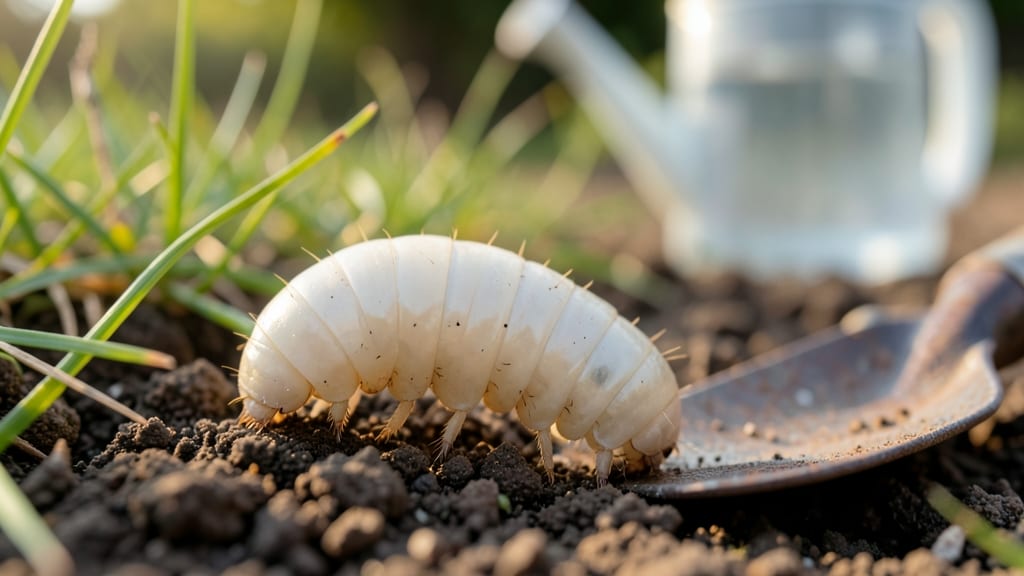
Removing grubs from your garden starts with spotting the sneaky signs—those brown, patchy lawns or plants that wilt like they’ve had one too many late nights. 🌱 I learned the hard way when my roses nearly died from Japanese beetle larvae munching on their roots.
The good news? You don’t need harsh chemicals to kick them out for good.
Grubs thrive in moist, fertile soil, turning your garden into their all-you-can-eat buffet. The damage isn’t just unsightly—it weakens plants, making them vulnerable to disease. But here’s the thing: organic solutions work, and they’re safer for your family, pets, and the critters that actually help your garden (like earthworms).
In just three simple steps, you can evict these pests without poison: handpick them (yes, really), use beneficial nematodes to outsmart them, or dust your soil with diatomaceous earth. No fancy gear, no waiting weeks—just fast, effective action that keeps your garden thriving.
Once you’ve banished the grubs, we’ll talk about keeping them away for good—healthy soil, smart planting, and a few sneaky tricks that make your garden less inviting to future invaders. Let’s get those roots back to growing strong!
The Hidden Triggers Behind Grubs
Grubs—those squirming, C-shaped larvae of beetles—don’t just appear in your garden out of nowhere. They’re the result of a perfect storm of environmental conditions, beetle behavior, and even your own gardening habits.
Understanding why these pests take up residence in your soil is the first step to stopping them before they devour your plants. Let’s dig into the science behind their invasion.
Grubs start life as eggs laid by adult beetles, most commonly Japanese beetles, June bugs, or European chafer beetles. These insects are attracted to your garden for one reason: your plants.
- Female beetles seek out nutrient-rich soil (especially lawns with thick grass or compost-heavy garden beds) to deposit their eggs, typically 1–2 inches deep.
- Timing matters: Eggs hatch in 7–14 days during warm, moist conditions—often aligning with late spring or early summer.
- Grubs emerge as tiny, worm-like larvae, immediately beginning their feast on roots.
💡 Pro Tip: If you’ve noticed adult beetles chewing leaves in June or July, eggs are likely already buried in your soil—meaning grubs could be hatching soon.
Grubs thrive in soil that mimics their natural habitat: soft, moist, and packed with organic matter. Here’s why your garden might be a grub buffet:
| Soil Condition | Why Grubs Love It | How to Fix It |
|---|---|---|
| Overwatered lawns | Excess moisture keeps soil soft, making it easy for grubs to burrow and feed. | Adjust irrigation to 1–1.5 inches per week; improve drainage. |
| Compost-heavy beds | High organic content = more microbial activity = more food for grubs. | Balance compost with sand or perlite to reduce organic density. |
| Compacted soil | Grubs can’t escape predators (like birds) and roots can’t compete for space. | Aerate soil in fall or spring to loosen compaction. |
| Thatch buildup | A thick thatch layer traps moisture and organic debris—grub paradise. | Dethatch lawns in early spring to expose soil. |
🌡️ Key Insight: Grubs avoid dry, sandy, or rocky soil—they prefer the "squishy" texture of loamy, well-drained dirt.
Certain plants attract adult beetles, which then lay eggs in your soil. If your garden is a favorite spot for these pests, grubs will follow:
- Japanese beetles are drawn to:
- Roses
- Grapevines
- Raspberries
- Lindens
- Any lush, flowering plant (they love nectar).
- June bugs prefer:
- Grass lawns (they feed on grass blades at night).
- Vegetable gardens (especially corn, beans, and potatoes).
- European chafer beetles target:
- Turfgrass (they skeletonize blades).
- Strawberries and other low-growing crops.
🎯 Actionable Fix: Reduce beetle traffic by:
- Planting grub-repellent flowers like marigolds, catnip, or geraniums near vulnerable plants.
- Using row covers over vegetable gardens to block adult beetles.
- Mowing high (3–4 inches) to discourage June bugs from laying eggs in lawns.
Grubs are cold-blooded—their activity ramps up when temperatures rise. Here’s how climate plays a role:
- Ideal hatching temps: 70–85°F (eggs won’t hatch below 50°F).
- Moisture triggers: Grubs need consistent dampness to survive; drought stress weakens them.
- Overwintering: In cooler climates, grubs burrow deeper (up to 8 inches) to survive winter, then resurface in spring.
🔥 Warning Sign: If your area has had a warm, wet spring, expect a grub explosion—eggs hatch faster, and larvae grow aggressively.
Grubs don’t just show up once—they cycle year after year if conditions remain favorable. Here’s how history repeats itself:
- Lawns with grubs one year often see worse infestations the next, as surviving grubs pupate into adult beetles.
- Vegetable gardens left untreated may become grub hotspots if beetles return annually.
- Compost or mulch from infested areas can spread grub eggs to new garden beds.
✨ Break the Cycle: Rotate crops, avoid over-fertilizing, and inspect soil in early summer to catch grubs before they multiply.
Quick Fixes for Grub-Infested Gardens
Grubs—those tiny, worm-like larvae of beetles—can wreak havoc on your garden if left unchecked. But the good news? You don’t need harsh chemicals to tackle them.
Below, we’ll break down practical, organic solutions tailored to the root cause of your grub problem, plus prevention tips to keep them away for good.
Grubs thrive in moist, compacted soil, so if your garden stays soggy, they’ll multiply like crazy. Here’s how to dry it out and disrupt their habitat:
- 🔥 Improve Drainage
- Test your soil’s moisture by digging a small hole (6 inches deep). If water pools, your soil drains poorly.
- Amend with coarse sand, perlite, or compost to loosen it up. Aim for well-draining soil—grubs hate it!
- ⏰ Reduce Watering Frequency
- Water deeply 2–3 times per week (early morning) instead of daily light sprinkles.
- Use a soaker hose to deliver water directly to roots, avoiding oversaturation.
- 👨🍳 Add Beneficial Microbes
- Sprinkle mycorrhizal fungi or compost tea to boost soil health—grubs prefer weak, nutrient-poor soil.
💡 Pro Tip: Mulch with straw or wood chips (not thick layers) to retain some moisture while still allowing airflow.
If your grass or plants feel soft underfoot (a classic sign of grubs), it’s time to starve them out and encourage natural predators.
- 🔪 Handpick & Dispose
- Best time: Early morning or after rain (grubs are near the surface).
- Use a trowel or garden fork to flip over sod—grubs will be visible as white, C-shaped larvae.
- Drop them in soapy water (not back in the soil!) to kill them instantly.
- 🥘 Introduce Grub-Eating Predators
- Birds (like robins & starlings): Install a bird feeder or birdhouse to attract them.
- Ground beetles & parasitic wasps: Plant dill, fennel, or marigolds to lure them in.
- Chickens or ducks: If you have poultry, let them free-range in the garden—they’ll gobble grubs up!
- 🌡️ Solarize the Soil (For Severe Cases)
- Cover the infested area with clear plastic sheeting for 4–6 weeks in hot sun.
- The trapped heat cooks grubs alive (works best in summer).
If grubs are munching on roots, your plants may collapse overnight. Here’s how to rescue them and protect future growth:
- 🔥 Replace Damaged Soil
- Dig up severely infested patches (12" deep) and replace with fresh, grub-free compost.
- Mix in beneficial nematodes (Heterorhabditis bacteriophora)—tiny microscopic worms that eat grubs alive.
- 🍎 Use Organic Repellents
- Neem oil spray: Disrupts grubs’ feeding and growth. Spray roots and soil weekly.
- Diatomaceous earth (food-grade): Sprinkle lightly around plants—it dehydrates grubs on contact.
- Coffee grounds: Sprinkle around plants—they repel grubs while adding nitrogen.
- 🎯 Rotate Crops & Plant Resistant Species
- Grubs love grasses, corn, and potatoes. Plant marigolds, basil, or garlic nearby—they deter beetles (grubs’ parents).
- Avoid planting the same crops in the same spot year after year.
Once you’ve kicked them out, lock them out for good with these long-term strategies:
| Problem | Solution | How to Do It |
|---|---|---|
| Japanese beetles | Trap & remove adults | Use beetle traps (place far from garden) or handpick beetles into soapy water. |
| Compacted soil | Aerate & till | Rent a core aerator or use a garden fork to break up soil. |
| Overwatering | Adjust irrigation | Switch to drip irrigation or water only when top 1" of soil is dry. |
| Weak plants | Boost soil health | Add worm castings or compost to make soil less appealing. |
| Lack of predators | Create a predator-friendly garden | Plant native wildflowers and avoid pesticides to keep birds & beetles around. |
✨ Bonus Tip: Plant deep-rooted cover crops like clover or rye in fall—they crowd out grubs and improve soil structure.
Final Thought: Grubs are a nuisance, but with consistent organic methods, you can eliminate them without chemicals—and even prevent future infestations. Start with drainage fixes, handpicking, and natural predators, then lock them out for good! 🚀
Frequently asked questions
How do I know if my garden has grubs and not just regular soil pests?
Look for brown patches in lawns or wilting plants with healthy-looking leaves—this is a classic grub sign. Dig up a small section of soil (about 2–3 inches deep) and check for white, C-shaped larvae. If you find them, that’s your culprit! Grubs also leave behind irregular holes in grass roots when they feed.
Are grubs harmful to humans or pets?
No, grubs themselves aren’t dangerous to touch or eat—but they can carry bacteria from the soil. Wash hands after handling them, and never let pets eat them raw. The real risk is what they do to your garden: weakened plants, dead grass patches, and a weakened root system that makes plants vulnerable to disease.
Can I use vinegar or bleach to kill grubs?
Vinegar can help dry out grubs when applied directly to exposed larvae, but it won’t penetrate deep into soil. Bleach is a no-go—it’s toxic to plants, pets, and beneficial soil organisms. Instead, try food-grade diatomaceous earth or neem oil, which are safer and just as effective for dehydrating or repelling grubs.
How long does it take for nematodes to work against grubs?
Beneficial nematodes (Heterorhabditis bacteriophora) typically take 7–14 days to find and kill grubs, depending on soil moisture and temperature. Apply them in the evening when soil is damp (not soggy) for best results. Reapply every 4–6 weeks during grub season to maintain control, especially after heavy rains.
Will chickens or ducks really eat grubs?
Chickens and ducks are grub vacuum cleaners. Let them free-range in your garden for 30–60 minutes daily—they’ll scratch up the soil, exposing grubs to their beaks. For best results, avoid overfeeding them before letting them forage, so they’re hungry enough to hunt. Just supervise to prevent them from digging up your plants too!