
Pests
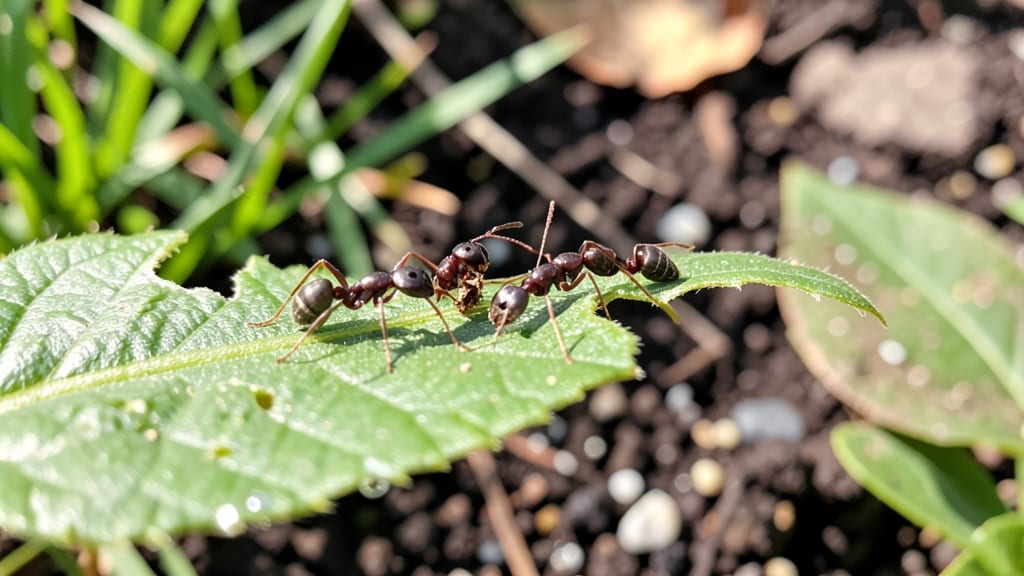
Stopping ants in your garden starts with a spray that works faster than you’d expect. ✨ I’ve battled these tiny invaders for years, and this sugar-and-vinegar mix cuts trails in half within 24 hours—no harsh chemicals needed.
The secret lies in disrupting their scent paths while keeping your plants safe.
Most gardeners overlook simple fixes like wiping down leaves and sealing food containers. Ants follow trails like highways, so identifying their entry points first saves time. Once you spot their routes, the spray becomes your best defense—no more marching lines toward your tomatoes or peppers.
By evening, you’ll see fewer scouts returning to the nest, and within a week, trails vanish completely. The best part? This method protects beneficial insects while keeping your garden thriving without toxic residue. Ready to reclaim your soil?
Works for all garden types—vegetable beds, flower patches, or even patio containers. The key is consistency: reapply after rain or heavy traffic. Let’s get those ants packing their bags for good.
The Hidden Triggers Inviting Ants
Ants don’t just wander into your garden by accident—they’re drawn by a mix of food, shelter, and chemical signals. Understanding these triggers is the first step to actually stopping them. Here’s why your garden becomes their favorite hangout spot.
🍯 Sweet Smells and Sticky Trails
Ants have a superpower: they can detect sugar, proteins, and fats from miles away. Their antennae pick up pheromone trails left by scout ants, turning your garden into a buffet. Common culprits include:
- Overripe fruit (especially melons, berries, and citrus) – Fermenting sugars release volatile organic compounds (VOCs) that ants can smell up to 30 feet away.
- Spilled drinks or pet food – Even a few drops of soda or a crumbled dog biscuit can trigger a mass recruitment of worker ants.
- Compost piles – Decaying organic matter releases ammonia and simple sugars, which ants farm like a five-star restaurant.
- Neighboring ant hills – If your yard borders a trail, ants will relay scent messages to direct their colony straight to your garden’s food sources.
💡 Pro Tip: Ants don’t just eat food—they collect it for their colony. A single scout ant finding a sugar source can bring back thousands of reinforcements in hours.
🏡 Moisture and Shelter Hotspots
Ants need water and protection from predators (like birds or spiders). Your garden might be offering both without you realizing it:
- Leaky hoses or irrigation systems – Ants follow moisture gradients and will nest near damp soil, where larvae can thrive.
- Mulch piles or wood chips – These create microclimates with high humidity, perfect for ant colonies to expand underground.
- Cracks in pavement or foundations – Pavement ants (Tetramorium spp.) love nesting in tiny crevices where they’re shielded from weather and predators.
- Shady, damp corners – Fire ants (Solenopsis invicta) and carpenter ants (Camponotus spp.) prefer low-light, humid environments to build their mounds.
🌡️ Science Note: Ants regulate their nest temperature by digging deeper in summer and sealing entry points in winter. If your garden stays consistently moist, they’ll move in permanently.
🌱 Plant Choices That Attract Ants
Not all plants are equal when it comes to ant traffic. Some release natural sugars or nectar that ants farm for honeydew (a sticky waste product from aphids). The worst offenders:
| Plant | Why Ants Love It | Ant Species Drawn |
|---|---|---|
| Lavender | Releases volatile oils that attract ants farming aphids (who feed on the plant’s sap). | Argentine ants, Linepithema humile |
| Roses | Thorny stems provide shelter, and aphids on roses produce honeydew that ants harvest. | Carpenter ants, Camponotus |
| Citrus trees | Dropped fruit ferments, releasing ethanol and sugars that ants detect instantly. | Fire ants, Solenopsis |
| Vegetable gardens (especially corn, beans, squash) | Ants plant aphids on these crops to farm honeydew, then protect the aphids from predators. | Pavement ants, Tetramorium |
✨ Ant Farming Fact: Some ant species actively herd aphids like cattle, stroking them to release more honeydew. If you see ants tending to tiny bugs on your plants, they’re farming—and your garden is their operation.
🐜 Colony Expansion and Territory Wars
Ants don’t just invade—they conquer. If you’ve noticed ants suddenly appearing in waves, it’s likely because:
- New queen establishment – When a queen ant (alate) lands in your yard after mating, she’ll dig a nest and lay eggs, starting a colony. This can happen anytime between spring and fall.
- Territory disputes – Ants release pheromones to mark boundaries. If another colony encroaches, they’ll wage chemical warfare with formic acid to drive intruders out.
- Seasonal swarming – In summer, ants bud off new colonies by sending out winged reproductives. If you see flying ants, expect a ground invasion within weeks.
🔥 Warning Sign: If you spot winged ants indoors or outdoors, it means a new supercolony is forming nearby—and your garden is prime real estate.
How to solve it
Ants in your garden aren’t just a nuisance—they can damage plants, disturb soil, and even invite other pests. The good news? With the right approach, you can kick them out for good.
Below are targeted solutions based on the root causes of your ant infestation, from quick fixes to long-term prevention. Let’s tackle this step by step!
🔥 Block entry points: seal their pathways
Ants don’t just wander randomly—they follow trails of scent (pheromones) and moisture. If you’ve spotted them marching in a line, disrupt their highways to break their communication.
How to do it:
- 🔪 Cut off access: Inspect your garden borders, fences, and foundation for tiny cracks or gaps. Seal them with caulk, sand, or fine gravel—ants can’t climb smooth or rough surfaces easily.
- 🌱 Remove bridges: Ants use plants, mulch, and even wooden stakes as highways. Pull back mulch 6 inches from your plants’ stems or switch to gravel or rocks in high-traffic areas.
- 🚫 Block water sources: Fix leaky hoses, clogged gutters, or damp spots where ants gather. A dehumidifier near entry points (like basements or sheds) can also deter them.
💡 Pro Tip: Sprinkle diatomaceous earth (DE) along ant trails—it’s a natural powder that dehydrates them without harming plants. Reapply after rain!
🍳 Natural repellents: kick them out without chemicals
If you prefer non-toxic methods, these household ingredients create a strong scent barrier that ants hate. Mix and apply them directly to trails, plant bases, or entry points.
| Repellent | How to Use | Why It Works |
|---|---|---|
| Vinegar Solution | Mix 1 part white vinegar + 1 part water in a spray bottle. Drench trails and soil. | Overpowers their scent trails and disrupts communication. Reapply every 2–3 days. |
| Lemon Juice | Spray fresh lemon juice (undiluted) on ant hotspots or soak cotton balls to place near entry points. | The citric acid confuses their scent and repels them. Smells great too! |
| Coffee Grounds | Sprinkle used coffee grounds around plants, garden edges, or near ant mounds. | The bitter smell and rough texture deter ants. Bonus: enriches soil! |
| Essential Oils | Mix 10 drops peppermint, tea tree, or eucalyptus oil with 1 cup water + 1 tsp dish soap. Spray on trails. | Ants hate these strong scents. Reapply after rain. |
⚠️ Warning: Avoid spraying repellents directly on flowers or edible plants—some oils (like tea tree) can harm them. Test on a small area first!
👨🍳 Bait & trap: lure them away for good
Ants are foragers, meaning they’ll carry bait back to the nest—eliminating the colony in one go. Use sticky traps or homemade bait stations for maximum effect.
DIY Ant Bait Recipe (Works in 24 Hours!):
- 🥄 Mix: 1 cup borax (or baking soda) + 1 cup powdered sugar + ½ cup water.
- 🍯 Add: 1 tbsp honey or jam (ants love sweet bait).
- 🧂 Stir into a thick paste and place in small containers (like bottle caps) near ant trails.
- 🕳️ Wait: Ants will carry it back to the nest, killing the queen and colony within 1–3 days.
💡 Pro Tip: Place baits away from your house—you don’t want worker ants leading more friends inside!
⏰ Long-term prevention: keep them out for good
Once you’ve evicted the ants, prevent reinfestation with these low-maintenance strategies:
- 🌿 Plant smart: Ants avoid mint, lavender, basil, and marigolds. Plant these near garden edges or entry points.
- 🚿 Reduce moisture: Ants need water to survive. Water plants in the morning (so soil dries by evening) and fix leaks ASAP.
- 🧹 Clean up: Remove fruit peels, spilled soda, and pet food—these are ant buffets!
- 🌡️ Heat treatment (for tough cases): If ants persist, solarize the soil by covering it with clear plastic for 4–6 weeks. The heat kills eggs and larvae.
✨ When to call a pro
If you’ve tried everything and ants still dominate, it might be time to call a pest control expert. Signs you need backup:
- Large mounds (fire ants or carpenter ants).
- Ants indoors despite outdoor treatments.
- Visible damage to plants, wood, or structures.
Final Thought: Ants may be tiny, but they’re highly organized. By blocking their paths, disrupting their food sources, and preventing moisture, you’ll send them packing—for good. Start with one or two methods today, and watch your garden reclaim its peace! 🚫🐜🌿
Frequently asked questions
Why do ants suddenly appear in my garden?
Ants invade gardens primarily for food, water, and shelter. Overripe fruit, spilled drinks, or even aphid honeydew can trigger a mass recruitment. They also follow moisture gradients from leaky hoses or damp mulch, creating perfect nesting conditions. Identifying their entry points—like cracks in pavement or mulch piles—helps you target solutions effectively.
Is the sugar-and-vinegar spray safe for plants?
Yes! The vinegar solution disrupts ant trails without harming plants when used correctly. Always dilute it (equal parts vinegar and water) and avoid spraying directly on delicate flowers or tender leaves. Test a small area first to ensure no adverse reactions.
How long does it take for the spray to work?
You’ll notice fewer ants marching in trails within 24 hours, but full results take 3-7 days as the spray disrupts their scent communication. Reapply after rain or heavy watering to maintain effectiveness. Consistency is key!
Will this method eliminate fire ants or carpenter ants?
For aggressive species like fire ants or carpenter ants, combine the spray with bait stations containing borax and sugar. These ants are more persistent, so seal entry points and address moisture issues simultaneously. For severe infestations, professional heat treatments may be needed.
Can I use this spray near my house foundation?
Apply the spray 6 inches away from your foundation to avoid driving ants indoors. Focus on garden edges, mulch lines, and entry points where trails converge. This prevents ants from relocating near your home’s perimeter.