
Tools
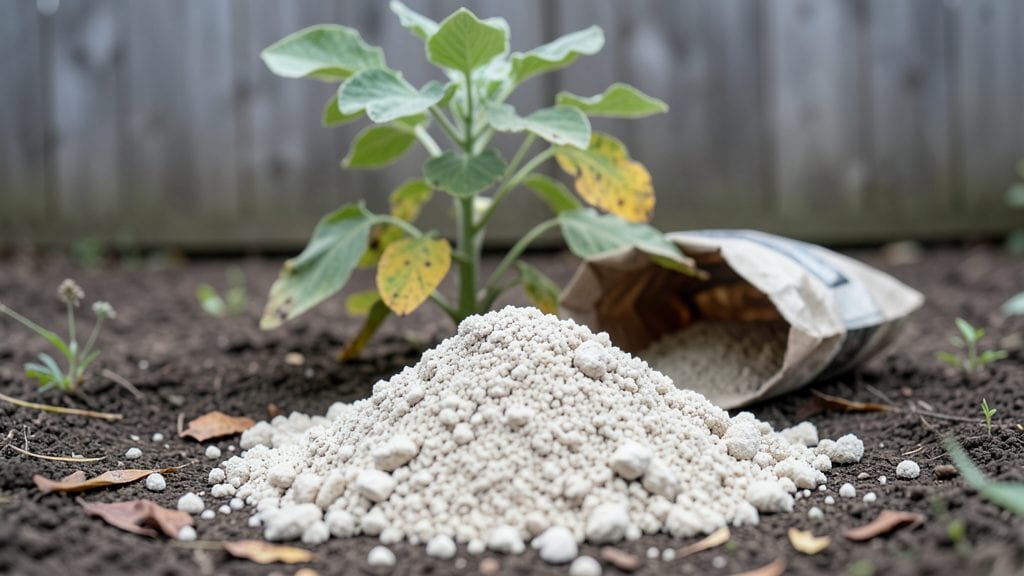
Magnesium for gardens boosts plant vitality by preventing yellowing leaves and enhancing chlorophyll production, particularly in nutrient-poor soils. Apply Epsom salt or magnesium sulfate sprays for fast results, or amend soil for lasting benefits.
Magnesium acts as the central atom in chlorophyll, the green pigment that drives photosynthesis. 🌱 When plants lack this mineral, leaves develop yellow patches between veins—a classic sign of deficiency.
I’ve seen houseplants like ferns and citrus trees recover dramatically after just one foliar spray, proving how critical magnesium is for both ornamental and edible plants. The key is balancing application rates, as too much can disrupt calcium uptake, leading to other nutrient imbalances.
For gardeners, the easiest fix is mixing 1 tablespoon of Epsom salt per gallon of water for a quick foliar treatment. Organic options like dolomitic lime work well for soil amendment but take longer to show results.
Always test your soil first—many modern soils already contain sufficient magnesium, so overapplication can do more harm than good.
💡 In This Article
- How Magnesium Deficiency Affects Plant Health
- Best Magnesium Sources and Application Methods
How magnesium deficiency affects plant health
Magnesium sits at the heart of chlorophyll's molecular structure, acting as the central atom that binds the pigment to sunlight. Without adequate magnesium, plants can't efficiently capture light energy, leading to a breakdown in photosynthesis.
This deficiency first appears as interveinal chlorosis—yellowing between leaf veins—because magnesium is mobile within the plant and gets transported to new growth, leaving older leaves starved first. 🌿 In severe cases, this progresses to necrotic spots and leaf drop, as the plant essentially can't sustain its energy needs.
The biochemical process involves magnesium stabilizing the chlorophyll molecule's structure, which contains 5-6 magnesium ions per chlorophyll molecule. When levels drop below 2.0-4.0 parts per million in plant tissue, photosynthesis efficiency plummets by up to 50%.
This explains why magnesium-deficient plants often show stunted growth—they're essentially operating on half-power. Citrus trees, tomatoes, and peppers are particularly sensitive because they're heavy magnesium users, requiring 0.3-0.6% magnesium in their dry weight for optimal health.
Different plant species exhibit unique symptoms when magnesium-deficient. For example, fruit trees like apples develop yellowing between veins on older leaves first, while vegetables like spinach show a general yellowing that spreads from the base upward.
Flowering plants often produce fewer blooms because magnesium is crucial for energy production during reproductive phases. The deficiency also weakens cell walls, making plants more susceptible to pests and diseases—a vicious cycle where stress compounds existing problems. 🌺
What most gardeners don't realize is how magnesium deficiency mimics other nutrient problems, particularly potassium deficiency. The key difference is that magnesium deficiency causes yellowing between veins (leaving veins green), while potassium deficiency causes yellowing at leaf edges.
This distinction is critical for accurate diagnosis—testing soil pH is also important, as magnesium becomes less available in soils with pH above 7.0. Acid-loving plants like blueberries and azaleas often show deficiency symptoms because their ideal growing conditions lock magnesium out of the root zone.
Magnesium plays another crucial role in activating over 300 enzymatic reactions in plants, including those involved in phosphate metabolism and protein synthesis. When deficient, plants can't properly utilize other nutrients like nitrogen and phosphorus, even if those are present in ample supply.
This explains why some gardeners see no improvement after adding nitrogen fertilizers—if magnesium is the limiting factor, the plant simply can't process the nitrogen. 🌱 The solution often requires both correcting the magnesium deficiency AND adjusting other nutrient ratios to restore balance.
Interestingly, magnesium deficiency symptoms often appear first in the oldest leaves because the plant prioritizes transporting magnesium to new growth. This "nutrient robbing" strategy helps maintain critical functions in developing leaves and stems, but at the cost of sacrificing older foliage.
The visual pattern—yellowing starting between veins on lower leaves—is one of the most reliable diagnostic clues for gardeners to identify magnesium issues quickly. 💡
For plants already showing deficiency symptoms, foliar applications of magnesium sulfate (Epsom salt) can provide visible improvement within 2-4 weeks, as the mineral is rapidly absorbed through leaves.
However, for long-term solutions, soil amendments like dolomitic lime or greensand are more effective, as they build magnesium reserves in the root zone. The key is monitoring soil tests regularly—many modern soils contain sufficient magnesium, and overapplication can actually disrupt calcium uptake, leading to entirely different nutrient imbalances. 🌿