
Tools
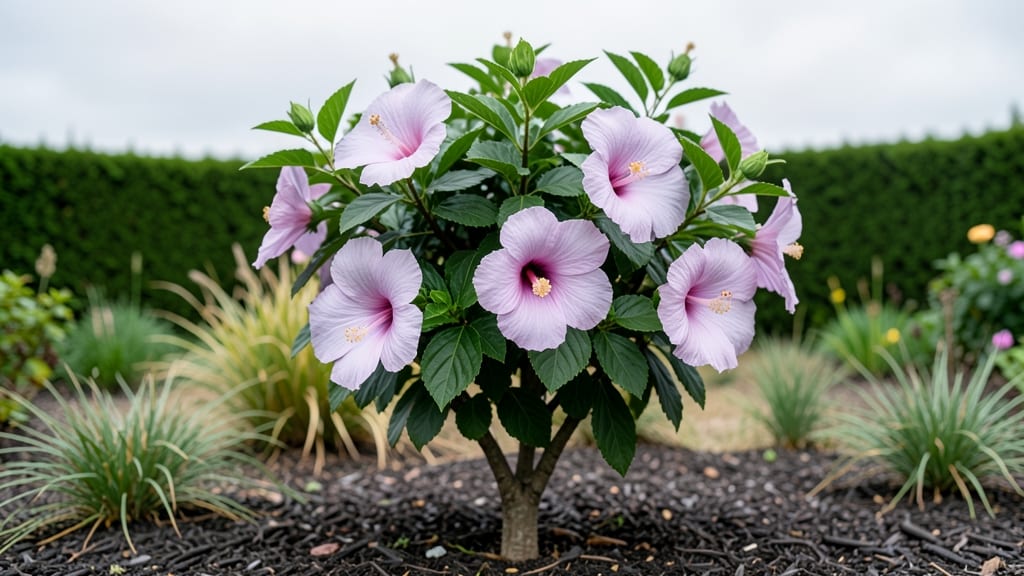
That old person gardening shouldn’t hurt your knees or back—especially when you’ve earned every moment of peace in the dirt. 🌿 I’ve spent years refining my setup to make plant care feel like a joy, not a chore, and the right tools can transform even the simplest tasks into something manageable.
The key isn’t giving up gardening; it’s adapting it to your body, not the other way around.
Start with raised beds at waist height (30–36 inches tall) so you never have to bend over, and pair them with long-handled tools that let you prune, weed, and harvest without strain. Add a sturdy bench or padded kneeler—trust me, your joints will thank you after 10 minutes.
Low-maintenance plants like lavender, rosemary, or daylilies thrive with minimal fuss, while vertical planters bring color to walls instead of the ground.
You’ll spend less time aching and more time enjoying the garden’s rewards—think fragrant herbs within arm’s reach, vibrant flowers that don’t demand constant attention, and the quiet satisfaction of growing something beautiful without the struggle. The best part? These adaptations work for any skill level, not just seniors.
Whether you’re dealing with arthritis, limited mobility, or just tired of the old way, this approach lets you keep gardening—on your terms. Let’s make your green space work for you, not against you.
📚 In This Guide
- What you need
- Instructions
- Tips and common mistakes
- Wrapping up and next steps
What you need
- ● Adaptive Gardening Tools: 1 ergonomic trowel (lightweight, with a cushioned grip—look for foam or gel handles).
- ● 1 long-handled weeder (18–24 inches) to reduce bending.
- ● 1 joint-friendly pruners (spring-loaded or with padded grips).
- ● 1 knee pad or cushion (gel-filled for comfort during kneeling).
- ● Garden Basics: 2–3 raised garden beds (12–18 inches tall, 4x8 feet) for easier access.
- ● 1 wheelbarrow or lightweight cart (for transporting soil, tools, or harvested veggies).
- ● 1 watering can with a long spout (5–10 gallons, with a built-in hose attachment for reach).
- ● 1 gloves with padded palms (to protect hands and improve grip).
- ● Seeds & Soil: 1 bag of lightweight potting mix (1–2 cubic feet per bed).
- ● Seed packets for easy-to-grow plants (e.g., lettuce, herbs, marigolds, or strawberries).
- ● 1 stool or bench (foldable, with armrests for seating while gardening).
- ● 1 hose with an adjustable nozzle (for gentle watering without straining).
- ● 1 solar-powered garden light (to extend gardening time in early mornings or evenings).
- ● 1 magnifying glass (for close-up tasks like seed planting or inspecting plants).
Instructions for adaptive gardening that protects your joints
Here’s how to make gardening easier on your hands and knees without sacrificing the joy of growing.
🪴 Step 1: Set Up Your Workspace for Comfort
Start by placing a sturdy, padded kneeling pad or a small stool directly under your garden bed. I like to use a foam pad with a handle—I can pull it along as I move through the garden without bending over. Position it so your knees stay at a 90-degree angle when seated, which reduces strain on your joints.
Next, arrange your tools within arm’s reach on a lightweight tray or rolling cart. This way, you won’t have to twist or stretch to grab them. I keep mine close enough that I can adjust soil or prune without leaning forward. A small umbrella or shade cloth nearby also helps if you’re working in the sun—it keeps you cooler and prevents overheating.
💧 Step 2: Choose the Right Tools for Less Effort
Swap heavy metal tools for lightweight, ergonomic alternatives. Long-handled tools like a 24-inch trowel or 18-inch pruners let you work standing up, reducing the need to bend. I’ve found that tools with foam grips or padded handles cut down on hand fatigue, especially after a few hours of gardening.
For weeding, a hula hoe or a long-handled weeder makes quick work of rows without requiring you to kneel. If digging feels difficult, try a digging fork with a short handle—it gives you more leverage with less effort. Store these tools in a wall-mounted rack or a hanging organizer so they’re always easy to access.
☀️ Step 3: Adapt Your Planting and Maintenance Routine
Opt for container gardening or raised beds to eliminate the need for deep bending. Fill containers with lightweight potting mix and place them at waist height or on a sturdy table. This way, you can plant, water, and harvest without straining your back or knees. I keep my containers on a rolling cart so I can move them to the sunniest spot easily.
When it’s time to water, use a long-handled watering wand or a soaker hose to reach plants without bending over. A timer-controlled sprinkler can also save you time and effort—just set it up once and let it do the work. For pruning, choose plants that require minimal trimming, like roses with sturdy canes or herbs that grow upright. This reduces the need for frequent kneeling or reaching.
✂️ Step 4: Simplify Tasks with Smart Techniques
Mulch your garden beds with 3-4 inches of organic mulch to suppress weeds naturally. This means fewer hours spent weeding by hand. I like to use straw or wood chips because they break down slowly and keep the soil moist. Spread the mulch with a long-handled rake to avoid bending over.
For harvesting, pick plants that are easy to reach, like tomatoes in hanging baskets or peppers in elevated containers. If you grow vegetables, choose varieties with shorter vines or compact growth habits, like bush beans or determinate tomatoes. These require less climbing or stretching to maintain. A small pair of pruning shears with a comfortable grip makes trimming or harvesting a breeze.
⏰ Step 5: Schedule Gardening for Optimal Energy
Plan your gardening tasks for times when your energy levels are highest—usually in the morning or late afternoon when it’s cooler. Break tasks into short, manageable sessions, like 15-20 minutes at a time, to avoid overexertion. I find that taking breaks every 30 minutes to stretch or rest helps keep my joints feeling good.
If possible, garden with a friend or family member who can assist with heavier tasks like moving pots or turning compost. Even just having someone nearby to hand you tools or hold a plant steady can make a big difference. And don’t forget to wear supportive gloves with padded palms—they protect your hands while making tasks like pulling weeds or trimming easier.
Tips & tricks for perfect joint-friendly gardening
A few simple adjustments can transform gardening from painful to pleasurable—here's how to make every step easier on your body.
Kneeling Comfort: In Step 1, when positioning your kneeling pad, add a small folded towel underneath for extra cushioning. I've found that placing the pad on a slightly elevated surface—like a thick piece of wood or a sturdy board—can also help maintain that ideal 90-degree angle for your knees. This small tweak prevents that creeping discomfort after just 15-20 minutes of work.
Tool Organization: For Step 2, consider adding a small hook to your tool rack where you can hang your pruning shears or shears with a built-in stand. I keep my most-used tools in a clear plastic bin with dividers so I can see exactly what I need without rummaging. This saves precious seconds—and prevents that frustrating twist-and-reach that strains your back.
Container Strategy: When adapting your planting routine in Step 3, choose containers with built-in handles or wheels. I use large plastic grow bags with sturdy handles that let me lift and reposition them easily. For heavier containers, add a small dolly underneath—this makes moving them to sunny spots a breeze without the need to bend or lift.
Mulching Made Easy: In Step 4, try using a leaf blower with a mulching attachment to spread your 3-4 inches of organic mulch. It's surprisingly effective and eliminates the need to bend over with a rake. I've also found that pre-mixed mulch bags with handles make application faster—just tear open the bag and let the mulch flow directly where you need it.
Pro Tips for Old Person Gardening
- A few simple adjustments can transform gardening from painful to pleasurable—here's how to make every step easier on your body.
- Kneeling Comfort: In Step 1, when positioning your kneeling pad, add a small folded towel underneath for extra cushioning.
- Tool Organization: For Step 2, consider adding a small hook to your tool rack where you can hang your pruning shears or shears with a built-in stand.
Frequently asked questions
Got questions about adapting gardening for older adults? Here are some common ones—and practical answers to help you grow with ease!
What are the best joint-friendly gardening tools for seniors?
Look for tools with ergonomic handles (thick, cushioned grips), lightweight materials (aluminum or bamboo), and long handles to reduce bending. Must-haves: knee pads, extended-reach trowels, and adaptive pruners with easy-grip loops. Avoid heavy tools—opt for foldable or telescoping designs to ease strain.
How can I garden with limited mobility or arthritis?
Start with container gardening (pots on tables or raised beds) to eliminate bending. Use wheelbarrows or carts to transport soil/plants, and try hose attachments with adjustable nozzles for watering. Pro tip: Schedule shorter, frequent sessions (15–30 mins) to avoid fatigue. Seated gardening kits are also a game-changer!
What plants are easiest to grow for older adults?
Choose low-maintenance, fast-growing plants like herbs (basil, mint), leafy greens (lettuce, spinach), or strawberries. Succulents and ornamental grasses thrive with minimal care. Avoid vining plants (like cucumbers) or heavy blooms (e.g., sunflowers). Bonus: Dwarf varieties (e.g., tomato ‘Tiny Tim’) fit small spaces and require less pruning.
When is the best time to garden for seniors?
Plan tasks for cooler hours—early morning or late afternoon—to avoid heat exhaustion. Spring and fall are ideal for planting, while summer should focus on watering, weeding, and harvesting. Winter? Prune dormant plants or organize tools indoors. Listen to your body: Rest if joints ache, and hydrate often!
What if I don’t have a yard or balcony?
No problem! Try indoor gardening with herbs on windowsills or hydroponic kits (no soil needed). Community gardens or shared urban plots offer accessibility too. For apartments, hanging planters or vertical gardens maximize space. Pro tip: Even a single sunny windowsill can grow microgreens or chives!
How do I troubleshoot sore hands or grip issues?
Swap regular gloves for compression or gel-filled grips to reduce pain. Long-handled tools (like grabber claws) help avoid reaching. For gripping struggles, try adaptive tool attachments (e.g., foam grips or loop handles). Ice packs post-gardening can ease inflammation. If pain persists, consult a physical therapist for exercises.
Wrapping up and next steps
Gardening in later years isn’t just about growing plants—it’s about nurturing joy, independence, and connection to nature while keeping joints happy. With the right adaptive tools, you can transform your garden into a low-impact, high-reward space that adapts to your comfort.
Whether you’re kneeling with ergonomic cushions or harvesting with long-handled tools, every step is a victory for both your garden and your well-being.
Ready to dig in? Start small—try one new tool this week, like a bendable hose or a lightweight trowel, and watch how it changes your experience. Your future self (and your plants!) will thank you. 🌱💛