
Companion Plants
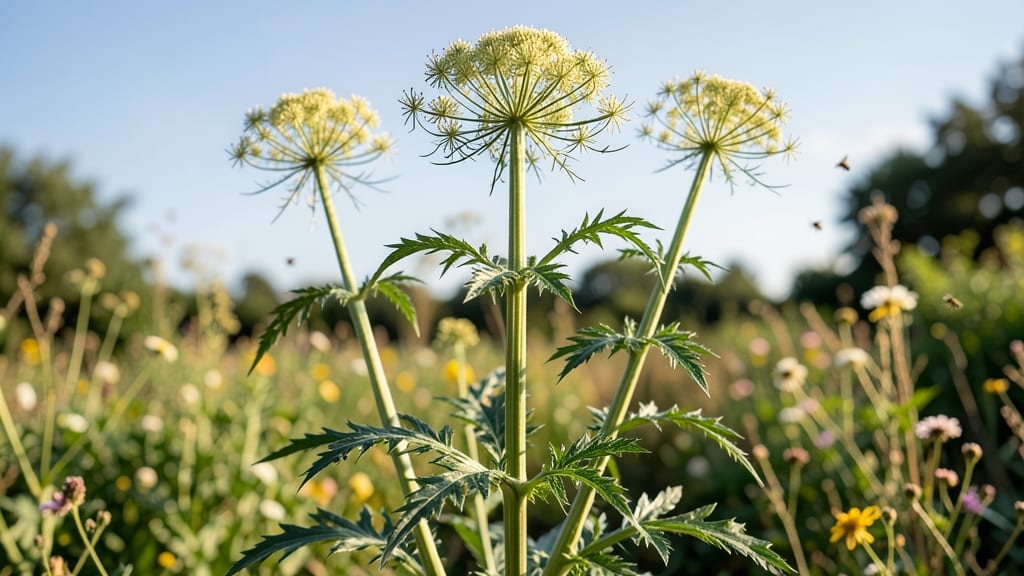
Transform your garden into a thriving ecosystem with these 10 pollinator-friendly potager plants. Not only do they produce delicious harvests, but they also attract bees, butterflies, and hummingbirds while growing harmoniously together.
French Lavender for Culinary and Pollinator Appeal
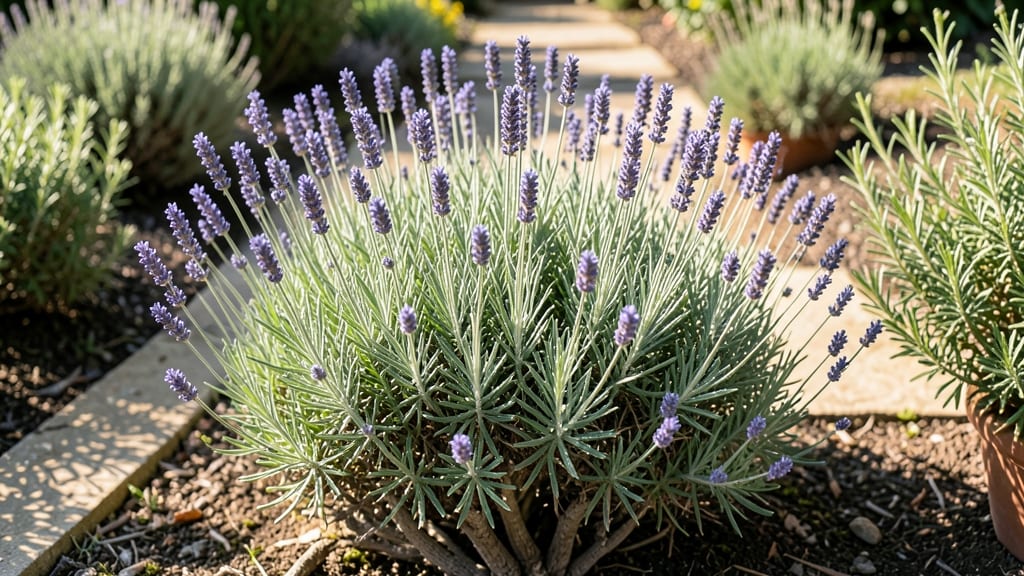
Looking for a plant that does double duty in your potager? French lavender (Lavandula angustifolia) is a fragrant powerhouse that repels pests while luring in pollinators—making it the ultimate companion for both culinary and ornamental spaces.
This drought-tolerant perennial thrives in full sun and well-drained soil, producing purple blooms from early summer to fall that bees adore. Beyond its beauty, its strong scent deters aphids, flea beetles, and even rabbits, while its edible flowers add a delicate floral note to teas, desserts, or garnishes. Plant it along borders or near vegetables like tomatoes and cabbage for natural pest control.
Perfect for beginners and seasoned gardeners alike, French lavender adds year-round structure to your potager with its silvery foliage and long bloom season. 🌿
Nasturtium Flowers Edible and Pest-Repelling
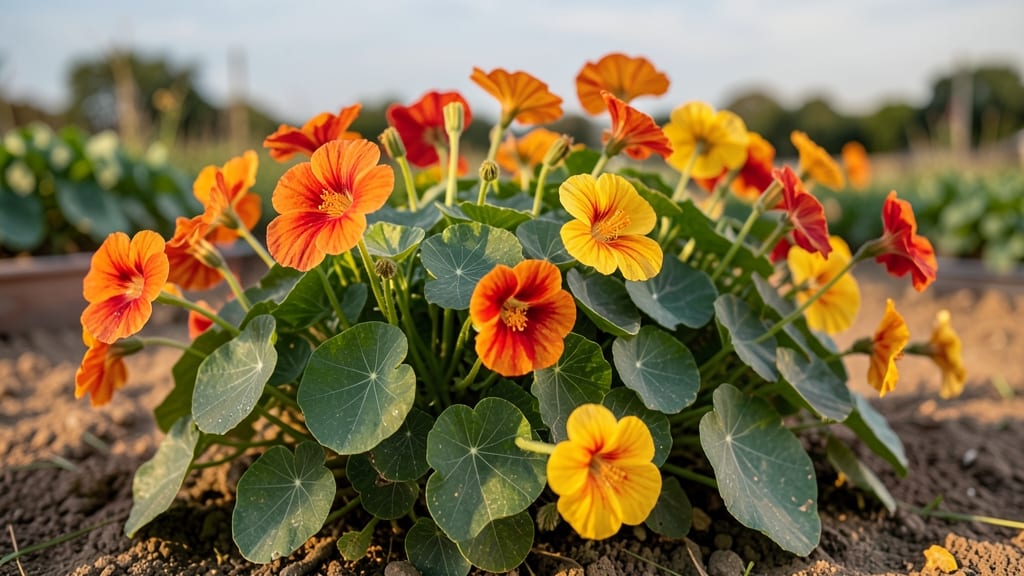
Looking for a plant that doubles as both a pest deterrent and a culinary delight? Nasturtiums are the perfect addition to your potager garden, offering vibrant blooms that repel aphids and squash bugs while providing peppery edible flowers and leaves.
These cheerful annuals thrive in full sun to partial shade and can be grown as a ground cover or in hanging baskets for cascading color. Their bright flowers come in shades of orange, red, and yellow, adding a pop of color while keeping pests at bay. Simply snip leaves or flowers for salads, garnishes, or pest-free companion planting.
Urban gardeners and small-space growers will love nasturtiums—they’re easy to grow, drought-tolerant once established, and perfect for containers. Plus, their edible blooms make them a fun, interactive plant for kids and adults alike. 🌻
Borage Plants for Bee Magnetization
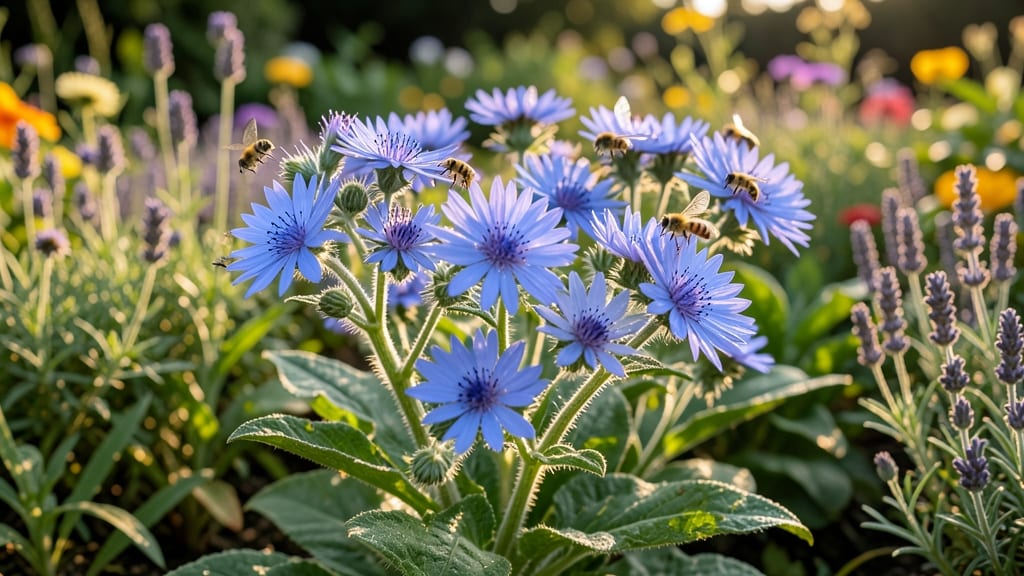
Watch your potager garden buzz with activity when you add borage—a self-seeding annual that acts like a bee magnet while offering edible surprises. Those striking star-shaped blue flowers aren’t just beautiful; they’re packed with nectar that keeps pollinators hovering all season long.
Beyond its pollinator appeal, borage delivers cucumber-flavored leaves perfect for salads and cocktails, and its hairy stems deter pests naturally. Plant it near squash or tomatoes to improve yields, and let it self-seed for years of effortless blooms. Just give it full sun and well-draining soil—it thrives even in poor conditions.
This low-maintenance plant is ideal for beginner gardeners and urban potagers, offering both beauty and bounty without fuss. Let it climb trellises or sprawl freely—your bees (and taste buds) will thank you! 🌻
Chives for Pollinators and Onion Flavor
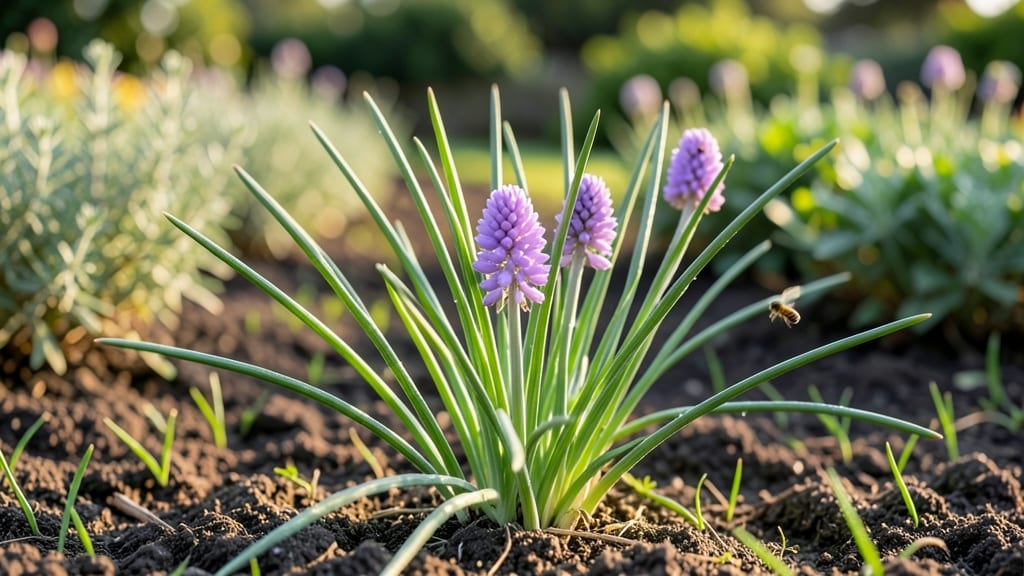
Looking for a perennial herb that doubles as a pollinator magnet? Chives deliver both mild onion flavor and purple blooms that bees adore, making them a must-have for cutting gardens and pollinator pathways. Unlike annuals, chives return every year with minimal care, offering a reliable harvest of both leaves and flowers.
Plant chives in full sun to partial shade with well-draining soil, and space them 6-8 inches apart for easy access. They thrive in USDA zones 3-9, making them versatile for most climates. Snip leaves as needed for cooking, and let the flowers go to seed to feed pollinators—hoverflies and bees will visit in droves. Their clumping habit also makes them perfect for edging pathways or filling gaps in borders.
This low-maintenance herb is ideal for urban gardeners with limited space or beginner potagers who want a dual-purpose plant. Plus, their delicate blooms add a touch of color to your harvest while supporting the ecosystem. 🌟
Calendula Flowers for Healing and Pollinators
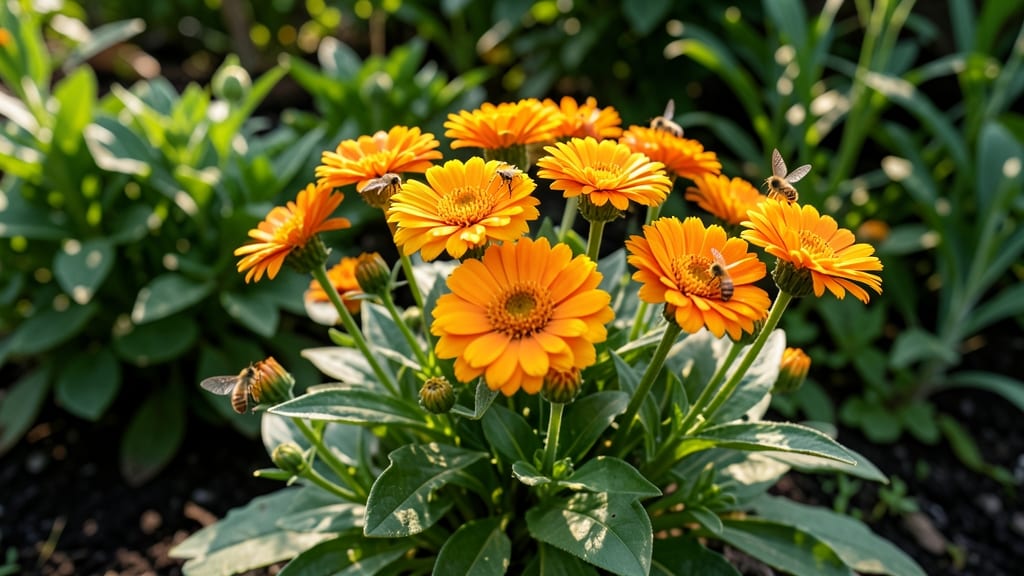
Looking for a plant that boosts your garden's health while adding vibrant color? Calendula flowers are the secret weapon for pollinator-friendly potager gardens, offering both beauty and functional benefits.
These cheerful orange and yellow blooms aren't just pretty—they're edible and packed with antifungal and antibacterial properties, making them excellent for companion planting with tomatoes and peppers. Their bright flowers attract bees and butterflies, while their strong scent deters pests like aphids and whiteflies. Plant them in full sun to partial shade and watch them self-seed for years of blooms.
Perfect for beginner gardeners or those looking to enhance their potager's ecosystem, calendula adds a pop of color while keeping your plants thriving. 🌻
Dill Plants Attracting Beneficial Insects
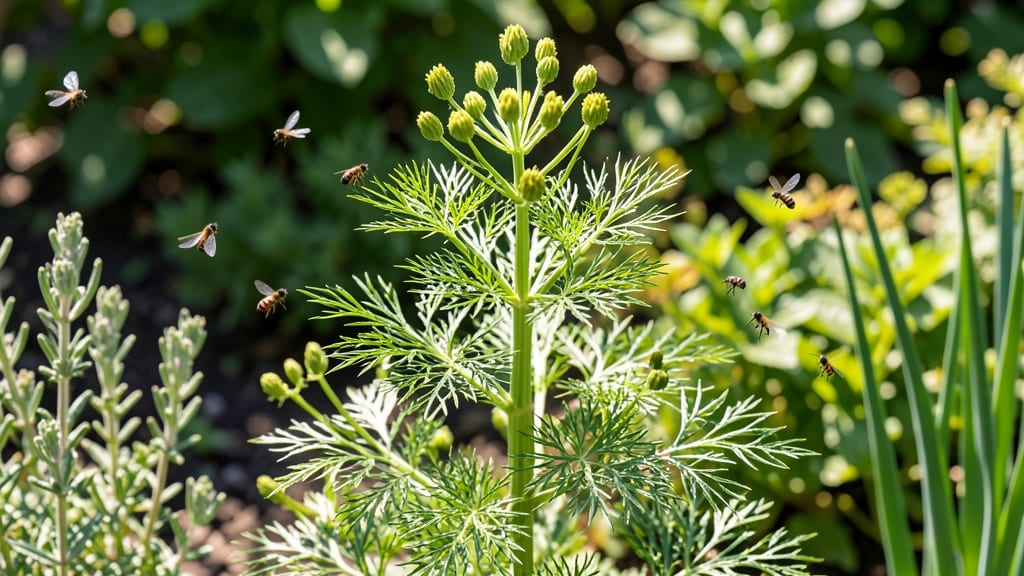
If you're looking for a two-in-one herb that boosts your kitchen and your garden's pest control, dill is your secret weapon. This feathery-leaved annual doesn't just add fresh flavor to soups and salads—it acts as a natural magnet for hoverflies and parasitic wasps, two of the most effective predators of garden pests like aphids and cabbage worms.
Plant dill alongside your cabbage family (like kale or Brussels sprouts) or near tomatoes to lure these beneficial insects. The yellow umbel flowers bloom in mid-summer, providing a nectar buffet for hoverflies, whose larvae devour soft-bodied pests. For maximum impact, let some flowers go to seed—they'll attract even more predators while adding vertical interest to your potager.
This versatile herb thrives in full sun and well-drained soil, making it perfect for beginners or small-space gardeners. Whether you're growing it in containers or beds, dill's dual-purpose power makes it a must-have for any pollinator-friendly potager. 🌻
Marigold Flowers for Pest Deterrence
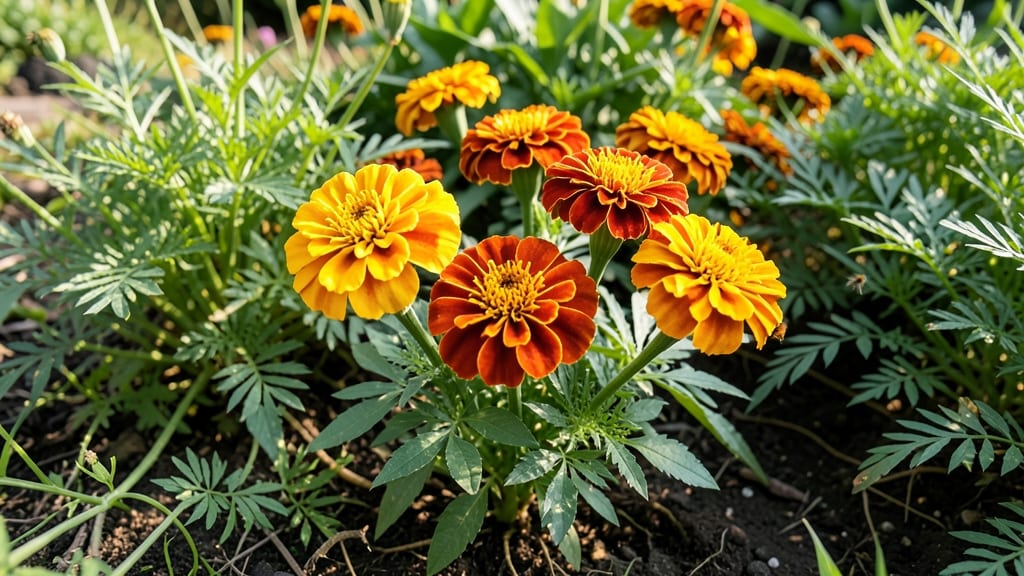
Looking for a multi-purpose addition to your potager that doubles as a pest-fighting superhero? Marigolds are the answer—these cheerful annuals repel nematodes (soil-dwelling pests) while luring bees and butterflies with their bright blooms.
Plant French marigolds (like 'Bonanza' or 'Souvenir') among your vegetables—their strong scent masks crops from pests, and their edible petals add a peppery kick to salads. For best results, sow seeds directly after the last frost in full sun and well-draining soil, spacing them 12 inches apart. Deadhead spent blooms to encourage nonstop flowering.
Urban gardeners and beginners will love how easy marigolds are to grow—they thrive in containers and self-seed for years. Plus, their vibrant colors make them a potager garden staple. 🌻
Thyme Varieties for Culinary and Pollinator Use
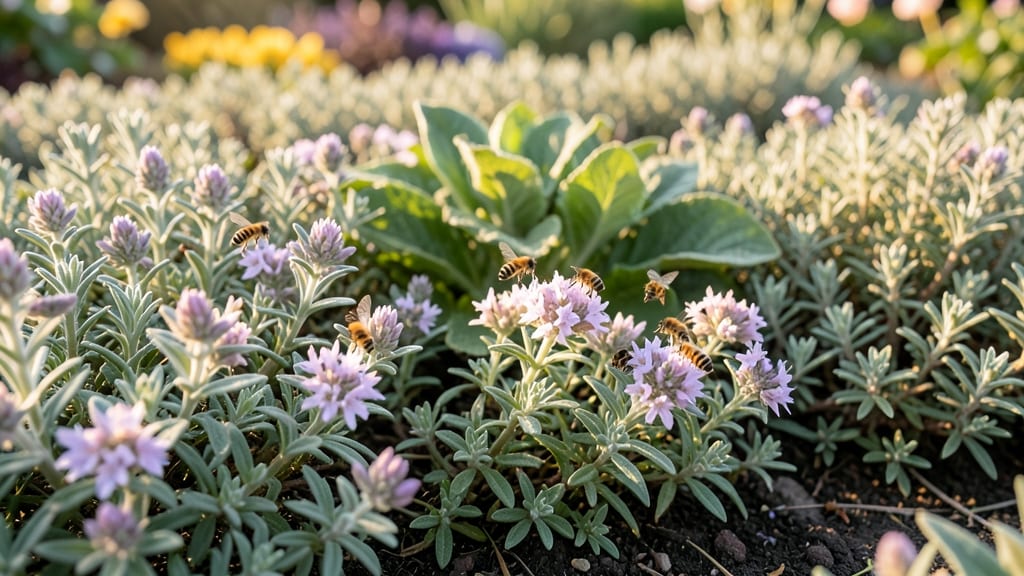
Want a pollinator magnet that doubles as a flavorful ground cover? Thyme is the unsung hero of potager gardens, offering both earthy culinary value and buzzing bee activity year after year.
This drought-tolerant perennial thrives in full sun to partial shade, forming dense mats that suppress weeds while providing aromatic foliage perfect for soups, stews, and garnishes. Varieties like lemon thyme or carvacrol-rich wild thyme attract bees with their tiny purple flowers, making them ideal for edging pathways or framing vegetable beds.
Perfect for beginners and experienced gardeners alike, thyme requires minimal care—just well-drained soil and occasional pruning. Plant it near rosemary or oregano for a cohesive herb border that keeps pollinators visiting all season. 🌿
Sunflower Plants for Towering Pollinator Appeal
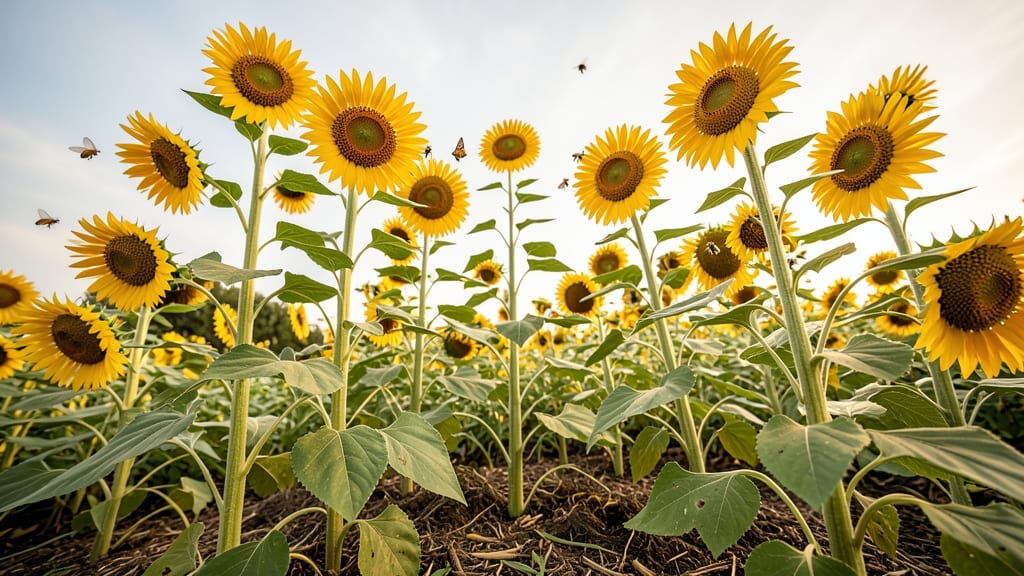
Want to add drama and pollinator power to your potager garden without sacrificing space? Sunflowers are the answer—these towering annuals reach heights of 6 to 12 feet, creating vertical interest while attracting bees, butterflies, and even birds with their bright blooms.
Choose dwarf varieties like 'Teddy Bear' (3-4 feet) for smaller spaces or let giant varieties like 'Mammoth' (12+ feet) dominate your garden's skyline. Plant seeds directly in the soil after the last frost, spacing them 6 inches apart for full sun exposure. Their edible seeds are a bonus—roast them for snacks or save them for next year's planting.
Sunflowers thrive in almost any soil and require minimal care, making them perfect for beginners or busy gardeners. Their striking presence will draw pollinators to your potager while adding a cheerful, rustic charm. 🌻
Fennel Plants for Pollinators and Flavor

Looking for a plant that adds both height and drama to your potager while doubling as a pollinator magnet? Fennel (Foeniculum vulgare) delivers with its striking feathery foliage and towering flower stalks that reach 5-6 feet tall, creating natural vertical interest.
This perennial thrives in full sun and well-drained soil, producing delicate yellow blooms that attract bees, butterflies, and hoverflies throughout the summer. The real bonus? You get edible anise-flavored bulbs and seeds—perfect for soups, salads, or garnishes—while the plant’s aromatic foliage deters pests like spider mites.
Ideal for gardeners who want multi-season interest, fennel’s airy texture contrasts beautifully with denser herbs like thyme or rosemary. Plant it near the back of beds or as a focal point in containers for a sophisticated, pollinator-friendly statement. 🌻