
Tools
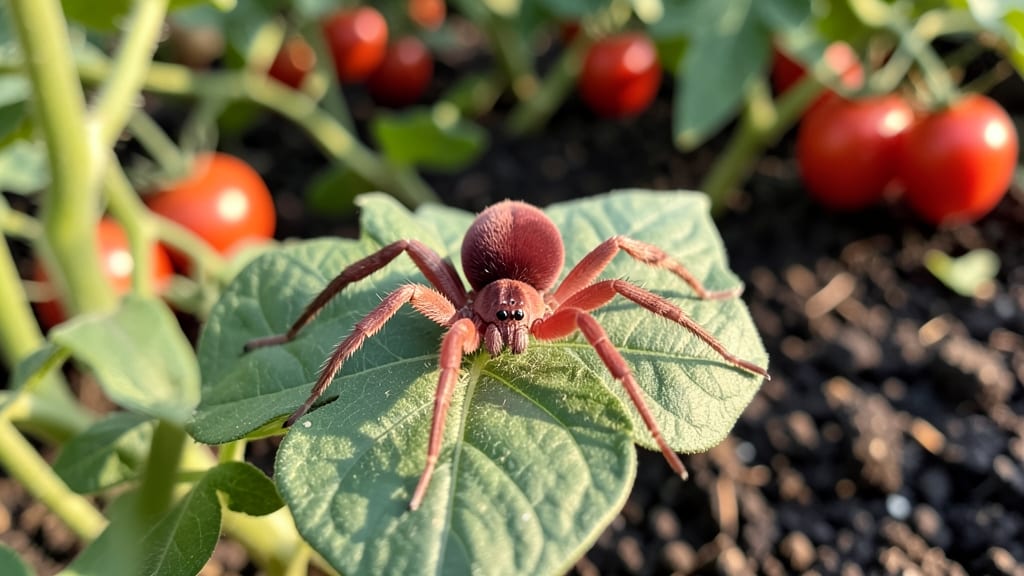
The red spider garden traps I use saved my peppers and tomatoes last summer. 🌿 These tiny predators don’t kill mites—they starve them out by creating a humid microclimate where red spider mites can’t survive.
The best part? No chemicals, no harm to your plants or pollinators, just a simple setup that works.
Red spider mites thrive in dry, dusty conditions, which is why they attack so aggressively in summer. My traps use a mix of water, dish soap, and a little sugar to create a sticky barrier that traps mites while keeping beneficial insects safe.
You’ll see results within a week if you catch the infestation early—just check undersides of leaves for fine webbing or speckled yellowing.
Once you set up the traps, you’ll notice fewer mites within days, and your plants will bounce back with fresh, vibrant growth. The traps work on tomatoes, peppers, roses, and even houseplants—anything red spider mites love to attack. Plus, they’re reusable for multiple seasons if you clean them properly.
This method is perfect for organic gardeners, busy parents, or anyone who wants to avoid harsh pesticides. The initial setup takes less than 30 minutes, and the traps blend right into your garden without looking out of place. Ready to reclaim your plants without the chemical battle?
Hidden Triggers Behind Webbed Invaders
If your garden is suddenly draped in delicate, eerie webs and tiny red spiders are making an unwelcome appearance, don’t panic—understand the why. These eight-legged intruders, often Tetranychus urticae (the two-spotted spider mite), don’t just show up for fun.
They’re responding to specific conditions in your environment, and recognizing these triggers is the first step to reclaiming your green space without resorting to harsh chemicals.
Spider mites thrive in hot, dry climates—think of them as tiny, web-spinning desert dwellers.
When temperatures rise above 80°F (27°C) and humidity drops below 40%, their metabolism speeds up, and they reproduce at alarming rates. Why? Because dry air dehydrates plant cells, making them easier to pierce and suck out nutrients.
Even indoor plants near heating vents or under direct sunlight can become prime real estate for these pests.
Actionable insight: Use a hygrometer to monitor humidity. Aim for 50-70% humidity—mist plants lightly in the morning or use a pebble tray with water to boost moisture levels.
Weak plants are like buffets for spider mites. When plants are overcrowded, undernourished, or struggling from poor soil, their defenses weaken. Mites detect these vulnerabilities and move in, targeting leaves that are already damaged by drought, pests, or even over-fertilization.
Science behind it: Healthy plants produce trichomes (tiny hair-like structures) that deter mites. Stressed plants? Fewer trichomes = open season.
Fix it:
- ✅ Prune plants to improve airflow and reduce humidity pockets.
- ✅ Test soil for nutrient deficiencies (especially nitrogen, phosphorus, and potassium).
- ✅ Avoid overwatering—soggy roots attract fungal issues, which further stress plants.
In a balanced garden, spider mites are kept in check by natural predators like ladybugs, lacewings, and predatory mites. But if you’ve used broad-spectrum pesticides (even "organic" ones like neem oil overused), you’ve likely wiped out these allies.
Mites, with their rapid reproduction cycle (every 3-4 days in warm conditions), quickly fill the void.
Data point: A single female mite can lay 200 eggs in her lifetime—no predators? That’s a population explosion waiting to happen.
Rebalance your garden:
- 🐞 Introduce beneficial insects like Phytoseiulus persimilis (a mite-eating mite) or release ladybugs.
- 🌿 Plant companion species like marigolds, basil, or dill to attract predator insects.
- ❌ Avoid systemic pesticides—they linger in plant tissues and harm beneficial bugs.
Bringing home a new plant? It might already be infested. Spider mites are expert hitchhikers, hiding in leaf axils, under bark, or even in potting soil. If you’ve recently repotted or introduced compost, mites could’ve hitched a ride from contaminated soil or mulch.
How to quarantine safely:
- 🔍 Inspect new plants under a magnifying glass for webbing or tiny moving dots.
- 🚿 Isolate new additions for 2-4 weeks before introducing them to your garden.
- 🔥 Wash soil with a 10% hydrogen peroxide solution (3% strength) to kill hidden pests before repotting.
Understanding these triggers lets you prevent rather than just treat spider mite outbreaks. The key? Monitor your garden’s microclimate, support plant health, and encourage natural defenses. Your green space will thank you—without the creepy-crawly takeover! 🕷️🚫
Humane Fixes for Tiny Webbed Invaders
Got a garden overrun by those tiny red spiders? 🕷️🌿 Don’t panic—these eight-legged troublemakers (likely red spider mites) can be managed without harming your plants or the ecosystem. The key is acting fast with targeted, humane solutions that disrupt their life cycle while keeping your greenery thriving.
Below, we break down the root causes and match them with practical fixes, plus prevention tips to keep your garden spider-free long-term.
Why it happens: Spider mites thrive in dry conditions, hiding under dusty leaves where they suck sap undetected. A dusty plant is a buffet for them!
How to fix it: ✅ 💦 Blast them off with water – Use a hose or spray bottle to rinse leaves (especially undersides) every 3–4 days. Pro tip: 🌧️ Morning watering prevents fungal growth from damp leaves overnight.
✅ 🧼 Soap up (literally) – Mix 1 tsp mild castile soap or neem oil with 1 quart water, spray directly on mites, and repeat every 5–7 days. Test on a small leaf first to avoid damage.
✅ 🌿 Boost humidity – Place a shallow tray of water near plants or use a humidifier (especially for indoor gardens). Spider mites hate moisture!
Why it happens: Plants under stress (from drought, poor soil, or over-fertilizing) can’t fight off pests. Mites move in like squatters!
How to fix it: 🔹 🌱 Prune for airflow – Trim crowded branches to improve circulation and reduce hiding spots. Think: Less clutter = fewer mites.
🔹 💧 Water deeply but less often – 1 inch per week (check soil moisture—top inch should be dry). Overwatering causes root stress, making plants vulnerable.
🔹 🌿 Feed them right – Use balanced, organic fertilizer (like fish emulsion) to strengthen plants. Avoid synthetic chemicals—they can attract more pests!
Why it happens: You want to eliminate mites without killing beneficial insects (like ladybugs or lacewings).
How to fix it: 🕸️ 🕷️ DIY sticky traps – Coat yellow cards or cardboard with petroleum jelly and place near plants. Mites get stuck—no harm, just removal!
🌿 🍎 Companion planting – Interplant with marigolds, chives, or garlic—their strong scents repel mites naturally.
🐝 🔍 Release predator insects – Buy lacewings or ladybugs from garden centers. They eat mites on sight (and won’t hurt your plants!).
Once you’ve kicked them out, lock the door with these habits:
💡 🌡️ Monitor leaf temps – Mites love warmth (80°F+). Use shade cloth in peak sun to keep leaves cool.
🎯 🕵️ Weekly inspections – Check undersides of leaves with a magnifying glass. Early detection = easier fixes!
✨ 🍂 Clean up debris – Remove fallen leaves, weeds, and dead plants where mites hide year-round.
Final pro tip: 🌿 Rotate methods—don’t rely on just one fix. Combine water blasts, soap sprays, and predator insects for a multi-layered defense that keeps your garden red spider-free without cruelty!
Frequently asked questions
How do I know if my plants have red spider mites?
Look for fine webbing on leaves (especially undersides) and tiny red or yellow specks moving quickly when disturbed. Infested leaves may also appear stippled or yellow from sap damage. Use a magnifying glass to spot the mites—early detection is key!
Why do spider mites appear suddenly in my garden?
They thrive in hot, dry conditions (above 80°F/27°C) and low humidity (40%). Dusty leaves create ideal hiding spots, and stressed plants (from drought or poor soil) can't defend themselves. Check your garden's microclimate—mites multiply rapidly in these environments!
Are there chemical-free ways to eliminate spider mites?
Yes! Try neem oil spray (1 tsp per quart of water), soapy water (mild castile soap), or water blasts to dislodge them. For long-term control, introduce predatory mites or lacewings, and boost humidity with pebble trays. These methods work without harming beneficial insects.
How often should I check my plants for spider mites?
Inspect your plants weekly, focusing on leaf undersides and new growth. During dry seasons, check every 3-4 days—early detection makes treatment much easier. Use a magnifying glass for better visibility. Consistency is key to preventing outbreaks!
Can spider mites survive winter?
Yes, they can! Mites hide in plant debris, mulch, or cracks in pots and become dormant during cold months. Clean up garden debris in fall, and store indoor plants away from heating vents. This breaks their life cycle before spring outbreaks.