
Watering
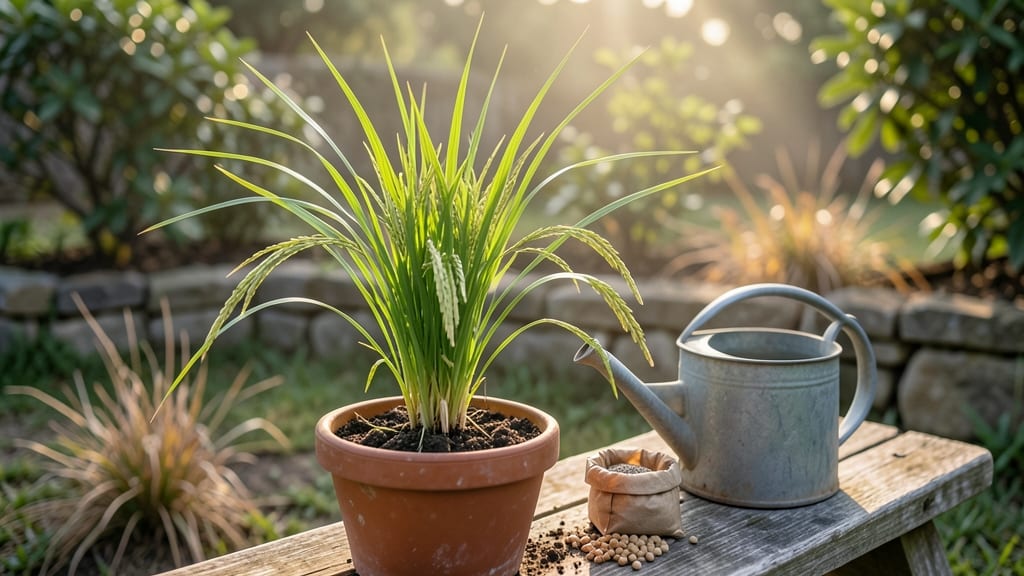
Using rice water for garden fertilization provides plants with essential nutrients like nitrogen, potassium, and B vitamins, while improving soil structure and microbial activity when applied correctly as a diluted foliar spray or soil drench.
Rice water is essentially a nutrient-rich byproduct from rinsing rice, packed with organic compounds that act as a natural plant tonic. 🌱 The starches in rice break down into simple sugars during soaking, feeding beneficial soil microbes that boost root growth and nutrient absorption.
I’ve seen firsthand how this simple liquid can revive struggling plants—especially leafy greens and herbs—without the harshness of synthetic fertilizers. The key is balance: too much can smother roots, but a weekly diluted application works wonders for soil health and plant vitality.
For best results, use cooled rice water (strained through cheesecloth) at a 1:1 dilution ratio with water. This mimics how nature recycles nutrients, giving your garden a gentle but powerful boost. 💛
💡 In This Article
- How Rice Water Fertilizes Plants and Improves Soil
- Best Practices for Applying Rice Water to Gardens
How rice water fertilizes plants and improves soil
Rice water acts as a natural nutrient booster because it contains broken-down starches that convert into simple sugars—like glucose and fructose—during the soaking process. These sugars feed beneficial soil microbes, including mycorrhizal fungi and nitrifying bacteria, which then break down organic matter into plant-accessible forms.
The rice hulls also contribute trace minerals like silicon (up to 20% by weight in hulls) and small amounts of magnesium, which strengthen cell walls and improve drought resistance in plants.
The microbial activity triggered by rice water mimics what happens in compost heaps. When you add rice water, the soil's microbial population diversifies, creating a more resilient ecosystem. For example, Pseudomonas bacteria thrive in this environment, suppressing harmful pathogens while promoting root growth.
The starches also act as a slow-release carbon source, feeding microbes for weeks after application—similar to how mulch works but in liquid form. 🌱
One of the most underrated benefits is how rice water improves soil structure. The organic compounds bind clay particles together, creating larger aggregates that hold moisture better while allowing excess water to drain.
This is especially useful for sandy soils, which drain too quickly, or heavy clay soils, which compact easily. Think of it like adding a natural conditioner to your soil—it doesn't just feed plants, it creates an environment where roots can thrive.
What makes rice water unique compared to other organic fertilizers is its B-vitamin content, particularly B1 (thiamine) and B6 (pyridoxine). These vitamins play crucial roles in plant metabolism, helping convert sugars into energy and synthesizing proteins.
While plants don't absorb vitamins directly like animals do, these compounds stimulate microbial activity that produces vitamin-like growth factors. It's like giving your garden a gentle energy drink—boosting overall vitality without overpowering the system. ✨
For visual proof, compare a plant treated with rice water to one without: the treated plant will show darker green leaves (from increased chlorophyll production), thicker stems (from stronger cell walls), and more abundant blooms (from improved nutrient uptake).
The difference isn't just aesthetic—it's a sign of a healthier, more balanced soil ecosystem. This is why gardeners in Asia have used rice water for centuries, long before synthetic fertilizers existed.
Here's what happens when you apply it correctly: the starches break down within 24-48 hours, feeding microbes that then release nutrients in a form plants can absorb. Unlike chemical fertilizers that create salt buildup, rice water adds organic matter that improves soil over time.
The result? Plants that grow stronger, resist pests better, and produce higher yields—all from a simple kitchen byproduct. 💫