
Companion Plants
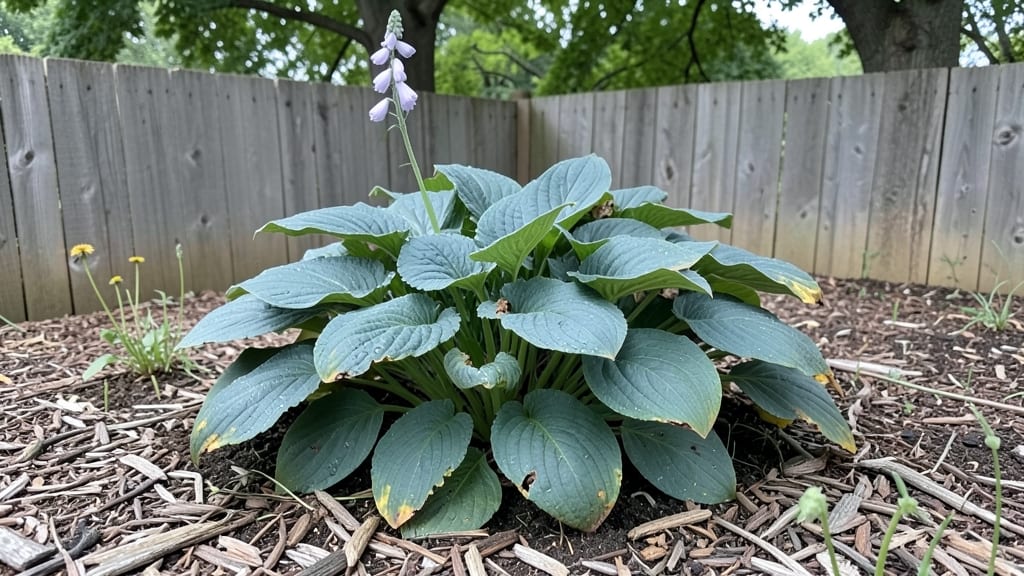
Shady garden plants can transform a gloomy corner into a thriving, lush retreat—without needing a single ray of sunlight. 🌿 I used to think shade meant dull, boring gardens, but after filling my backyard’s darkest spot with ferns, hostas, and impatiens, I now crave more of it.
The secret lies in plants that embrace low light, turning neglected areas into vibrant, textured escapes.
Start with a mix of heights and textures—tall ferns like Matteuccia struthiopteris for drama, hostas for bold foliage, and impatiens for cascading color. These plants thrive in dappled shade or full shade, with some even handling reflected light from nearby buildings.
The key is layering: place taller plants at the back, mid-height ones in the middle, and spillers like Heuchera or Lamium at the front.
By summer, your screen will burst with life—deep green fronds swaying gently, velvety hosta leaves catching the light, and clusters of bright blooms drawing in hummingbirds. The best part?
These plants need minimal fuss: consistent moisture and occasional mulch keep them happy year-round, with many offering seasonal interest through changing foliage or winter berries.
Perfect for patios, woodland edges, or privacy screens, this approach works in any shady spot—whether it’s a north-facing yard or a dense tree canopy. Let’s bring the shade to life with plants that don’t just survive but shine.
📚 In This Guide
- What you need
- Instructions
- Tips and common mistakes
- Wrapping up and next steps
What you need
- ● Shade-tolerant plants: Choose 3–5 varieties from this list (quantities depend on spacing): Hostas (10–15 plants, Hosta spp.)
- ● Ferns (8–12 plants, e.g., Matteuccia struthiopteris or Dryopteris filix-mas)
- ● Hydrangeas (5–8 plants, Hydrangea macrophylla)
- ● Astilbes (6–10 plants, Astilbe spp.)
- ● Heucheras (12–15 plants, Heuchera spp.)
- ● Soil amendments: Compost (5–10 gallons, well-aged)
- ● Peat moss or coconut coir (2–3 bags, for moisture retention)
- ● Organic mulch (e.g., shredded bark, 2–3 cubic feet)
- ● Tools: Garden trowel or spade
- ● Pruning shears (sterilized)
- ● Garden hose or watering can (with a fine rose nozzle)
- ● Measuring tape (for spacing plants 18–36 inches apart)
- ● Slow-release fertilizer (balanced 10-10-10 or organic options)
- ● Garden gloves (to protect from thorns or rough foliage)
- ● Drip irrigation system (for consistent moisture)
- ● Decorative stakes or obelisks (to support climbing plants like clematis)
- ● Soil pH test kit (to ensure acidity/alkalinity suits your plants)
How to design a thriving shady garden privacy screen
Here's how to create a lush, sun-free garden oasis that blocks views while requiring minimal care.
🌿 Step 1: Select the Right Shade-Tolerant Plants
For a 4-plant privacy screen, I recommend hostas, ferns, astilbes, and hydrangeas—all thrive in partial to full shade and grow to 3-5 feet tall. Hostas provide bold foliage, ferns add delicate texture, astilbes bring summer blooms, and hydrangeas offer seasonal color changes. Avoid sun-loving plants like boxwoods or lavender—they'll struggle and leave gaps.
Start with 4 nursery-grown plants (one of each type) to ensure instant impact. Dig holes twice as wide as each root ball but only as deep as the container's root level. This prevents burying stems too deep, which causes rot. Space them 3-4 feet apart in a straight line for a clean, uniform screen.
🪴 Step 2: Prepare the Planting Site
Shady gardens often have compacted, nutrient-poor soil, so amend the planting area with 3 gallons of compost mixed into the top 6 inches of soil. Work it in until the soil looks dark and crumbly—this improves drainage while retaining moisture. Test the pH if possible; most shade plants prefer slightly acidic to neutral (6.0-7.0).
I like to add 1 cup of slow-release fertilizer (like 10-10-10) to each hole before planting. This gives roots a nutrient boost without burning tender foliage. Water the amended soil deeply 24 hours before planting to help it settle and eliminate air pockets.
☀️ Step 3: Plant for Height and Layered Texture
Arrange plants by height: tallest in back (hydrangeas), mid-height (astilbes), shorter (ferns), and lowest (hostas). This creates visual interest while maintaining privacy. Gently remove each plant from its container and loosen roots if they're circling—this encourages outward growth instead of root-bound stress.
Place each plant in its hole, backfill with native soil, and water immediately to eliminate gaps. Press the soil lightly with your hands to remove air pockets but don't compact it. Mulch the area with 2 inches of shredded bark to retain moisture and suppress weeds—critical in shady spots where grass rarely grows.
💧 Step 4: Water and Maintain Through the First Season
Water deeply twice weekly for the first 4-6 weeks until plants establish roots. You'll know they're settled when new leaves appear without wilting. Shade plants need consistent moisture—let the top 1-2 inches of soil dry between waterings, but never let it stay bone-dry for more than 3 days.
Fertilize lightly once in early spring with a balanced, slow-release formula to support foliage growth. Avoid heavy feeding—shade plants grow slower and can scorch in rich soil. Prune spent blooms (like astilbes) in late summer to encourage next year's flowers, but leave winter interest plants (like hydrangeas) until early spring.
✂️ Step 5: Prune and Shape for Long-Term Privacy
By year two, your screen will need shaping. Prune hostas and ferns in early spring before new growth appears to maintain their shape. For hydrangeas, cut back one-third of the oldest stems in late winter to encourage bushier growth. Astilbes benefit from deadheading spent blooms in summer to prolong flowering.
Watch for leaf spots—common in shady, humid conditions. Remove affected leaves immediately and improve air circulation by thinning out crowded stems. With proper care, your 4-plant screen will grow to 5-6 feet tall within 2-3 years, providing full privacy while adding year-round interest.
Tips & tricks for perfect shady garden privacy screens
A few key strategies will help your shade-loving plants grow into a lush, impenetrable privacy screen that requires minimal care.
Plant Selection Matters: When choosing your 4-plant combination, prioritize plants with different textures and heights to create visual interest. Hostas with their bold foliage and ferns with delicate fronds provide contrast, while astilbes and hydrangeas add seasonal color. I recommend selecting one variety of each—this ensures your screen develops uniformly without gaps. For example, pair 'Blue Angel' hostas with 'Autumn Fern' ferns for a striking contrast.
The Soil Prep Secret: Don't skip the 24-hour pre-watering of the amended soil—this critical step eliminates air pockets that can suffocate roots. I like to add 1 cup of worm castings to each planting hole alongside the slow-release fertilizer. The castings improve soil structure while providing gentle, continuous nutrients. Work the compost into the top 6 inches thoroughly; you'll notice the soil becomes darker and fluffier, which is exactly what shade plants need.
Layering for Privacy: Arrange your plants by height with the hydrangeas in back and hostas in front—this creates depth while maximizing privacy. When removing plants from their containers, gently tease apart any circling roots with your fingers. This encourages outward growth rather than a root-bound clump. I've found that spacing them 3-4 feet apart gives them room to spread without competing for nutrients.
Watering Wisdom: The twice-weekly watering for the first 4-6 weeks is non-negotiable—shade plants establish roots more slowly. Use a rain gauge or trowel to check soil moisture; the top 1-2 inches should be slightly dry between waterings. In humid climates, you might need to water only once weekly, but never let the soil stay bone-dry for more than 3 days. Mulching with 2 inches of shredded bark helps retain moisture while suppressing weeds—critical in shady areas where grass rarely grows.
Pro Tips for Shady Garden Plants
- A few key strategies will help your shade-loving plants grow into a lush, impenetrable privacy screen that requires minimal care.
- Plant Selection Matters: When choosing your 4-plant combination, prioritize plants with different textures and heights to create visual interest.
- The Soil Prep Secret: Don't skip the 24-hour pre-watering of the amended soil—this critical step eliminates air pockets that can suffocate roots.
Frequently asked questions
Got questions about growing shady garden plants?
You’re not alone! Here are answers to the most common concerns—whether you’re troubleshooting slow growth, picking the right plants, or maximizing your space.
What are the fastest-growing plants for a shady privacy screen?
For quick results, opt for bamboo (clumping types like Fargesia), Holly (Ilex), or Aralia (e.g., Fatsia japonica). These grow 3–5 feet per year in partial shade. Just ensure the soil stays moist—they’ll reward you with speedy, lush coverage!
How long does it take for shady plants to mature into a privacy screen?
Most shady plants take 3–5 years to reach full height (6–12 feet), but some like Eucryphia or Pieris japonica may take 5–7 years. Pro tip: Plant in layers—tall shrubs in back, medium-height in middle, and ground covers (like Hosta) up front for instant privacy!
Can shady plants handle extreme heat or cold?
Most thrive in USDA Zones 5–9, but check specifics:
- Rhododendrons and Azaleas: Cold-hardy (Zones 4–8) but need acidic soil.
- Camellias: Heat-tolerant (Zones 7–10) but avoid soggy roots.
- Boxwoods: Versatile (Zones 5–9) for milder climates.
What’s a good alternative if my yard has too much shade?
If sunlight is less than 3 hours/day, try:
- Fern varieties (e.g., Matteuccia struthiopteris)
- Caladiums (colorful, tropical leaves)
- Hellebores (early spring blooms)
Why are my shady plants yellowing or dying?
Yellow leaves often mean:
- Overwatering: Check soil—it should be moist but not soggy.
- Nutrient deficiency: Feed with acidic fertilizer (for plants like Rhododendrons).
- Root rot: Improve drainage with gravel or compost.
Wrapping up and next steps
Transforming your shady garden into a lush, private retreat is easier than you think! 🌿 From evergreen shrubs to drought-tolerant perennials, these plants prove that shade doesn’t mean sacrificing beauty or functionality.
Whether you’re aiming for a privacy screen, textured border, or low-maintenance greenery, the right choices will thrive—and reward you with year-round charm.
Ready to take the next step? Start small: test a few plants in different shade levels, observe their growth, and let your garden’s personality guide your choices. With patience and a little experimentation, your shady space will soon feel like a secret oasis you’ll love spending time in! 🌱