
Flowers
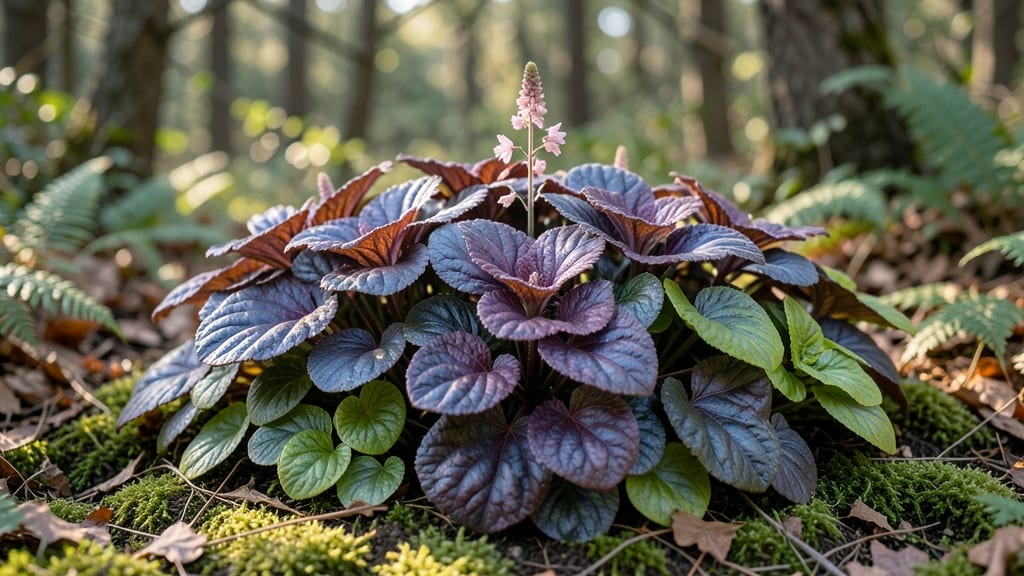
Transform your garden into a vibrant, low-maintenance paradise with these 10 short garden flowers that bloom year-round. Perfect for borders, containers, or filling gaps in your landscape, these beauties thrive in sun or shade with minimal fuss.
Sweet Alyssum: Tiny Blooms with Sweet Fragrance
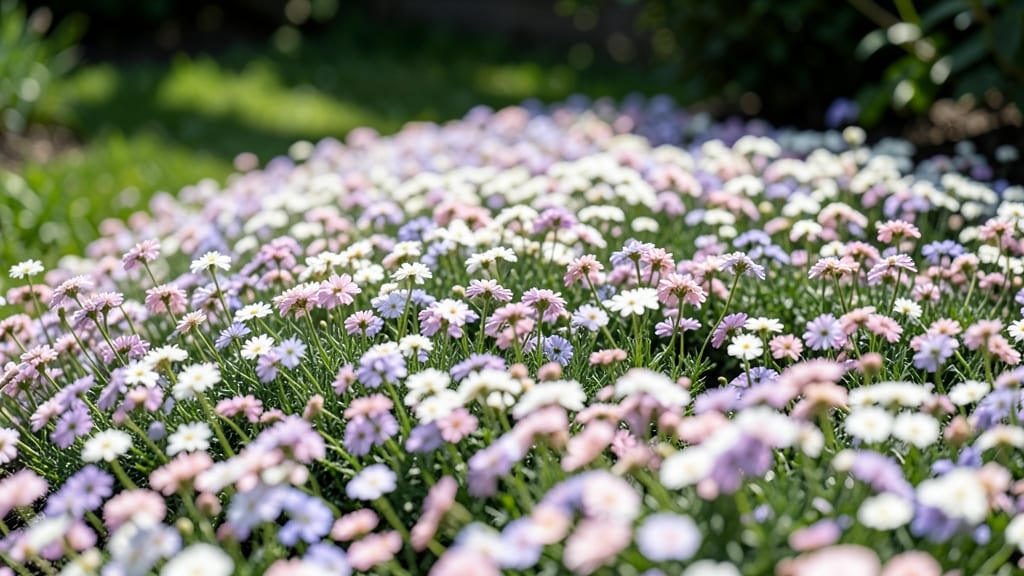
Looking for a low-maintenance flower that adds fragrance and charm to your garden without the fuss? Sweet alyssum is your perfect partner—its tiny, honey-scented blooms create a fragrant carpet that pollinators adore. This hardy annual thrives in full sun to partial shade, making it ideal for borders, containers, or even as a living mulch.
Plant seeds directly in well-draining soil after the last frost, spacing them just ¼ inch apart for a lush, continuous display. Sweet alyssum’s self-cleaning blooms mean no deadheading is needed, and its pest-repelling scent keeps aphids and other nuisances at bay. Choose from shades of white, purple, or pink to match your garden’s palette.
Perfect for beginner gardeners and urban spaces, sweet alyssum delivers year-round color with almost no effort. Its versatility makes it a must-have for pollinator-friendly gardens and fragrant pathways. 🌿
Pansies: Colorful Faces for Early Spring Gardens
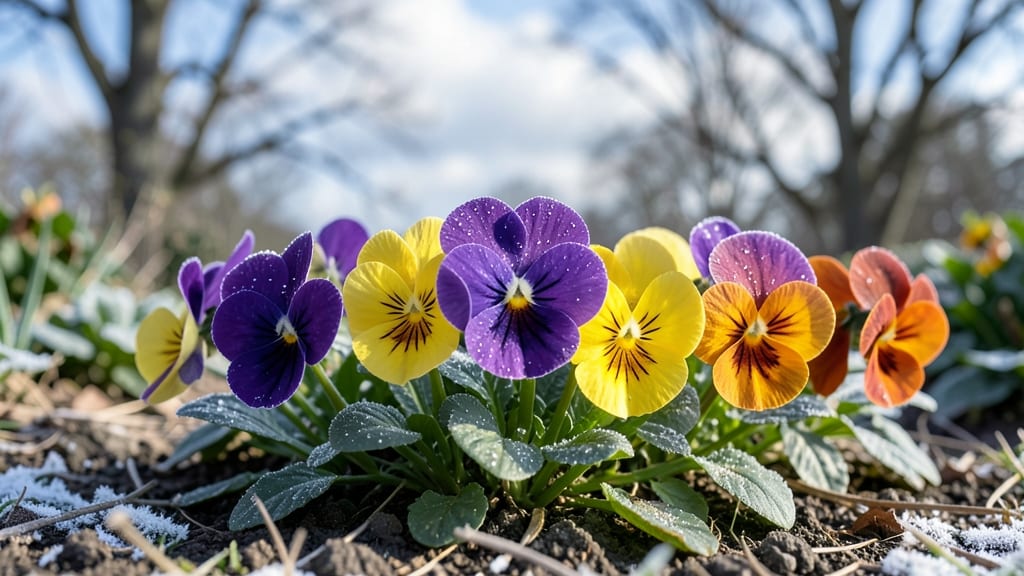
When winter’s chill lingers but you crave color, pansies are the cheerful underdogs of the garden. These cold-hardy perennials (or biennials) defy frost, blooming from late fall through early spring—sometimes even under light snow—with faces that seem to wink at you in shades of purple, yellow, orange, and white.
Plant them in well-draining soil with 4-6 hours of sun for best results, and they’ll reward you with year-round interest if deadheaded regularly. Their unique ruffled petal patterns make them stand out in containers, window boxes, or as edging for paths—ideal for urban gardeners with limited space or cottage-style borders.
Perfect for beginners, pansies thrive where other flowers falter, adding bold pops of color to dreary winter landscapes while attracting early pollinators like bees. 🌷
Violas: Delicate Cousins with Longer Blooming Seasons
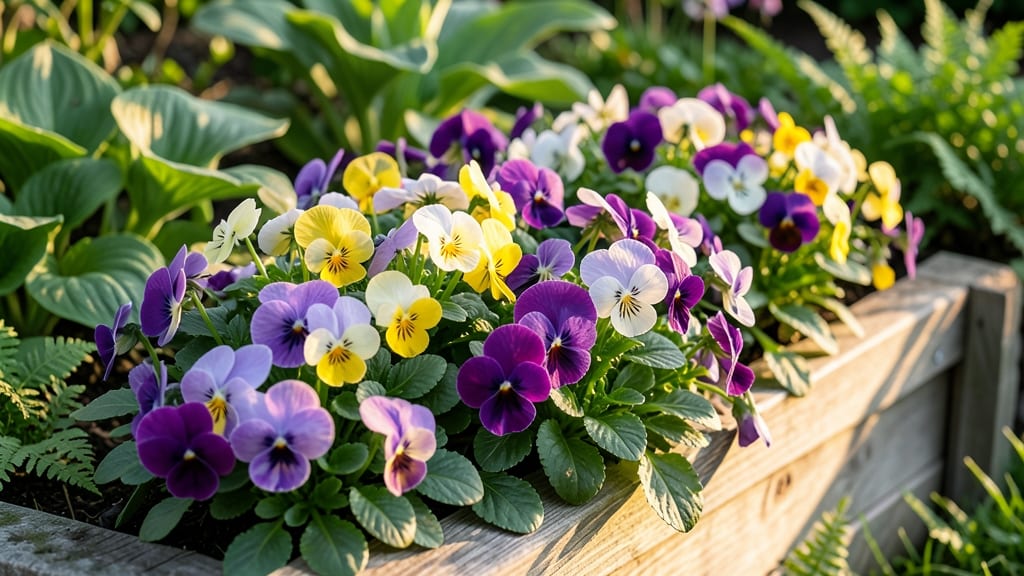
If you love pansies but want something even more versatile, violas are their compact, shade-loving cousins that outperform them in bloom duration. While pansies shine in winter, violas extend their show from early spring through late fall—ideal for filling gaps in your garden when other flowers fade.
These petite powerhouses thrive in partial shade (even under trees) and prefer well-draining soil, making them perfect for containers, hanging baskets, or window boxes. With their delicate faces in shades of purple, white, and yellow, they add charm without stealing the spotlight from taller plants. Deadhead spent blooms to encourage continuous flowering.
Urban gardeners and balcony planners will love violas—they’re low-maintenance and adaptable to small spaces. Plus, their longer blooming season means fewer replacements and more color for your effort. 🌷
Creeping Thyme: Fragrant Ground Cover with Tiny Purple Flowers
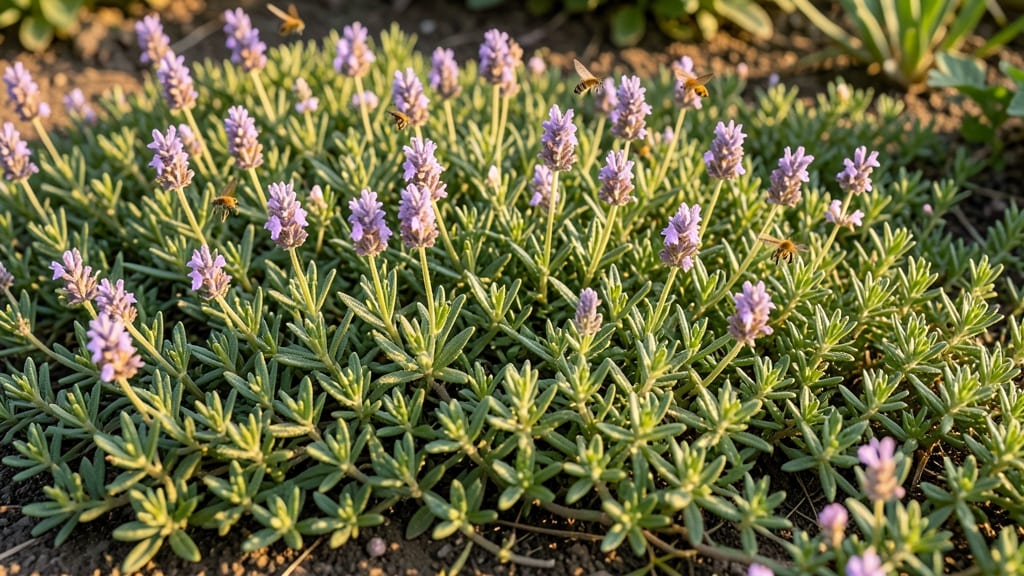
If you're tired of battling weeds while still wanting a lush, fragrant garden, creeping thyme is your secret weapon. This versatile ground cover forms a dense mat that crowds out weeds naturally, all while producing delicate tiny purple flowers that attract pollinators and fill your space with a citrusy aroma when brushed against.
Thriving in full sun and drought conditions, creeping thyme requires almost no maintenance—just occasional trimming to keep it tidy. It’s perfect for sunny borders, rock gardens, or even between stepping stones, where its soft texture and scent create a sensory delight. The best part? It’s edible too, adding a subtle flavor to culinary dishes.
Ideal for busy gardeners or those with dry climates, creeping thyme turns problem areas into fragrant, low-maintenance beauty with almost no effort. 🌿
Portulaca (Moss Rose): Succulent-Like Flowers for Hot Climates
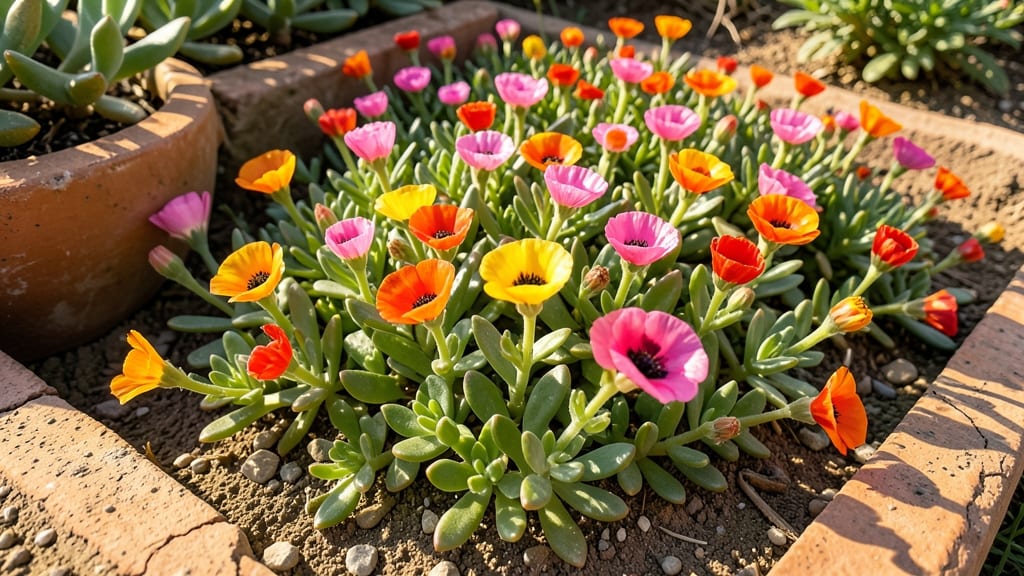
If you live in a hot, dry climate and want flowers that thrive without constant watering, portulaca (moss rose) is your secret weapon. This succulent-like annual produces bright, poppy-like blooms in shades of pink, orange, yellow, and red that stay fresh even when temperatures soar.
Plant portulaca in full sun with well-draining soil—it’s perfect for rocky gardens, containers, or even cracks in pavement. Unlike many flowers, it loves heat and actually closes its blooms at night to conserve moisture, then reopens when the sun returns. Deadhead spent flowers to encourage more blooms all summer long.
Ideal for urban gardeners, desert landscapes, or beginners, this low-maintenance plant requires almost no care beyond occasional deadheading. Its succulent-like stems store water, making it nearly indestructible in the right conditions. 🌻
Ajuga (Bugleweed): Purple Spikes in Shady Corners
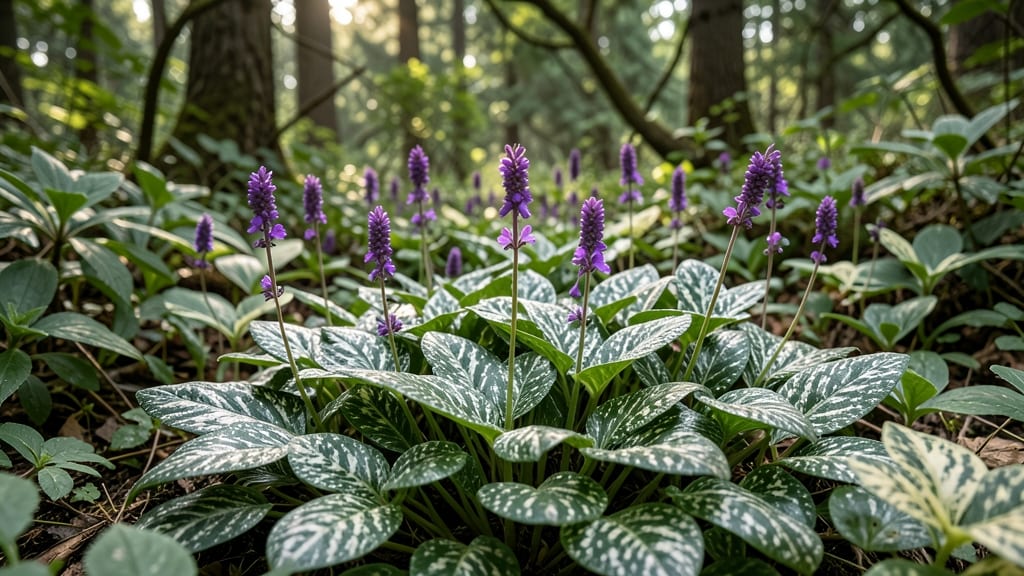
If you’ve ever struggled to find plants that thrive under trees or in deep shade, ajuga (bugleweed) is your secret weapon. This low-growing perennial spreads effortlessly while delivering striking purple flower spikes that rise above its glossy, variegated foliage—ideal for woodland gardens or tricky shaded spots.
Ajuga thrives in partial to full shade, tolerates poor soil, and even suppresses weeds thanks to its dense growth habit. Plant it in clusters for a lush carpet effect, or let it spill over container edges. Prune back flower spikes after blooming to encourage more foliage, which often develops attractive bronze or silver markings in cooler months.
Perfect for beginners or busy gardeners, ajuga requires almost no maintenance yet delivers year-round interest. Its ability to handle drought and crowd out weeds makes it a low-stress choice for understory planting. 🌿
Calendula (Pot Marigold): Edible Orange Petals for Pollinators
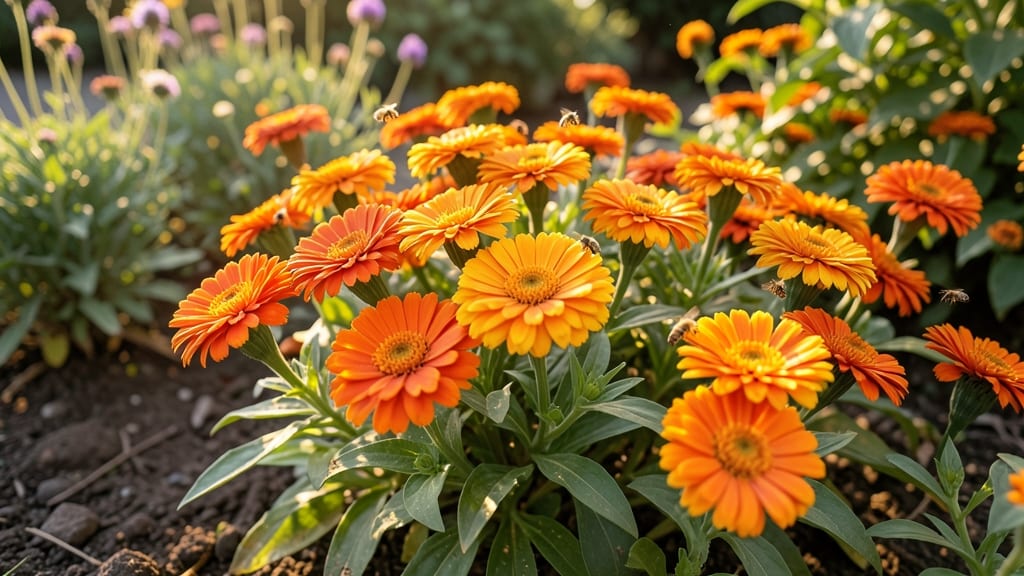
Turn your garden into a buzzing hub of activity with calendula—also known as pot marigold—whose bright orange and yellow petals double as a pollinator magnet and pest repellent. This cheerful annual thrives in full sun and blooms prolifically from early summer until frost, making it a standout in any sunny border or container.
Beyond its beauty, calendula’s edible petals add a peppery, citrusy flavor to salads, teas, or garnishes, while its strong scent deters aphids and other garden pests. Plant seeds directly in the soil after the last frost, spacing them 12-18 inches apart, and enjoy a low-maintenance flower that keeps giving all season long.
Perfect for beginner gardeners and urban container growers, calendula’s versatility and hardiness make it a must-have for both pollinator-friendly gardens and edible landscapes. 🌻
Lobelia: Blue Spikes for Hanging Baskets
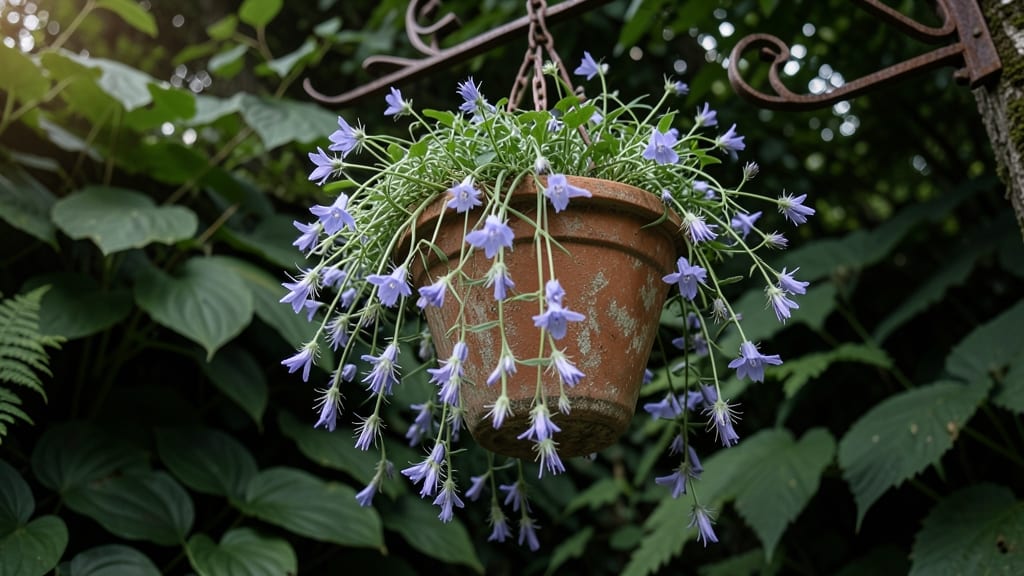
Transform shady corners into cascading blue waterfalls with lobelia, a shade-loving annual that thrives where others fade. Its delicate blue or purple spikes create a stunning vertical display when planted in hanging baskets, window boxes, or trailing over container edges.
This partial-shade specialist prefers well-draining soil and consistent moisture, making it ideal for urban balconies or woodland garden edges. Pinch back early blooms to encourage bushier growth, and enjoy flowers from late spring through frost. Deadhead spent blooms to prolong the display.
Perfect for beginner gardeners or small-space enthusiasts, lobelia adds a touch of elegance with minimal effort. Pair it with violas or ajuga for a cohesive shade garden palette. 🌷
Dianthus (Pinks): Fragrant Clusters for Sunny Beds
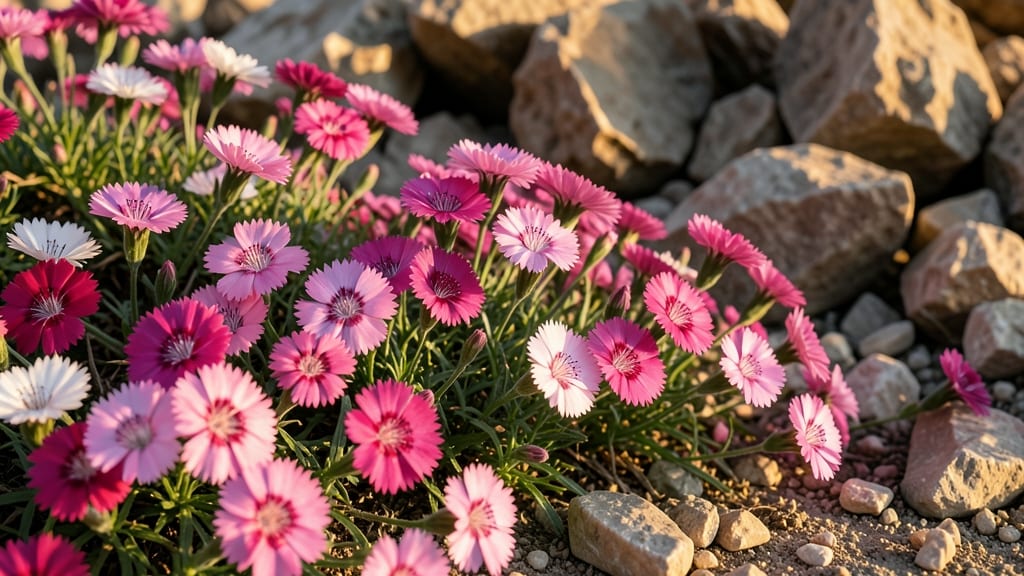
If you crave a garden that smells as good as it looks, dianthus (commonly called "pinks") delivers with their intensely fragrant clusters of flowers. Unlike many short garden flowers, these thrive in full sun while tolerating poor, rocky, or sandy soil—making them perfect for sunny borders or rock gardens where other plants might struggle.
These hardy perennials (or biennials, depending on the variety) bloom from late spring to early summer, producing clusters of tiny, textured blooms in shades of pink, red, white, or purple. Deadhead spent flowers to encourage more blooms, and water sparingly—dianthus despises soggy roots. They’re also deer-resistant, a bonus for gardeners in rural areas.
Best for gardeners who want low-maintenance, fragrant beauty without fuss, dianthus adds a nostalgic charm to cottage gardens or modern borders alike. 🌻
Coral Bells (Heuchera): Foliage-Focused Beauty with Tiny Flowers

Looking for a foliage powerhouse that steals the show without needing full sun? Coral bells (Heuchera) deliver striking leaves in deep purple, silvery blue, or lime green—long after their delicate flower spikes fade. This shade-loving perennial thrives where others struggle, making it ideal for under trees or north-facing borders.
Plant Heuchera in well-draining soil with morning sun or dappled shade, and water moderately to keep the vibrant leaves lush. Deadhead spent blooms to encourage more foliage production, and watch as it creates textural contrast in containers or garden beds. Varieties like 'Palace Purple' or 'Lime Rickey' add drama with minimal upkeep.
Perfect for urban gardeners with limited sun or those who love year-round interest, coral bells bring color when many flowers are dormant. Pair with ferns or hostas for a lush, low-maintenance shade garden. ✨