
Pests
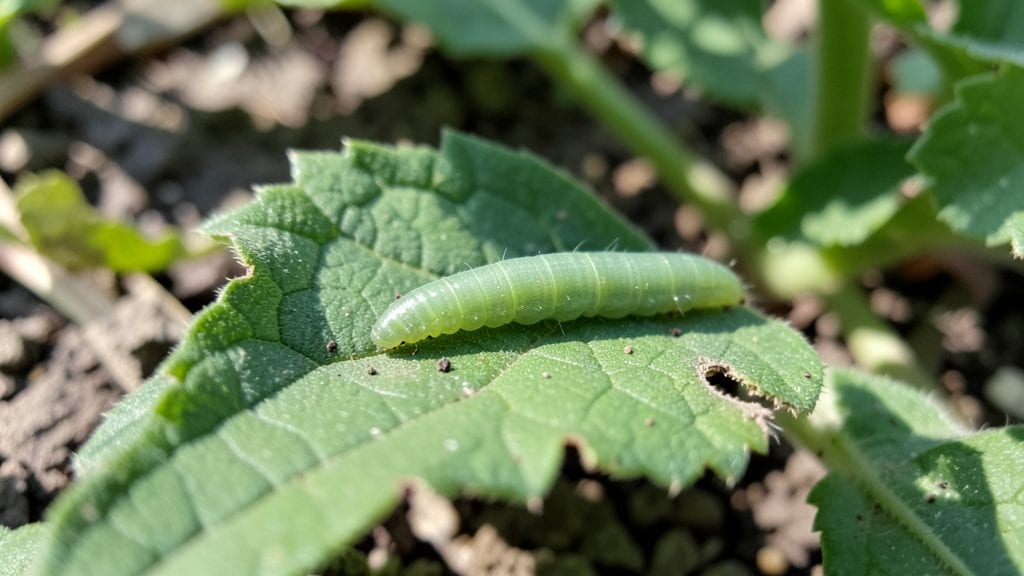
The small green worms slithering through your garden aren’t just a nuisance—they’re a sign your ecosystem is working, even if they’re munching your basil. 🌱 I’ve wrestled with these tiny green invaders for years, and here’s the truth: most aren’t pests at all.
They’re food for birds, toads, and beneficial insects that keep your garden balanced.
Cutworms, loopers, and grubs get the bad rap, but they’re usually just passing through. The real story is what’s eating them—ladybugs, ground beetles, and even chickens.
My biggest mistake? Trying to kill every worm I saw. Now I focus on protecting the predators instead, which means less work and a healthier garden long-term.
You’ll learn to tell the harmless crawlers from the destructive ones, plus simple tricks to keep the good guys thriving. Think neem oil sprays for emergencies, mulch barriers to disrupt cutworm travel, and planting dill or cilantro to attract their natural enemies. The goal isn’t eradication—it’s harmony.
Works for vegetable gardens, flower beds, and even container plants. The key is observation: watch where the damage happens, and you’ll spot the real culprits. Let’s turn those worms into allies instead of enemies.
Root Causes of Tiny Green Invaders
Unwanted garden guests like small green worms often appear due to a mix of environmental factors, plant health, and natural ecosystem imbalances. Understanding these triggers helps you take targeted action. Here’s why these critters show up—and how to address the root issues.
Small green worms, such as cutworms or loopers, thrive when their favorite plants are readily available. These pests target:
- Young seedlings (tender stems are easy to chew through)
- Leafy greens (cabbage, lettuce, spinach—high in nitrogen)
- Fruiting plants (tomatoes, peppers, eggplants—soft and nutritious)
Why it happens: Plants high in moisture and nitrogen (like freshly fertilized soil) attract egg-laying moths, which hatch into these worms. If your garden is a monoculture (one type of plant), pests focus their attacks, creating a "supermarket" effect.
Actionable fix:
- Rotate crops yearly to disrupt pest life cycles.
- Interplant with non-host plants (e.g., marigolds, basil) to confuse pests.
- Avoid over-fertilizing with nitrogen—stick to balanced organic fertilizers.
Many small green worms are the larvae of nocturnal moths, like the green looper or variegated cutworm. Adult moths lay eggs on leaves, stems, or even soil—often after dark.
Why it happens:
- Warm, humid nights (ideal for moth flight and egg-laying).
- Artificial lighting (porch lights or streetlights attract moths to your garden).
- Weedy areas (dandelions, plantains, and grasses provide hiding spots for moths).
Actionable fix:
- Reduce night lighting near gardens (use yellow bug lights or motion sensors).
- Remove weeds where moths hide during the day.
- Handpick eggs (tiny white ovals on undersides of leaves) in the morning.
Leaves, mulch, and plant residues create cozy microclimates where worms hide from predators and dry conditions. Some species, like sod webworms, even tunnel in thatch or thick mulch layers.
Why it happens:
- Thatch buildup in lawns or garden beds traps moisture and organic matter.
- Over-mulching (more than 2–3 inches) suffocates soil and attracts pests.
- Compost piles near plants may harbor eggs or larvae.
Actionable fix:
- Rake up leaf litter and debris from garden beds.
- Limit mulch depth to 2–3 inches and use arborist chips (less attractive than straw).
- Aerate lawns to reduce thatch layers where sod webworms thrive.
Temperature and moisture play a huge role in worm populations. Ideal conditions for outbreaks include:
- Cool, wet springs (perfect for egg hatching).
- Hot, humid summers (accelerates larval growth).
- Sudden rain after drought (triggers egg-laying in moths).
Why it happens:
- Mild winters allow more moths to survive and reproduce.
- Frequent irrigation keeps soil moist, extending larval survival.
Actionable fix:
- Monitor weather forecasts—take preventive action before rain.
- Adjust watering to early morning to reduce humidity on leaves.
- Use row covers in spring to block moths before they lay eggs.
Small green worms are part of a food chain, and when their natural predators decline, their numbers spike. Common predators include:
- Birds (robins, sparrows, chickadees)
- Ground beetles (voracious worm hunters)
- Spiders and parasitic wasps (lay eggs inside larvae)
Why it happens:
- Pesticide use kills beneficial insects along with pests.
- Lack of diverse plantings reduces habitat for predators.
- Urbanization limits natural predator populations.
Actionable fix:
- Avoid broad-spectrum pesticides—opt for neem oil or Bt (Bacillus thuringiensis) instead.
- Install birdhouses and bee baths to attract wildlife.
- Plant native flowers (like dill, fennel, or yarrow) to support predator insects.
Compacted or waterlogged soil creates stress for plants, making them more susceptible to pest attacks. Weakened roots and stems are easier targets for chewing larvae.
Why it happens:
- Heavy foot traffic or machinery compacts soil, reducing oxygen.
- Clay-heavy soils hold too much moisture, inviting fungal diseases and pests.
Actionable fix:
- Test soil for compaction—amend with compost or perlite.
- Improve drainage by adding sand or organic matter.
- Use raised beds in problem areas to prevent soil-borne issues.
Pro Tip: 💡 Combine these fixes for long-term control. For example, interplanting + predator support + proper mulching creates a resilient garden that naturally deters small green worms.
Natural Ways to Control Garden Worms
Discovering small green worms in your garden can be frustrating, but the good news is that many solutions focus on natural balance rather than harsh chemicals.
The key is identifying the root cause—whether it’s overwatering, poor soil health, or an imbalance in your garden’s ecosystem—and addressing it with targeted, eco-friendly fixes. Below, we’ll break down practical steps to restore harmony, from quick fixes to long-term prevention.
If your garden soil stays soggy, it creates the perfect breeding ground for sap-sucking or slug-like worms. Here’s how to dry it out and deter them:
- 🌱 Improve Drainage
- Amend heavy clay soil with compost, perlite, or coarse sand to help water drain faster.
- Raise garden beds slightly if water pools after rain.
- ☀️ Optimize Watering
- Water deeply but less frequently—early morning is best to reduce humidity.
- Avoid overhead sprinklers; use drip irrigation or soaker hoses to keep foliage dry.
- 🪴 Use Mulch Strategically
- Apply straw or pine needles (avoid thick organic mulch, which traps moisture).
- Keep mulch 2–3 inches away from plant stems to prevent rot.
Many small green worms are food for birds, beetles, and predatory insects. Encourage these helpers to keep populations in check:
- 🐦 Attract Bird Friends
- Install birdhouses, feeders, or shallow water dishes to lure robins, sparrows, and wrens—natural worm hunters.
- Plant native berry bushes (like elderberry or serviceberry) to provide year-round food.
- 🐞 Invite Ground Beetles & Spiders
- Leave leaf litter or bare soil patches in corners of the garden for beetles to thrive.
- Avoid broad-spectrum pesticides; they kill both pests and predators.
- 🐸 Create a Frog & Toad Habitat
- Place a small pond or shallow dish of water with rocks for amphibians to hide under.
- Frogs eat cutworms and slugs—key competitors for garden space.
For a quick win, manually remove visible worms, especially if they’re damaging young plants:
- 🔪 Best Time to Act
- Early morning or after rain when worms are sluggish and easier to spot.
- Wear gloves and use a trowel or damp cloth to gently lift them into soapy water.
- 🚫 Dispose of Them Safely
- Drop them in soapy water (to kill them humanely) or relocate them to a compost pile far from plants.
- Avoid crushing them—it can spread eggs or attract scavengers.
- ⏰ Frequency Matters
- Check 2–3 times per week during peak worm season (spring/fall).
- Focus on newly planted seedlings and tender leaves.
Healthy soil supports strong plants that resist pests naturally. Try these soil boosters:
- 💡 Test Your Soil
- Use a DIY pH test kit (available at garden centers). Aim for 6.0–7.0—most worms thrive in slightly acidic to neutral soil.
- If too alkaline, add sulfur or composted pine needles; if too acidic, use lime.
- 🥗 Feed the Good Microbes
- Mix in worm castings (vermicompost) or mycorrhizal fungi to strengthen plant roots.
- Rotate crops annually to prevent nutrient depletion.
- 🎯 Plant Resistant Varieties
- Choose worm-resistant plants like marigolds, basil, or nasturtiums as border plants.
- Avoid over-fertilizing with nitrogen—it attracts soft-bodied pests.
If worms persist despite your efforts, try these last-resort natural remedies:
- 🌿 Diatomaceous Earth (Food-Grade)
- Sprinkle a thin layer around plants (not on leaves). It dehydrates worms without harming plants.
- Reapply after rain—it loses effectiveness when wet.
- 🍋 Vinegar or Salt Spray (Spot Treatment)
- Mix 1 tbsp vinegar or salt per gallon of water and spray directly on worms (avoid healthy plants).
- Warning: This can harm soil microbes—use sparingly.
- 🌙 Use Traps for Cutworms
- Roll newspaper around stems of young plants and secure with a rubber band. Worms will climb in overnight—dispose of them in the morning.
Remember: Patience is key. A balanced garden takes time to restore, but these methods will reduce worms naturally while keeping your plants thriving. 🌱✨
Frequently asked questions
Are all small green worms in my garden harmful to plants?
Not necessarily! Many are actually beneficial or harmless. Green worms like cutworms or loopers can damage plants, but others—such as earthworm larvae—help aerate soil. Focus on identifying the specific type and its behavior before deciding to remove it.
What’s the best time of day to spot and remove these worms?
Early morning or right after rain is ideal! Worms are sluggish and easier to see when soil is damp. Check under leaves, near stems, and in mulch—these are their favorite hiding spots. Avoid midday when they burrow deeper to escape heat.
Can I use coffee grounds to deter small green worms?
Yes, but with caution. Coffee grounds repel some pests due to their acidity, but they can also attract others (like slugs) if overused. Sprinkle a thin layer around plants, but avoid over-application—it may harm soil microbes over time.
Why do I keep seeing these worms even after treating my garden?
Worms reproduce quickly, and their eggs may still be in the soil. If you’ve tried natural remedies, focus on preventing new infestations: improve drainage, attract predators (like birds or beetles), and avoid overwatering. Consistency is key—check weekly during peak seasons.
Are there any plants that naturally repel small green worms?
Plant marigolds, basil, or nasturtiums near vulnerable crops—their strong scents deter many worm species. You can also interplant garlic or chives, as their aroma confuses pests. These act as natural barriers without chemicals.