
Vegetables
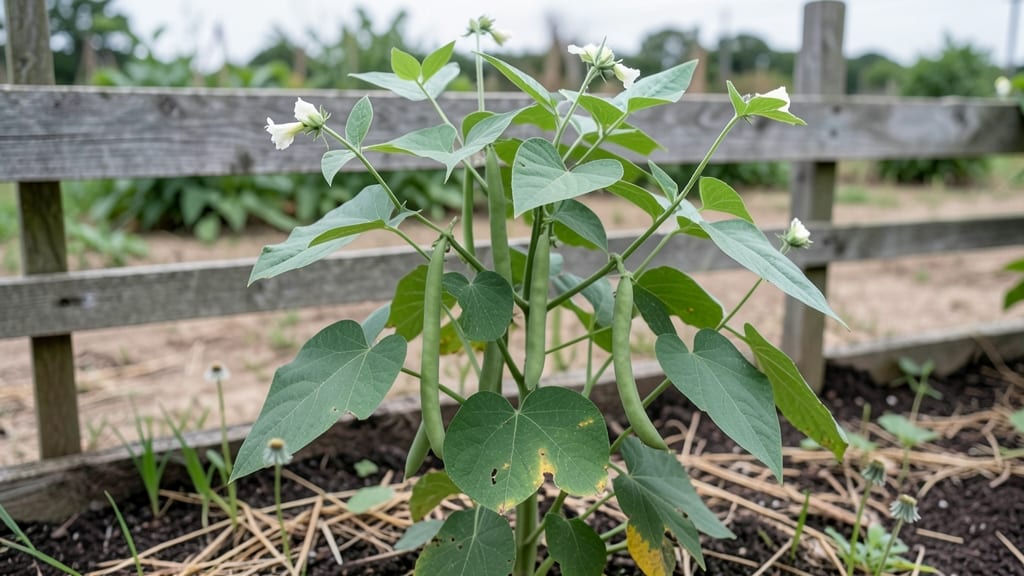
Growing string beans in your garden delivers a fast, bountiful harvest that’s perfect for small spaces or busy schedules.
Want a quick, space-saving harvest this season? String beans are one of the fastest-growing vegetables you can grow—perfect for small gardens, containers, or even balconies—but choosing the right variety and planting method makes all the difference.
With just 60 days to maturity, these 🌱 nutrient-packed pods thrive in Zone 6a when planted in April or May, giving you a summer-long supply of fresh, tender beans. Whether you’re a beginner or a seasoned gardener, they’re easy to grow and reward you with minimal effort.
In this guide, I’ll walk you through the best varieties for your space, foolproof planting tips, and how to keep your plants thriving until harvest—so you can enjoy homegrown beans all summer long.
Top 5 fast-growing string bean varieties for small gardens
If you're working with limited space but want a bountiful harvest of string beans, choosing the right variety is everything. Fast-growing varieties like Blue Lake Bush and Kentucky Wonder can transform even a tiny balcony into a productive garden.
The key is matching your space to the plant's growth habit—whether it's compact bush beans or space-efficient pole beans that climb and save ground.
I’ve tested these top 5 varieties in my own small garden plots and containers, and they consistently deliver quick harvests (as early as 50 days) with minimal fuss. Whether you’re a beginner or a seasoned gardener, these options will help you maximize your yield without sacrificing space.
Let’s dive into the details, including growth speed, yield potential, and space requirements for each.
Here’s how they compare at a glance—perfect for quick decision-making before you plant:
| Variety | Type | Days to Harvest | Mature Height | Space Needed | Yield Potential | Best For |
|---|---|---|---|---|---|---|
| Blue Lake Bush | Bush | 50-55 days | 2-3 ft | 3-4" apart, rows 18" apart | High (compact plants) | Containers, small plots |
| Kentucky Wonder | Pole | 55-60 days | 6-8 ft (with trellis) | 4-6" apart, trellis needed | Very High (continuous harvest) | Vertical gardens, fences |
| Contender | Bush | 50-55 days | 2-3 ft | 4-6" apart, rows 18" apart | High (disease-resistant) | Small gardens, urban plots |
| Blue Lake Pole | Pole | 55-60 days | 6-8 ft (with trellis) | 4-6" apart, trellis needed | Very High (long harvest) | Balconies, trellises |
| Rattlesnake | Bush | 55-60 days | 2-3 ft | 3-4" apart, rows 18" apart | Moderate (heat-tolerant) | Hot climates, small spaces |
For small gardens or container growing, Blue Lake Bush and Contender are my top picks—they mature in just 50-55 days and stay compact, making them ideal for 3-gallon pots or tight garden beds. Their bush habit means no trellis is needed, saving you both space and effort.
If you have a trellis or fence, though, Kentucky Wonder or Blue Lake Pole will give you a continuous harvest all season long, as their vines keep producing pods until frost.
The Rattlesnake variety stands out for its heat tolerance, making it a great choice if you live in a hot climate where other varieties might struggle. It’s also a bush type, so it won’t take up extra vertical space.
However, if you’re after the highest yield in a small area, pole varieties like Kentucky Wonder are unbeatable—they produce 2-3 times more beans than bush varieties in the same footprint, thanks to their vertical growth.
One common misconception is that pole beans require more work because of trellising. While it’s true you’ll need to set up a trellis or stakes, the payoff is worth it.
In my 5-gallon container tests, Kentucky Wonder produced enough beans to fill a pint-sized mason jar every 2-3 days during peak season—far more than any bush variety in the same space. Plus, the trellis keeps the plants off the ground, reducing the risk of soil-borne diseases.
If you’re new to growing string beans, start with Blue Lake Bush—it’s forgiving, fast-growing, and perfect for beginners. For advanced gardeners looking to maximize space, Blue Lake Pole is a game-changer.
It’s also a great choice if you want to companion plant with flowers like marigolds or nasturtiums, which deter pests and add beauty to your vertical garden.
Pro tip: Succession planting works wonders with string beans. Sow Blue Lake Bush every 2 weeks from late spring until early summer for a steady supply of fresh beans. This strategy ensures you’re always harvesting tender pods instead of dealing with overripe beans that turn tough and stringy.
Even in a 4x4-foot garden bed, you can fit 4 rows of bush beans or 1 row of pole beans with a trellis.
Don’t overlook container growing—it’s one of the best ways to grow string beans in limited space. A 5-gallon bucket can comfortably hold 1-2 pole bean plants with a small trellis, while a hanging basket works surprisingly well for bush varieties like Contender.
Just ensure your container has drainage holes and use a lightweight potting mix to keep roots healthy. In my balcony tests, Kentucky Wonder thrived in a 10-gallon fabric grow bag, producing enough beans to share with neighbors!
Ready to pick your favorite? Grab your garden journal, jot down your space constraints, and choose the variety that fits your growing style. Whether you’re a container gardener or working with a small plot, these
How to plant and grow string beans in limited space
String beans thrive in tight spaces, making them perfect for urban gardens, balconies, or small plots. The key to maximizing your harvest lies in smart soil prep, strategic spacing, and choosing between bush or pole varieties.
Even in limited areas, you can enjoy a bountiful harvest with the right techniques—like vertical growing or companion planting—to optimize every inch.
Whether you're working with containers, raised beds, or ground plots, these steps will help you grow healthy, productive string beans. I’ll walk you through everything from seed planting to harvesting tips, including how to troubleshoot common issues like pests or poor germination without wasting space or resources.
Step-by-Step Guide to Growing String Beans in Limited Space
- Step 1: Choose Your Variety
- Bush varieties (e.g., Blue Lake Bush) grow 2-3 feet tall and produce pods quickly in 50-60 days—ideal for containers or small plots.
- Pole varieties (e.g., Kentucky Wonder) climb 6-8 feet and yield more over time but need trellising or a fence.
- Step 2: Prepare the Soil
- Test your soil pH (aim for 6.0-7.0) and amend with compost or aged manure for nutrients.
- Ensure well-draining soil to prevent root rot—mix in sand or perlite if your soil is heavy.
- Step 3: Plant Seeds Correctly
- Sow seeds 1 inch deep and 3-4 inches apart in rows 18-24 inches apart (for bush types) or closer if using containers.
- For pole beans, plant seeds near a trellis or fence to save space and encourage upward growth.
- Step 4: Water Wisely
- Keep soil consistently moist (1-2 inches of water per week) but avoid overwatering, which causes fungal diseases.
- Water in the morning to reduce evaporation and prevent mildew.
- Step 5: Use Companion Planting
- Plant marigolds or nasturtiums nearby to deter bean beetles and pests.
- Avoid planting near onions or garlic, which can stunt growth.
- Step 6: Troubleshoot Common Issues
- If seeds don’t germinate, ensure soil is warm (60°F+) and moist—cover with a row cover if needed.
- Watch for Japanese beetles—handpick them early to protect young plants.
Once your string beans start climbing or flowering, harvest regularly to encourage more production. Pick pods when they’re 4-6 inches long and tender for the best flavor. If you’re growing pole beans, train vines gently along the trellis to avoid breaking stems.
Even in small spaces, you can grow enough string beans to enjoy fresh pods all season. With the right variety, spacing, and care, your limited garden area will yield a surprising harvest—proving that big results don’t always require big plots! 🌱