
Tools
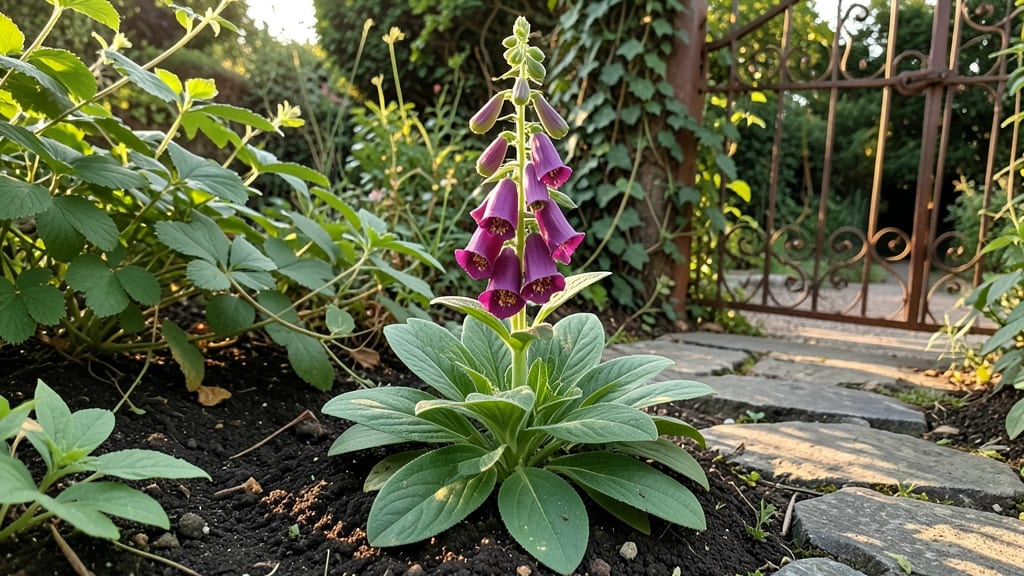
The mysterious garden isn't just a space—it's an experience waiting to unfold. 🌿 I stumbled upon this concept after designing a hidden corner where silver birch trees cast shifting patterns on mossy stones, and something about the dappled light felt like stepping into a storybook.
The magic lies in blending plants, textures, and structures that invite exploration while demanding almost no upkeep.
Think velvety black roses tangled around wrought-iron arches, night-blooming jasmine releasing its perfume at dusk, and moonflowers that open only under moonlight. Layer in rusted metal trellises, weathered slate steps, and a gravel path that disappears into the foliage.
The key is mixing evergreens for structure with seasonal blooms that reveal themselves like secrets—no pruning, no fuss, just quiet transformation.
What you'll create is a space that feels alive even when you're not looking. The air hums with the scent of crushed thyme between your toes, the sound of leaves whispering in the breeze, and the occasional flash of fireflies at twilight.
It's the kind of garden that makes neighbors pause and wonder what's beyond the overgrown hedge—without requiring a single weekend of labor.
Works equally well as a backyard retreat, a front yard that invites curiosity, or even a small urban courtyard. The layout adapts to any size, from a single raised bed to an entire woodland edge.
Here's how to weave the mystery into your own space without losing yourself in the process.
📚 In This Guide
- What you need
- Instructions
- Tips and common mistakes
- Wrapping up and next steps
What you need
- ● Plants: 5–10 low-maintenance shrubs (e.g., boxwood, hydrangeas, or dwarf lilacs)
- ● 3–5 climbing plants (e.g., clematis, ivy, or jasmine for vertical charm)
- ● 1–2 ornamental grasses (e.g., fountain grass or maiden grass for texture)
- ● 10–15 perennials (e.g., lavender, coneflowers, or hostas for color)
- ● Structural Elements: 1–2 trellises or arbors (6–8 ft tall, metal or wood)
- ● 3–5 decorative planters (mix of hanging and ground-level)
- ○ 1–2 garden benches or a small seating nook (optional but magical!)
- ● Tools: Garden trowel (for planting)
- ● Pruners (bypass or anvil type)
- ● Wheelbarrow or garden cart (for hauling soil/plants)
- ● Measuring tape (25 ft)
- ● Garden gloves (for protection)
- ● Fairy lights or solar-powered path lights (for enchanting evenings)
- ● Wind chimes or a small fountain (for soothing ambiance)
- ● Moss or pebbles (to create a "mystical" ground cover)
- ● Arched gate or lattice panel (to frame entrances like a secret door)
- ● DIY garden markers (e.g., painted stones or whimsical signs)
- ● ✨ Soil prep: Test your soil’s pH and amend with compost for thriving plants.
- ● 🌱 Plant selection: Choose native or drought-resistant varieties to cut maintenance.
- ● 📏 Layout: Sketch a rough design first—even a simple path or focal point adds mystery!
Instructions for designing your whimsical, low-maintenance privacy garden
Here's how to craft a magical hideaway that thrives with minimal effort and maximum enchantment.
🌿 Step 1: Select Your Enchanted Vibe and Base Plants
Start by choosing a theme that resonates—whether it's a fairy glade, a moonlit bamboo grove, or a cottagecore herb spiral. I always begin with 4 core plant types that naturally create privacy: evergreen shrubs for structure, fast-growing climbers for vertical drama, textured grasses for movement, and fragrant flowers for sensory magic.
For the evergreen backbone, I recommend boxwood, holly, or dwarf conifers—they hold their leaves year-round and create a lush green curtain. Plant them in staggered rows with 2-3 feet spacing between each shrub. This spacing ensures they'll fill in beautifully without competing for sunlight.
🪴 Step 2: Layer With Vertical and Ground Cover Elements
Now, add the vertical players—clematis, jasmine, or climbing roses—to weave through trellises or arbors. I like to install 4-6 trellises along the perimeter, positioning them so vines can intertwine naturally. For ground cover, creeping thyme, ajuga, or mondo grass create a living carpet that suppresses weeds and adds texture.
Here's the trick: plant ground covers 3-4 inches apart in a staggered pattern. This mimics nature's randomness and prevents bare spots. Water them deeply right after planting—1 gallon per plant—to encourage root establishment without over-saturating.
☀️ Step 3: Add Whimsical Accents and Strategic Lighting
This is where the magic happens. Scatter wind chimes, solar-powered fairy lights, or vintage lanterns along pathways or draped through branches. I like to place 2-3 solar lights at varying heights—some near the ground, others mid-canopy—to create a dreamy glow at dusk.
For lighting, string lights with warm white bulbs (2700K) cast the softest glow. Position them 6-8 feet above the ground so they illuminate foliage without creating harsh shadows. If you're adding a focal point like a bench or arbor, wrap lights around it for an instant gathering spot.
💧 Step 4: Establish a Low-Maintenance Watering System
The key to low-maintenance enchantment is drip irrigation or soaker hoses. Install a 4-foot-long soaker hose along the base of your shrubs and run it through the center of ground cover beds. Set your timer for 15-20 minutes every 3 days during the first month, then adjust based on rainfall.
I always bury the hose 1-2 inches deep and cover it with mulch to prevent sunlight from degrading it. This system delivers water right to the roots, reducing evaporation and keeping your garden lush without daily attention. Add 2 inches of mulch (like shredded bark) around plants to retain moisture and deter weeds.
⏰ Step 5: Prune and Refine for Seasonal Harmony
Twice a year—early spring and late fall—give your garden a gentle trim. Remove any dead or overgrown branches from shrubs, and cut back climbers by one-third to encourage bushier growth. I like to shape boxwoods into soft, rounded forms with clean, curved cuts—this keeps them looking intentional, not manicured.
In late summer, deadhead spent flowers from your fragrant plants to prolong blooming. This simple step ensures your garden stays vibrant without requiring constant upkeep. Watch for new growth at the tips of branches—this is your cue that pruning was successful and the plants are thriving.
Tips & tricks for perfect enchanted privacy gardens
Creating a magical privacy garden isn't just about planting—it's about layering intention with nature. Here are the secrets that'll transform your space into a true sanctuary.
Plant Placement Precision: When arranging your 4 core plant types in Step 1, consider the mature size of each plant. Place taller evergreen shrubs like boxwood or holly at the back, then layer climbers like clematis or jasmine in front. This creates natural depth and prevents your garden from looking flat. I recommend sketching a simple layout first—trust me, this saves hours of rearranging later.
Climber Training Technique: In Step 2, when installing your 4-6 trellises, position them diagonally rather than straight up and down. This creates a more organic, intertwining effect that looks intentionally wild. For climbing roses, I like to weave them in a figure-eight pattern around the trellis—it encourages bushier growth and more dramatic blooms. Remember, the goal is to mimic nature's random beauty, not create geometric perfection.
Lighting Layering Strategy: For Step 3's magical accents, think vertically when placing your 2-3 solar lights. Install some lights at ground level to illuminate pathways, others at mid-height to highlight foliage, and a few near the top to create a canopy effect. I always use warm white bulbs (2700K) because they cast the softest, most enchanting glow. Pro tip: Place a few lights just above seating areas to create intimate pockets of light.
Watering System Wisdom: The 15-20 minute watering in Step 4 is your foundation for low-maintenance success. Here's what I've learned: bury your 4-foot soaker hose in a zigzag pattern rather than straight lines. This creates more even water distribution and prevents hose marks in your mulch. Also, consider adding a rain sensor to your timer—it'll automatically pause watering during rainfall, saving you water and effort.
Pro Tips for The Mysterious Garden
- Creating a magical privacy garden isn't just about planting—it's about layering intention with nature.
- Plant Placement Precision: When arranging your 4 core plant types in Step 1, consider the mature size of each plant.
- Climber Training Technique: In Step 2, when installing your 4-6 trellises, position them diagonally rather than straight up and down.
Frequently asked questions
What’s the easiest way to start a mysterious garden without much experience?
A mysterious garden thrives on simplicity! Begin with low-maintenance plants like lavender, boxwood, or ornamental grasses—they’re hardy and add instant intrigue. Use pre-cut lattice panels or bamboo screens for quick privacy. Even a single twisting vine-covered trellis can transform a small space into an enchanting hideaway. Start small, experiment, and let nature do the rest!
How long does it take for a mysterious garden to feel "mysterious"?
That depends on your vision! A basic layout with plants and screens can feel magical in just a few weeks as vines climb and foliage fills in. For a fully lush, "secret" vibe, plan for 3–6 months, especially if using slow-growing climbers like clematis or wisteria. Pro tip: Add strategic lighting (solar-powered fairy lights or lanterns) to enhance the mood instantly!
Are there budget-friendly alternatives to expensive garden screens or trellises?
Skip pricey materials with these DIY swaps:
- Bamboo rolls or woven willow fencing (often under $20 each at garden centers).
- Upcycled pallets or wooden crates painted in dark tones for a rustic look.
- Living walls made from stacked stones or driftwood—free if foraged!
- Thrifted fabric or sheer curtains draped over frames for a soft, dreamy effect.
Mix and match for a one-of-a-kind garden on any budget!
How do I keep pests away without chemicals in a mysterious garden?
Pests hate natural barriers and companion planting! Try these tricks:
- Plant pest-repelling herbs like lavender, rosemary, or mint near entry points.
- Use copper tape (inexpensive and effective) around raised beds to deter slugs.
- Encourage beneficial insects like ladybugs with marigolds or dill.
- Mulch heavily with cedar chips or pine needles to suppress weeds and deter burrowing pests.
Bonus: A healthy, diverse plant mix makes your garden less appealing to pests!
Will a mysterious garden work in full sun, shade, or partial shade?
Yes! The key is plant selection. Here’s a quick guide:
| Light Condition | Best Plants | Privacy Solutions |
|---|---|---|
| Full Sun (6+ hours) | Lavender, boxwood, sun-loving vines (passionflower), succulents | Bamboo screens, lattice with climbing roses |
| Partial Shade (3–6 hours) | Hostas, ferns, hydrangeas, ivy, clematis | Sheer fabric drapes, trellises with wisteria |
| Full Shade (under 3 hours) | Caladiums, Japanese painted ferns, hellebores | Dark-colored wooden screens, moss-covered stones |
Pro tip:
If your space is tricky, mix shade-tolerant and sun-loving plants in layers for depth!
Wrapping up and next steps
The Mysterious Garden isn’t just a space—it’s an escape into wonder, where nature’s magic thrives with minimal effort. Whether you’re drawn to hidden pathways, lush foliage, or serene corners, these layouts prove that privacy and whimsy can coexist beautifully. 🌿✨
Now that you’re inspired, why not take the first step? Start small—sketch a corner of your yard, gather a few materials, and let your creativity bloom. The garden of your dreams is waiting!
Ready to transform your space?