
Pests
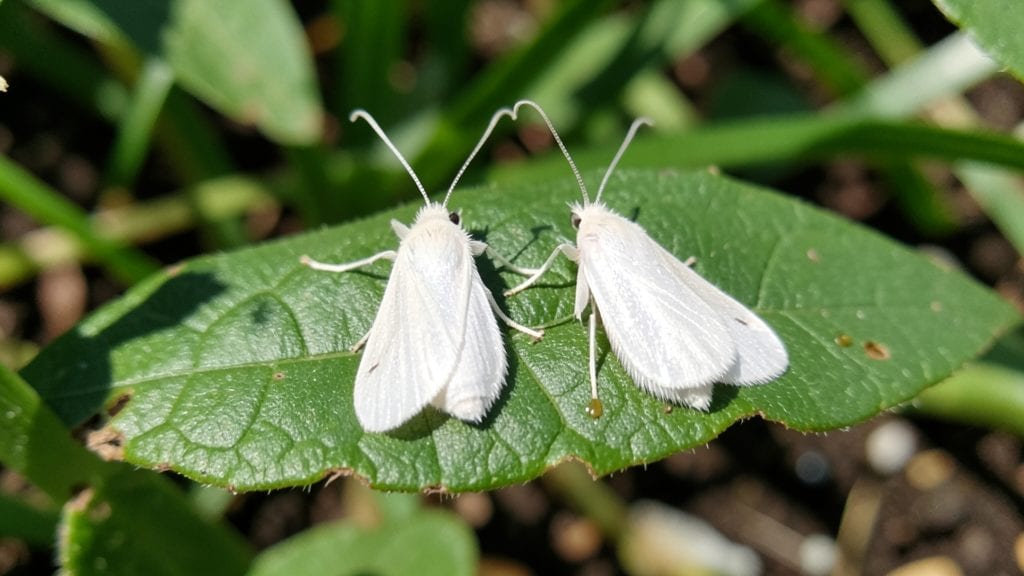
Tiny white moths in your garden aren’t just a nuisance—they can strip plants bare in days if you don’t act fast. I’ve battled these pests for years, and I’ve learned which traps actually work without harsh chemicals.
The key is catching them early, before they lay eggs on your most vulnerable plants.
These moths—often cabbage moths or whiteflies—love tender greens like kale, broccoli, and cabbage. They lay eggs on the undersides of leaves, and within days, you’ve got hungry caterpillars devouring your harvest.
The good news? Simple traps like yellow sticky cards or pheromone lures can cut their numbers by 90% in just a week.
You’ll see results fast with these organic methods: sticky traps, neem oil sprays, and row covers that block adults from reaching your plants. The best part? No chemicals mean safe veggies for your table and happy pollinators in your garden. Let’s get them under control before they take over.
Works for any garden size, from balcony containers to full plots. Here’s exactly how to set up the traps and when to check them for maximum effectiveness.
Root Causes Of Garden Visitors
Discovering tiny white moths fluttering around your garden isn’t just a nuisance—it’s often a sign of deeper ecological or environmental factors at play. These delicate insects, often belonging to the Yponomeuta or Phalaena families, don’t just appear randomly.
Their presence is usually tied to specific conditions that make your garden an irresistible buffet or breeding ground. Let’s break down the key reasons these moths invade your outdoor space and how their behavior connects to your garden’s health.
Tiny white moths, particularly species like the white-marked tussock moth or ermine moth, are highly selective feeders. Their larvae (caterpillars) thrive on specific host plants, often native shrubs, trees, or even ornamental plants. If your garden is a haven for their favorite foliage—such as:
- Willow (a magnet for many moth species)
- Birch (especially young, tender leaves)
- Apple, cherry, or plum trees (larvae love the buds and blossoms)
- Honeysuckle or lilac (common in suburban gardens)
- Boxwood or viburnum (often targeted by ermine moth caterpillars)
you’ve essentially rolled out the welcome mat. Adult moths lay eggs in clusters on these plants, and once the larvae hatch, they’ll devour the leaves voraciously. Pro tip: 💡 If you’ve noticed sudden defoliation on a single plant species, that’s your first clue—it’s not a random attack, but a targeted feast.
Moths, including tiny white varieties, are nocturnal navigators that rely on light sources to orient themselves. Unfortunately, your garden’s outdoor lights—whether from string lights, porch fixtures, or even moonlight reflecting off surfaces—can disorient them. Here’s why:
- Artificial lights mimic moonlight, tricking moths into flying in erratic patterns around your home.
- UV or white LED bulbs are especially attractive to moths, as they emit wavelengths similar to those of flowers (which moths use to find nectar).
- Dark-colored surfaces (like patio furniture or siding) can absorb heat during the day and radiate it at night, creating a "heat signature" that moths follow.
🔥 Actionable fix: Switch to yellow bug lights (which emit longer wavelengths that moths avoid) or use motion-activated lights that only turn on when needed. Timers set to shut off lights by midnight can also reduce moth traffic.
Tiny white moths, especially those in the Pyralidae family (like the Indian meal moth or clothes moth variants that wander outdoors), are drawn to decaying organic material. If your garden has:
- Compost piles (especially if they’re too hot or damp, creating anaerobic conditions)
- Leaf litter or mulch buildup near foundations or sheds
- Rotted wood or bark mulch that’s breaking down
- Stored firewood or cardboard left outdoors (a haven for moth eggs)
you’re providing the perfect nursery. Larvae burrow into decaying matter to pupate, and adult moths emerge to seek new food sources—often your prized plants. Pro tip: 🌡️ Regularly turn and aerate compost piles to raise the temperature (above 140°F), which kills moth eggs and larvae.
Tiny white moths are highly sensitive to temperature and humidity. Global climate shifts and microclimates in your garden can create ideal conditions for their populations to explode. Here’s how:
| Factor | How It Affects Moths |
|---|---|
| Mild winters | Fewer moths die off in cold snaps, allowing populations to survive and reproduce earlier in the year. |
| Wet springs | Excess moisture softens plant leaves, making them easier for larvae to consume. |
| Drought-stressed plants | Weakened foliage is more vulnerable to defoliation, and moths detect chemical changes in stressed plants. |
| Urban heat islands | Cities retain heat, creating warmer microclimates that extend moth activity into fall and winter. |
🎯 Long-term strategy: Introduce native pollinator plants (like milkweed or coneflowers) to compete with moth host plants and attract natural predators like birds and parasitic wasps.
Understanding why these moths show up is the first step to outsmarting them. Once you identify the triggers in your garden—whether it’s a favorite host plant, a glowing porch light, or a neglected compost pile—you can disrupt their lifecycle before they become a full-blown infestation.
The next section will dive into targeted traps and remedies to send them packing for good.
Natural Ways to Outsmart Garden Pests
Tiny white moths—often Indian meal moths, cabbage moths, or fungus gnats—can turn your garden into a buffet without you noticing. But don’t reach for harsh chemicals just yet! These pests respond well to targeted, eco-friendly fixes that protect your plants and the environment.
Below, we’ve mapped out cause-specific solutions so you can tackle the problem at its source—plus prevention tips to keep your garden moth-free for good.
Cause: Indian meal moths or pantry pests love dark, moist spots like compost bins, mulch piles, or unsealed food containers.
How to Stop Them:
- 🍳 Seal Food & Garden Waste Store grains, seeds, and pet food in airtight glass or metal containers (moths can’t chew through them!). For compost, use a lidded bin with small ventilation holes (¼ inch max) to block adults but allow airflow.
- 👨🍳 Freeze Suspect Items If you spot webbing or larvae in stored goods, freeze them for 4 days to kill eggs and adults. Discard anything with holes or frass (moth poop).
- 🥘 Pheromone Traps for Early Detection Place Indian meal moth traps near stored items or compost. These traps disrupt mating cycles—remove and replace them every 2–3 months for best results.
💡 Pro Tip: Sprinkle diatomaceous earth (DE) around compost bins or stored items. It’s non-toxic to plants but dehydrates moths on contact. Reapply after rain.
Cause: Cabbage moths (or diamondback moths) lay eggs on broccoli, kale, or cabbage, and their larvae devour leaves in days.
How to Stop Them:
- 👨🍳 Row Covers & Netting Use floating row covers over young plants to block adults from laying eggs. Secure edges tightly—even a ¼-inch gap lets moths slip through!
- 🥘 Handpick Eggs & Larvae Inspect leaves daily (especially undersides) for tiny white eggs or green/black larvae. Drop them into soapy water—this prevents hatching.
- 🔪 Companion Planting Trick Plant basil, dill, or thyme near brassicas (cabbage family plants). These herbs repel moths naturally with their strong scents.
🌡️ Prevention Hack: Rotate crops yearly—moths rely on finding the same plants. Confuse them by switching where you grow susceptible veggies.
Cause: Fungus gnats (tiny white moths with long legs) thrive in overly moist potting soil, especially in houseplants or seedling trays.
How to Stop Them:
- 🍳 Let Soil Dry Between Waterings Fungus gnats hate dry conditions. Water plants only when the top 1–2 inches of soil are dry, and avoid saucers that trap excess moisture.
- 👨🍳 Yellow Sticky Traps Place yellow sticky cards near infected plants. Fungus gnats are drawn to yellow—this catches adults before they lay eggs.
- 🥘 Beneficial Nematodes or Bti For severe infestations, use Bacillus thuringiensis israelensis (Bti), a natural bacteria that kills larvae without harming plants. Mix it into water and apply to soil.
✨ Long-Term Fix: Repot plants in sterilized soil and add a thin layer of sand or perlite to improve drainage.
Cause: Many moths (like white-lined sphinx moths) are drawn to outdoor lights, where they congregate and lay eggs near plants.
How to Stop Them:
- 🍳 Switch to Yellow or Red Bulbs These colors repel moths while still illuminating your garden. Avoid bright whites or blues—they act like a moth magnet!
- 👨🍳 Shield Lights with Screens If you need bright lighting, cover fixtures with fine mesh to keep moths out.
- 🥘 Plant Moth-Repelling Flowers Lantana, marigolds, and geraniums emit scents that moths dislike. Place them near light sources to create a natural barrier.
🎯 Bonus: Turn off outdoor lights after dark if possible—many moths avoid areas with no artificial glow.
Keep moths from moving in with these year-round habits:
- 📊 Inspect new plants for eggs or larvae before bringing them home.
- 💪 Clean up debris (fallen leaves, old mulch) where moths hide.
- 🍎 Store firewood and lumber away from garden beds—moths use them as shelter.
- 🥗 Rotate planting locations to disrupt moth life cycles.
Remember: Consistency is key! Moths reproduce fast, so act at the first sign of activity. With these methods, you’ll outsmart—not outspray—your garden pests in no time. 🚀
Frequently asked questions
Are tiny white moths in my garden harmful to my plants?
Most tiny white moths aren’t directly harmful to mature plants, but their larvae (caterpillars) can cause serious damage. Species like cabbage moths or fungus gnats lay eggs on leaves, and the hungry larvae will skeletonize foliage in days. Focus on preventing egg-laying by using row covers or removing adult moths with traps.
How do I tell if tiny white moths are cabbage moths vs. fungus gnats?
Cabbage moths have feathery antennae and flutter around brassicas (like kale or broccoli), while fungus gnats are tiny (1/8 inch) with long legs and hover near moist soil. Check for webbing (cabbage moths) or yellow sticky traps (fungus gnats) to confirm. Larvae are the giveaway—cabbage moth larvae are green/black, while fungus gnat larvae are black and worm-like.
Will yellow sticky traps work for all tiny white moths?
Yellow sticky traps catch fungus gnats, whiteflies, and some cabbage moths, but they’re most effective for winged adults. For cabbage moths, use pheromone traps instead—they disrupt mating cycles. Place traps near problem areas (like compost piles or host plants) and check them every 3–4 days to avoid overflow.
Can I use neem oil to stop tiny white moths?
Neem oil works best on larvae and eggs, not adult moths. Mix 1 teaspoon neem oil + 1 teaspoon dish soap per quart of water and spray undersides of leaves where eggs are laid. Reapply every 5–7 days for prevention. Avoid spraying when bees are active—neem oil can harm them.
Why do tiny white moths keep coming back even after I’ve treated my garden?
Moths have short lifecycles (2–4 weeks), so new generations emerge constantly. If they persist, check for hidden breeding sites: compost piles, mulch, or stored firewood. Also, ensure you’re using multiple control methods (traps + neem oil + row covers) and rotating planting locations to break their life cycle.