
Advice
Starting a garden is exciting but overwhelming without the right tools. This essential starter kit covers the 10 must-have items every first-time planter needs to create a thriving, low-stress garden from day one.
High-Quality Gardening Gloves for Hand Protection
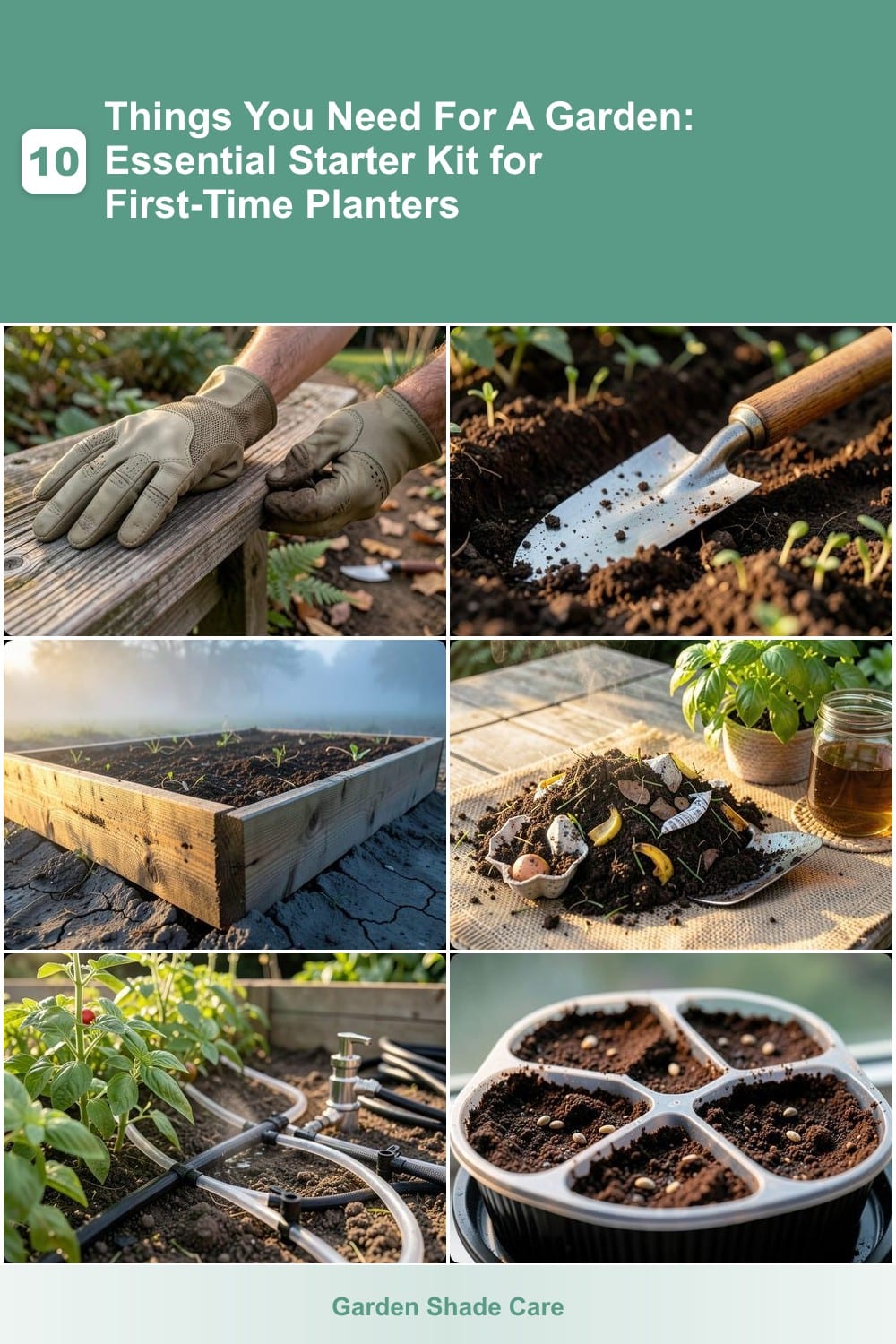
Skincare isn’t just for your face—your hands deserve protection too. Gardening gloves shield against blisters, thorns, and soil-borne irritants while giving you a better grip on tools and delicate plants, so you can work longer without discomfort.
Look for breathable, reinforced palms (like those with Kevlar or leather) to handle prickly roses or rough soil without tearing. Water-resistant materials keep hands dry during rain or watering sessions, while ergonomic fits reduce hand fatigue. Beginners especially benefit from adjustable cuffs to keep dirt out while allowing flexibility for planting.
These gloves are your secret weapon for pain-free gardening—whether you’re wrestling with roses, digging in rocky soil, or handling spiky succulents. No more calluses or lost grip mid-task! 🌿
Sturdy Garden Trowel for Digging and Planting
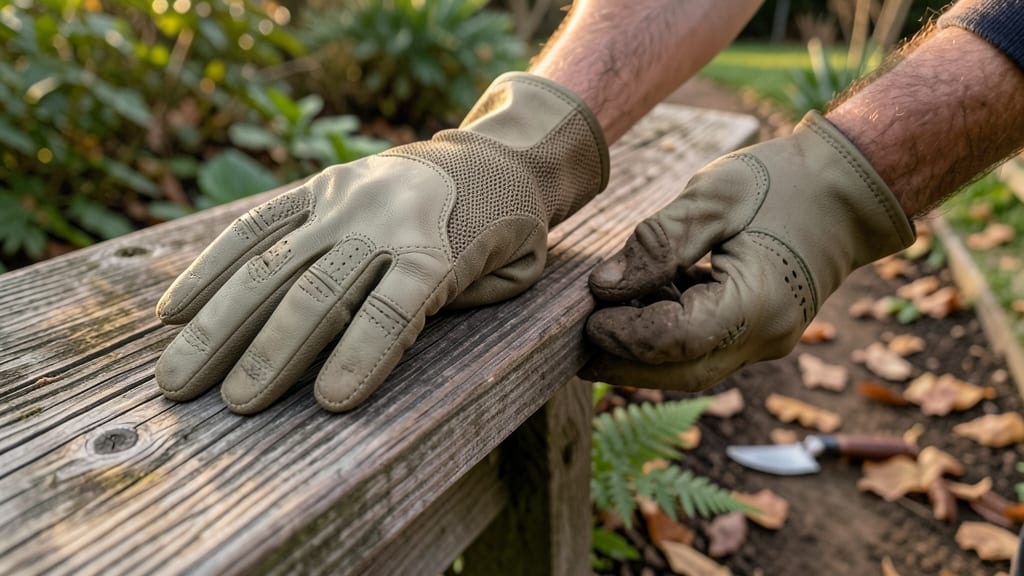
A sturdy garden trowel is the unsung hero of planting season—its sharp blade transforms hard soil into a welcoming bed for your seedlings. Unlike gloves that protect your hands, this tool protects your plants by creating clean, precise holes that prevent root damage during transplanting.
Look for a stainless steel trowel with a comfortable handle and a pointed tip for breaking up compacted soil. The angled blade helps you dig deeper without strain, while the serrated edge gives you grip when working with wet or rocky soil. A durable trowel lasts years, making it a cost-effective investment for both container gardens and in-ground plots.
This is the tool that turns nervous first-time planters into confident gardeners—no more struggling with dull or flimsy alternatives. 💪
Raised Garden Beds for Better Drainage and Soil Control
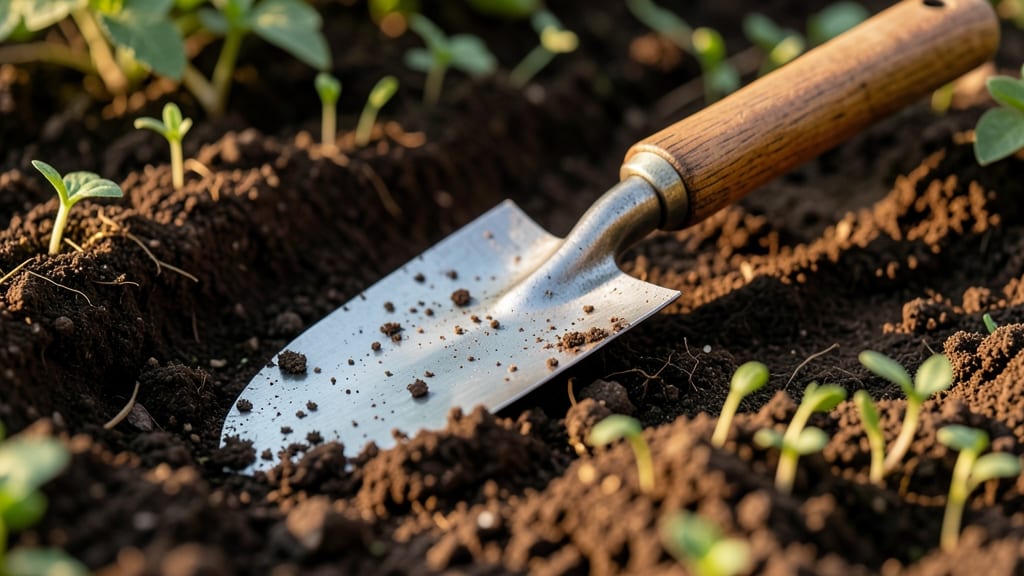
If your yard has compacted soil or limited space, raised garden beds transform challenges into opportunities. By elevating roots 6–12 inches above ground, you create an ideal environment where moisture drains efficiently, weeds struggle to take hold, and soil stays loose year-round—even in heavy clay or rocky terrain.
Start with untreated cedar or redwood (naturally rot-resistant) for beds 4x8 feet or smaller, filled with a mix of topsoil, compost, and perlite for perfect drainage. The elevated design also warms up faster in spring, letting you plant 2–4 weeks earlier than in-ground gardens. Plus, the contained edges keep pets and children from trampling your crops.
This setup is a game-changer for urban balconies, patios, or backyard corners—giving you full control over soil quality without backbreaking prep work. 🌱
Organic Compost for Nutrient-Rich Soil
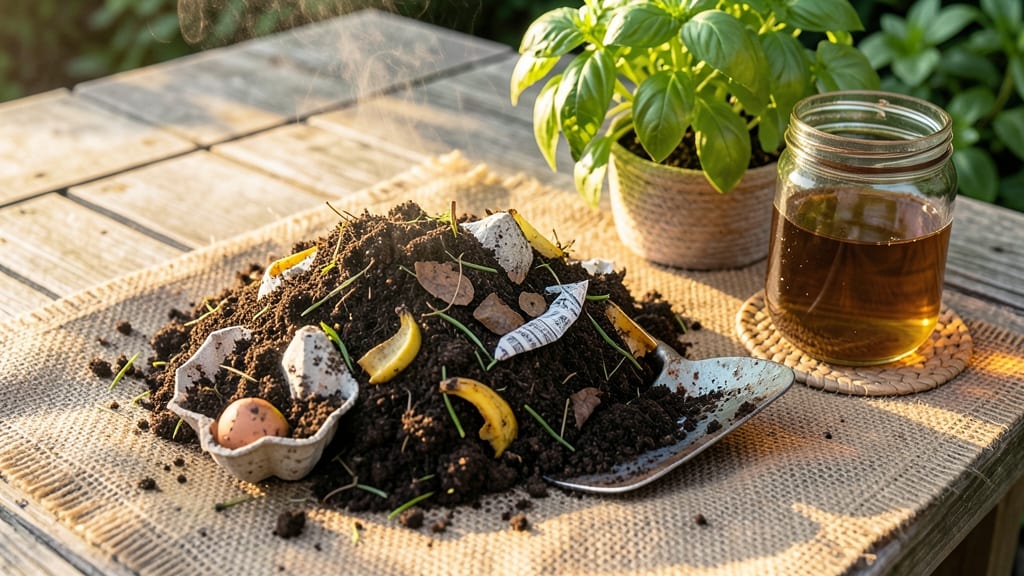
If you’re tired of wilting plants and want a garden that thrives without harsh chemicals, organic compost is your secret weapon. Unlike synthetic fertilizers, compost feeds soil naturally, improving structure and retaining moisture while releasing nutrients slowly—exactly what first-time gardeners need to avoid overfeeding mistakes.
Look for dark, crumbly compost rich in earthworms and decomposed plant matter (like leaves or grass clippings). Mix 2-3 inches into your soil before planting or top-dress existing beds—this boosts root growth and helps plants withstand drought. For best results, use compost labeled "finished" (fully decomposed) to avoid burning tender roots.
This is the foundation of healthy soil, perfect for beginners who want lush gardens without guesswork. 🌱
Drip Irrigation Kit for Efficient Watering
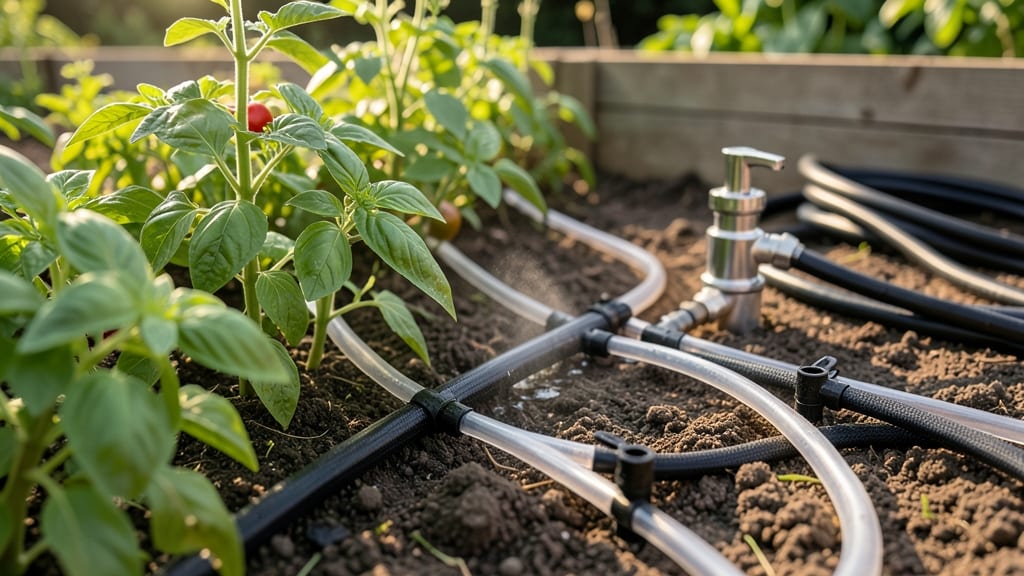
Forget the daily watering routine—drip irrigation kits automate moisture delivery straight to your plants' roots, saving you time and water while keeping your garden thriving. Unlike hose-end sprinklers that waste water on leaves (leading to fungal risks), drip systems release moisture slowly at the soil level, where it’s most effective for root growth.
Most beginner-friendly kits include adjustable emitters for different plant types, a pressure regulator to prevent leaks, and connectors for easy expansion. You can set it up in just 30 minutes, even for container gardens or in-ground beds, and customize flow rates for water-loving plants like tomatoes versus drought-tolerant succulents.
This is the secret weapon for busy gardeners—whether you’re traveling, working long hours, or simply want to cut water usage by 30-50% without sacrificing plant health. 💡
Seed Starting Trays for Indoor Germination
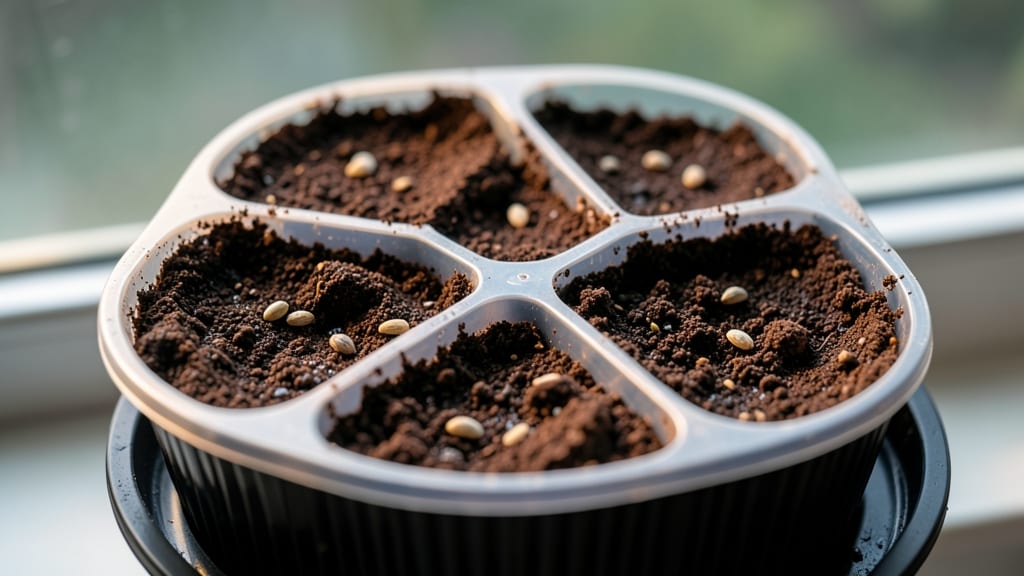
If you live in a cool climate or have a short growing season, seed starting trays are your secret weapon for beating the clock. These shallow, compartmentalized trays create the perfect controlled environment for seedlings to sprout weeks before outdoor temperatures cooperate, giving you a head start on the growing season.
Look for trays with clear lids to retain humidity and drainage holes to prevent root rot—plastic or biodegradable options work well. Fill them with a sterile seed-starting mix (not garden soil) and keep them under grow lights or a sunny windowsill (6–8 hours of light daily). Once seedlings develop true leaves, they’ll be ready to transplant outdoors after the last frost, ensuring a longer harvest.
This is especially valuable for gardeners in Zones 3–6, where early starts mean bigger yields and more time to enjoy your garden. 🌱
Pruning Shears for Shaping and Harvesting
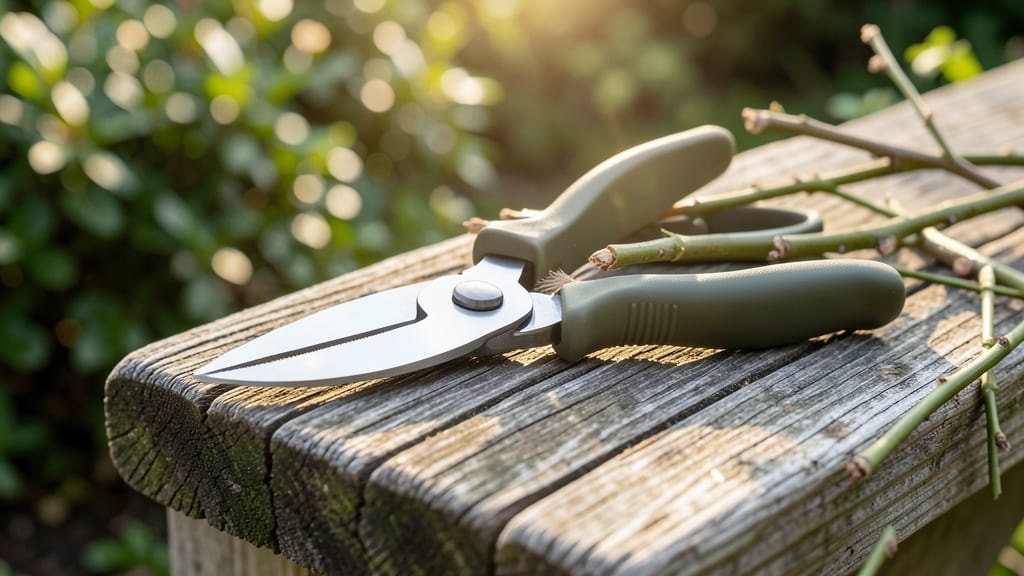
Say goodbye to sore hands and dull blades—ergonomic pruning shears are the game-changer for effortless trimming, harvesting, and shaping. Unlike basic scissors that tire your hands after 10 minutes, these tools feature comfort-grip handles and razor-sharp stainless steel blades that glide through stems without crushing them, ensuring clean cuts that heal faster.
Look for shears with a bypass blade design (not anvil-style) to avoid crushing delicate plant tissue, and a locking safety blade when not in use. They’re perfect for harvesting tomatoes, pruning roses, or deadheading flowers—tasks that would otherwise leave your hands aching. Investing in a quality pair now means fewer replacements later and happier plants.
This is the tool that turns gardening from a chore into a pleasure—ideal for anyone who wants to spend more time enjoying their garden and less time struggling with blunt tools. 🌻
Garden Kneeler Pad for Comfortable Work
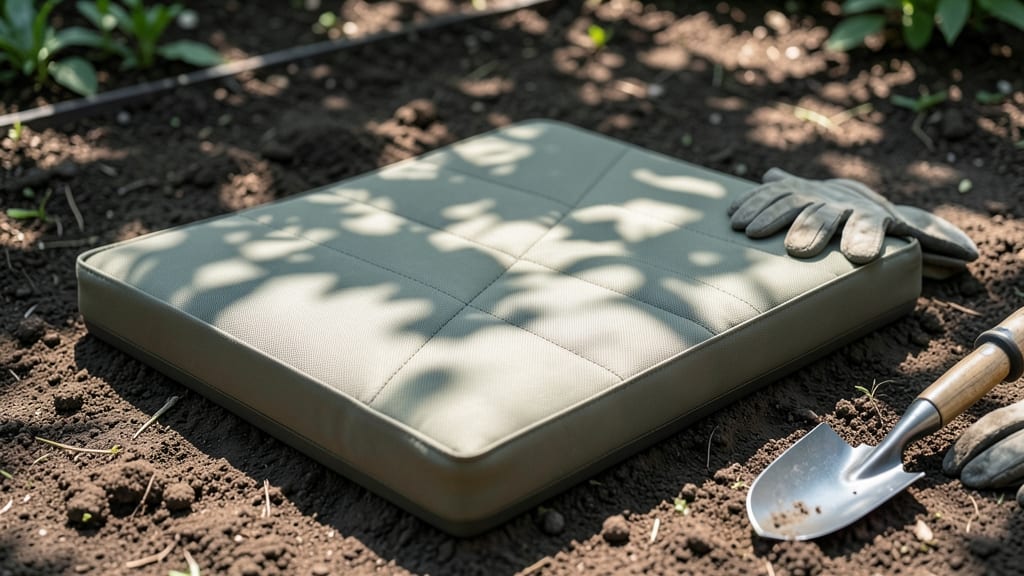
If your knees scream every time you kneel in the garden, a garden kneeler pad is your new best friend. Unlike hard soil that bruises joints after just 10 minutes, these padded cushions provide ergonomic support and non-slip grip, letting you work comfortably for hours—whether you're planting bulbs, weeding stubborn dandelions, or harvesting veggies.
Look for pads with thick foam padding (2+ inches) and textured bottoms to prevent slipping on wet soil. Some even include handles or straps for easy transport, while others fold compactly for storage. The best options are made from durable, water-resistant materials like neoprene or heavy-duty vinyl, which hold up to years of outdoor use.
This is the unsung hero for gardeners with joint concerns, mobility issues, or simply tired knees—no more cutting sessions short because your body gives out. Perfect for anyone who wants to enjoy gardening pain-free! 💪
Pest Control Spray for Natural Defense
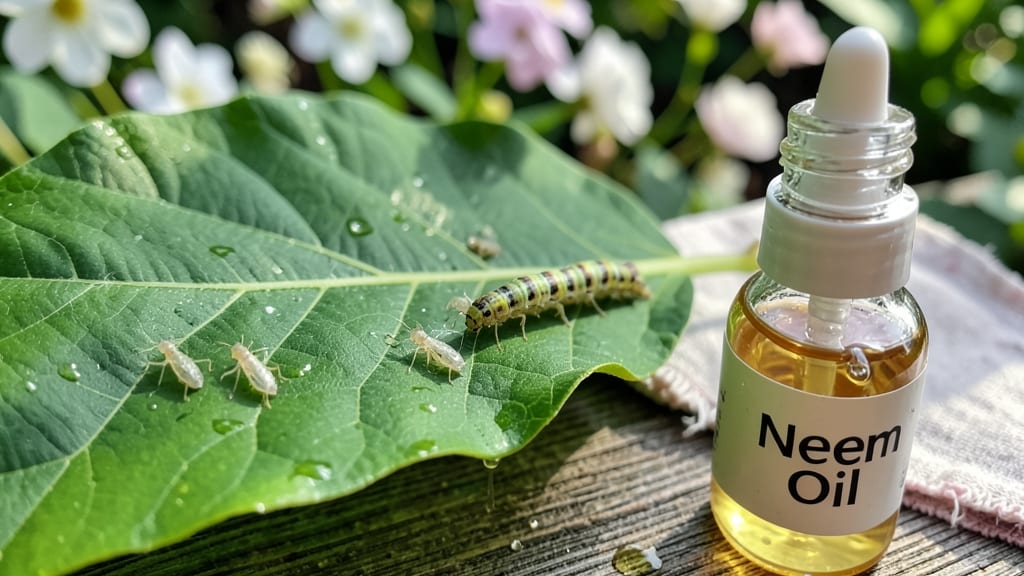
Seeing aphids or caterpillars munching on your hard work can be heartbreaking—but you don’t need harsh chemicals to win the battle. Neem oil spray, a natural pest repellent, disrupts insects' life cycles while being completely safe for bees, butterflies, and other pollinators. Unlike synthetic sprays that leave residues, this organic solution works on contact and prevents future infestations by altering pests' feeding patterns.
Mix 1 teaspoon of neem oil with 1 quart of water and a few drops of dish soap (as a surfactant) in a spray bottle. Apply in the early morning or late evening when bees are less active, focusing on the undersides of leaves where pests hide. Reapply every 7–10 days or after rain—it’s gentle enough for vegetables, herbs, and flowers but strong enough to deter aphids, whiteflies, and even fungal diseases like powdery mildew.
This is the eco-friendly solution every beginner should have—no more worrying about toxic runoff or harming beneficial insects while keeping your garden thriving. 🌟
Garden Journal for Tracking Progress
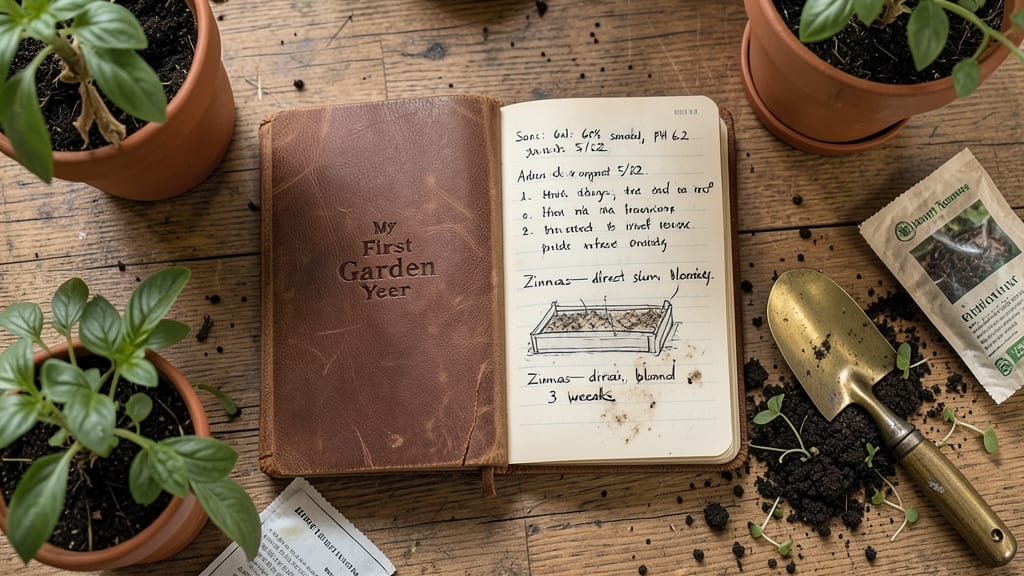
Remembering every planting detail can be overwhelming, but a garden journal turns guesswork into confidence. Unlike tools that focus on physical tasks, this simple notebook captures the story of your garden—when you planted, how the soil felt, and which plants thrived (or didn’t). By noting planting dates and soil conditions, you’ll spot patterns like why tomatoes struggled in July or why basil flourished after adding compost.
Start with basic columns: date planted, variety, location, soil notes, and growth milestones (like first bloom or harvest). Sketch a quick diagram of your bed layout to track plant placement over seasons. Even jotting down weather observations—like unexpected frost or heavy rain—helps you adjust next year. For beginners, this journal becomes a time capsule of lessons, so you can avoid past mistakes and celebrate successes like a pro.
This isn’t just about recording—it’s about building gardening intuition. Whether you’re troubleshooting a failed crop or planning next season’s layout, your journal becomes your most trusted gardening advisor. 🌿