
Pests
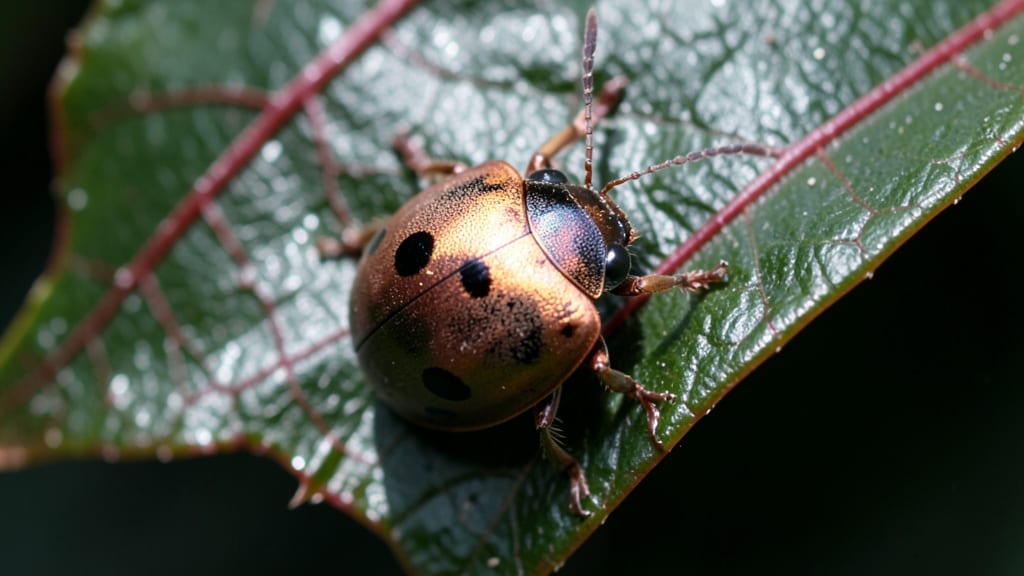
Mastering garden beetles identification turns your garden’s hide-and-seek into a game of quick wins—here’s how I cracked the code after years of backyard battles. who’s who before they chew your plants to nubs.
The Japanese beetle’s metallic green back or the striped cucumber beetle’s yellow-and-black stripes aren’t just pretty—they’re red flags for damage. One wrong move, and your roses or veggies become a beetle buffet.
Most gardeners panic at the first sign of beetles, but here’s the secret: not all are villains. Ground beetles with their long legs hunt pests for you, while lady beetles (yes, those polka-dot ones) devour aphids. The trick is distinguishing the leaf-munchers from the plant-protectors in under a minute.
Grab a magnifying glass, check the underside of leaves, and look for chewed edges—that’s your first clue. A quick scan of your garden’s most vulnerable spots (tomatoes, beans, roses) will reveal their favorite hangouts.
Once you spot them, you’ll know exactly what to do next. Japanese beetles? Trap them before they skeletonize your roses. Cucumber beetles? Use row covers to block their access. Even the "bad" beetles have weak spots—like their love for soapy water traps or neem oil sprays.
The goal isn’t to wage war, but to outsmart them before they outsmart you. You’ll save time, money, and your sanity by acting fast.
This isn’t about memorizing a bug encyclopedia—it’s about quick, dirty field notes you can use while pulling weeds. Start with the 5 most common culprits in your area, then expand your knowledge as you go.
Before you know it, you’ll be spotting beetles like a pro and keeping your garden thriving without a single chemical in sight.
📚 In This Guide
- What you need
- Instructions
- Tips and common mistakes
- Wrapping up and next steps
What you need
- ● Hand lens or magnifying glass (10x magnification recommended for close-up inspection).
- ● Notebook & pen (for recording observations like size, color, and behavior).
- ● Smartphone or camera (with macro mode or a close-up lens attachment for clear photos).
- ● Ruler or measuring tape (to note beetle size in millimeters or inches).
- ● Small containers or jars (2-3, with lids for temporarily holding beetles for closer study).
- ● Field guide or identification app (e.g., iNaturalist, BugGuide, or a printed guidebook like The Beetles of North America).
- ● Flashlight or headlamp (essential for evening inspections when beetles are most active!).
- ● Tweezers or soft paintbrush (for gently handling beetles without harming them).
- ● Entomology net (for safely capturing beetles without crushing them).
- ● Bug box or kill jar (if you need to preserve specimens for later study—use ethanol for long-term storage).
- ● UV light trap (to attract nocturnal beetles for easier identification).
- ● Printed checklist of common garden beetles in your region (for quick reference).
- ● Gloves (lightweight ones to protect your hands from prickly or defensive beetles).
Instructions for identifying common garden beetles
Here’s how to recognize the most frequent beetles in your yard—no tools needed.
Observe Size and Shape for Initial Clues
Start by noting the beetle’s overall size and body shape. Most garden beetles fall into three broad categories: small (under ¼ inch), medium (¼ to ½ inch), or large (over ½ inch). Look at the body proportions—some are oval and rounded, while others are elongated or flattened. For example, Japanese beetles have a sleek, metallic green body about ½ inch long, while ground beetles are more oval and darker.
Pay attention to how they move. Ground beetles scurry quickly, while others like rose chafers fly in erratic patterns. If you see a beetle with a hard, rounded back and short antennae, it’s likely a common garden pest. This initial observation narrows down your search before diving into details.
Examine Color and Texture for Key Details
Color is one of the fastest ways to identify beetles. Metallic greens, blues, or copper hues often indicate Japanese beetles or leaf beetles, while dull browns or blacks are typical of ground beetles or soldier beetles. Check for stripes, spots, or patches—some beetles, like the spotted cucumber beetle, have distinct yellow and black markings.
Run your finger lightly over the beetle’s back (gently, to avoid harming it). A smooth, shiny surface suggests a species like the green June beetle, while a rough or hairy texture points to something like a lady beetle (which, despite its name, isn’t always a garden pest). Texture can also reveal whether the beetle has a hard exoskeleton or softer wings.
Check for Distinctive Markings or Patterns
Look closely at the beetle’s wings, legs, and underside for unique features. Japanese beetles have white tufts of hair along their sides, while rose chafers have a coppery sheen and white spots on their wings. Some beetles, like the striped cucumber beetle, have bold yellow and black stripes that make them easy to spot.
If the beetle has visible wing covers (elytra), note their shape and any patterns. Ground beetles often have deep grooves or ridges, while others like the soldier beetle have smooth, uniform covers. These details help distinguish harmless beetles from those that might damage your plants.
Note Behavior and Habitat Preferences
Observe where you spotted the beetle—on leaves, soil, or flowers—and how it reacts to disturbances. Beetles like Japanese beetles feed on foliage, while ground beetles hunt pests in the soil. Soldier beetles are often found on flowers, feeding on pollen and nectar. If you see a beetle crawling on the ground at night, it’s likely a ground beetle.
Time of day matters too. Many beetles are active during daylight, while others, like fireflies (which are actually beetles), glow at dusk. If you’re seeing beetles in large numbers during the day, they might be pollinators or plant feeders. This behavior can help you decide whether to intervene or simply enjoy their presence.
Compare to Common Types in Your Region
Once you’ve noted size, color, texture, markings, and behavior, cross-reference your observations with known beetle types in your area. Japanese beetles, rose chafers, and cucumber beetles are common in many gardens, while others like lady beetles or soldier beetles are beneficial. Use a quick online guide or a local gardening app to match your findings.
If you’re still unsure, take a clear photo from multiple angles and compare it to trusted sources. Many gardeners keep a small notebook to jot down details like size, color, and location—this makes future identifications much easier. The more you observe, the quicker you’ll recognize patterns and spot beetles accurately.
Tips & tricks for quick garden beetle identification
These simple strategies will help you spot and recognize garden beetles faster than ever—no expertise required.
Size Matters: When you first notice a beetle, immediately categorize it by size using your fingernail as a reference. A beetle smaller than your fingernail (under ¼ inch) is likely a tiny pest like a flea beetle, while those the size of your fingernail (¼ to ½ inch) are common garden troublemakers like Japanese beetles. This quick mental trick saves time during identification.
Color and Shine: Pay attention to whether the beetle's color is dull or metallic. Metallic greens, blues, or copper hues are almost always Japanese beetles or similar leaf-eaters, while dull browns or blacks often indicate ground beetles that help control pests. This color distinction cuts your identification time in half by eliminating half the possibilities right away.
Behavior Cues: Watch how the beetle moves and where it's located. Beetles feeding on leaves or flowers during the day are usually pests, while those scurrying quickly on the ground at night are likely beneficial ground beetles. This simple observation tells you whether to intervene or let nature handle the problem.
Quick Reference Tool: Keep a small notebook or use your phone to jot down key details—size, color, and location—when you spot beetles. Over time, you'll notice patterns that make future identifications effortless. I always keep mine in my gardening apron pocket for instant access.
Pro Tips for Garden Beetles Identification
- These simple strategies will help you spot and recognize garden beetles faster than ever—no expertise required.
- Size Matters: When you first notice a beetle, immediately categorize it by size using your fingernail as a reference.
- Color and Shine: Pay attention to whether the beetle's color is dull or metallic.
Frequently asked questions
How do I tell if a beetle is harmful to my garden?
Most garden beetles are harmless or even helpful (like ladybugs or ground beetles). Look for damage: Chewed leaves, tunnels in stems, or skeletonized foliage often signal pests like Japanese beetles or Colorado potato beetles. Pro tip: Use a field guide or app (like iNaturalist) to compare features like size, color, and antennae.
When should I start checking for beetles in my garden?
Spring and summer are peak seasons! Start monitoring in early spring (March–April) as adult beetles emerge. Larvae (like grubs) often hatch in late spring/early summer. Check weekly under leaves, in soil, and on flowers—especially after rain, when beetles are most active.
Are there natural ways to control beetles without pesticides?
Try these eco-friendly methods:
- Handpick beetles (drop them in soapy water).
- Use neem oil or kaolin clay as a barrier.
- Attract beneficial predators like birds, toads, or parasitic wasps.
- Remove larval hiding spots (mulch, debris) to disrupt life cycles.
What do beetle larvae look like, and how do I get rid of them?
Larvae vary by species: Japanese beetle grubs are white, C-shaped, and burrow in soil; Colorado potato beetle larvae are striped and orange. Control tips:
- Handpick and drown in soapy water.
- Use milky spore (for grubs) or Bt (Bacillus thuringiensis) for organic treatment.
- Avoid tilling—it can spread eggs deeper into soil.
Can beetles help my garden at all?
Yes! Many beetles are pollinators or pest predators. For example:
- Ground beetles eat slugs, snails, and cutworms.
- Lady beetles (ladybugs) devour aphids.
- Dung beetles improve soil health.
Wrapping up and next steps
Identifying garden beetles doesn’t have to be a daunting task—with the right knowledge, you can confidently spot and manage these common backyard visitors. From the shiny Japanese beetle to the beneficial lady beetle, each plays a unique role in your garden’s ecosystem.
Start by observing their size, color, and behavior, and use our quick-reference guide to narrow down the possibilities.
Ready to take action? Grab a magnifying glass, head outside, and document your findings—whether it’s for pest control or simply appreciating nature’s tiny wonders. Happy beetle hunting! 🐞✨