
Blooming
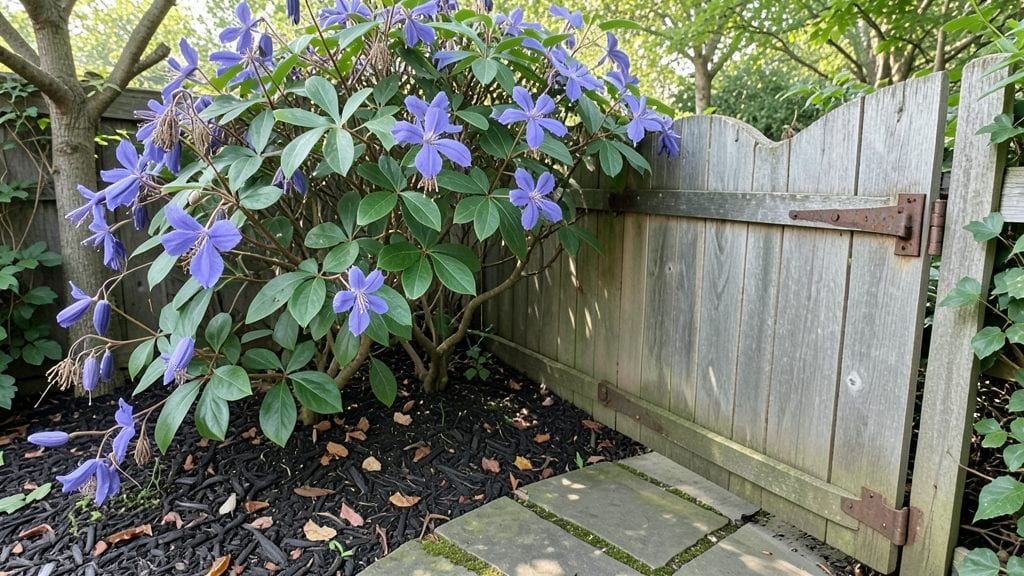
Your garden gate deserves a burst of color that stops visitors in their tracks. 🌸 I’ve turned mine into a living welcome mat with cottage-style blooms that spill over the frame in waves of pink, blue, and white—no formal design skills required.
The secret lies in mixing heights, textures, and seasonal layers so there’s always something in bloom, from early spring columbines to late-summer roses.
Start with a sturdy trellis or wire frame behind the gate to train climbers like clematis or sweet peas upward, then fill gaps with perennials like lavender, catmint, and daisies for easy-care color.
Add a few fragrant herbs—like thyme or rosemary—along the base for texture and scent, and you’ve got a low-maintenance entrance that feels like a postcard. The best part? Most of these plants thrive in partial shade, so even north-facing gates can shine.
Imagine stepping outside to a cloud of butterflies hovering over your gate, the air thick with the sweetness of peonies and the rustle of petals in the breeze.
You’ll create a front yard that feels like a secret garden, where every visitor pauses to admire the show before they even walk through. The key is layering plants so they bloom in succession—no bare spots, just lush, ever-changing color.
This works for any gate style, from rustic wood to wrought iron, and adapts to sun or shade. Whether you’re starting fresh or refreshing an existing border, the principles stay the same: height variation, fragrance, and a mix of textures to draw the eye.
Let’s bring that magic to your entrance!
📚 In This Guide
- What you need
- Instructions
- Tips and common mistakes
- Wrapping up and next steps
What you need
- ● Perennials & Annuals: 10–15 plants per square foot (mix of roses, peonies, delphiniums, hollyhocks, lavender, and sweet peas for height and texture).
- ● Climbing Plants: 2–3 vines (e.g., clematis, jasmine, or morning glories) for trellises or fences.
- ● Bulbs: 50+ tulips, daffodils, or alliums for spring bursts of color.
- ● Herbs & Edibles: 3–5 lavender, thyme, or nasturtiums (edible + pollinator-friendly!).
- ● Mulch: 2–3 bags of cedar chips or straw to retain moisture and suppress weeds.
- ● Compost: 1–2 cubic yards for enriching soil.
- ● Garden Trowel & Spade (for planting and soil prep).
- ● Pruners & Shears (sharp, bypass-style for clean cuts).
- ● Garden Gloves (durable, breathable fabric).
- ● Watering Can or Hose (with adjustable nozzle).
- ● Measuring Tape & Stakes (for layout and support).
- ● Wheelbarrow or Bucket (for hauling soil/plant materials).
- ● Trellises/Arbors: 1–2 wooden or metal frames (6–8 ft tall) for vertical blooms.
- ● Garden Seats: A whimsical bench or chair for a cozy touch.
- ● Wind Chimes or Solar Lights: To add charm and soft lighting.
- ● Paint or Stencils: For personalizing garden gates or signs.
- ● Birdbath or Butterfly Feeder: To attract pollinators and wildlife.
How to create a whimsical cottage garden with garden gate blooms
Let’s turn your garden into a storybook scene with vibrant, low-maintenance blooms that spill over fences and gates.
🌱 Step 1: Choose a Sunny Spot Near Your Garden Gate
Pick a 6-foot by 6-foot area along your fence or gate where sunlight streams in for at least 6 hours daily. Cottage gardens thrive where flowers can spill over edges—think of this as their stage. If your gate faces south or west, you’ll get the most color. Avoid shady spots unless you’re planting shade-loving perennials like astilbes or ferns.
Clear away weeds and grass, then mark the space with stakes or a garden hose. This keeps your vision clear as you plan. I like to sketch a rough layout first—grouping tall plants at the back and shorter ones near the gate so everything frames your entrance beautifully.
🌿 Step 2: Plant a Mix of Perennials and Annuals for Year-Round Color
Start with 4-6 perennials (like lavender, peonies, or coneflowers) for structure—they’ll return every year. Then add 8-10 annuals (such as sweet alyssum, marigolds, or cosmos) for instant pops of color. I mix heights: tall (delphiniums, hollyhocks), medium (roses, phlox), and low-spreading (pansies, sweet williams).
Dig holes twice as wide as the root ball and just as deep. Space perennials 18-24 inches apart and annuals 6-12 inches apart—crowding leads to weak stems and fewer blooms. Water each plant deeply after planting to settle the soil. This is where the magic starts:: your gate will soon be framed by a cascade of blooms.
☀️ Step 3: Add Climbing Plants to Frame Your Gate
Use 2-3 climbing roses, clematis, or morning glories to soften the gate’s edges. Train them along trellises or the gate itself—it’s like draping a floral curtain. Plant them near the gate’s posts or fence corners so they grow upward and spill over. Water them deeply twice a week until established, then let the roots find their own rhythm.
Watch for leggy growth—if vines stretch too far without blooms, trim them back by one-third in early spring. This encourages bushier growth and more flowers. A light layer of mulch (like shredded bark) around the base keeps roots cool and conserves water.
💧 Step 4: Water and Feed for Nonstop Blooms
Water early in the morning so flowers stay dry and last longer. Aim for 1 inch of water per week, either from rain or your hose. Let the soil dry slightly between waterings—soggy roots lead to mold and fewer blooms. I set a rain gauge nearby to track moisture; it’s easier than guessing.
Feed with a balanced, slow-release fertilizer (like 10-10-10) in early spring and again in midsummer. Deadhead spent blooms regularly—this redirects energy to new flowers. A quick pinch of wilted petals keeps your garden looking fresh and encourages more growth.
✂️ Step 5: Maintain and Enjoy the Whimsy
Spend 10 minutes weekly tidying up. Snip back overgrown stems, weave in new annuals as old ones fade, and let a few seed pods dry for winter interest. Cottage gardens are meant to feel lived-in, so don’t stress over perfection. The goal is charm, not rigidity.
As seasons change, swap out annuals for fall or winter bloomers like chrysanthemums or pansies. Your gate will always be a doorway to color, no matter the time of year. Step back, admire the view, and let the garden do the talking.
Tips & tricks for perfect garden gate blooms
Creating a whimsical cottage garden that frames your gate beautifully takes a few thoughtful touches. Here’s how to make your garden gate blooms truly magical.
Sunlight Strategy: That 6-hour daily sunlight requirement is non-negotiable for most cottage garden plants. If your gate faces north, consider adding sun-loving annuals like marigolds or zinnias near the fence line where they’ll get reflected light. For shadier spots, opt for shade-tolerant perennials like impatiens or hostas—just be prepared for fewer blooms. I’ve found that even partial shade gardens can thrive with the right plant choices.
Planting Layout: When sketching your layout in Step 1, think of your gate as the centerpiece. Place your tallest plants (like delphiniums or hollyhocks) directly behind the gate so they frame it beautifully. Medium-height plants (roses or phlox) should go about 18 inches in front of the tallest, while low-spreading annuals (pansies or sweet williams) should spill right up to the gate’s base. This creates that classic cottage garden "spillover" effect we all love.
Climbing Plant Secrets: Those 2-3 climbing plants in Step 3 are your secret weapon for instant drama. I like to plant them slightly closer to the gate (about 6 inches from the post) so they grow directly upward, creating a natural floral arch. For morning glories, save seeds from your favorite blooms—they’ll come back stronger each year. And here’s a pro tip: if your clematis or roses get leggy, trim them back by one-third in early spring rather than waiting for summer. This encourages bushier growth and more blooms throughout the season.
Watering Wisdom: That 1-inch weekly watering guideline is perfect, but timing matters just as much. Early morning watering prevents fungal diseases that thrive in damp foliage. I’ve found that watering at the base of plants (rather than overhead) keeps petals dry and extends their lifespan. For container plants near your gate, use self-watering pots—they’re worth the investment for that perfect cottage garden look without the fuss.
Pro Tips for Garden Gate Blooms
- Creating a whimsical cottage garden that frames your gate beautifully takes a few thoughtful touches.
- Sunlight Strategy: That 6-hour daily sunlight requirement is non-negotiable for most cottage garden plants.
- Planting Layout: When sketching your layout in Step 1, think of your gate as the centerpiece.
Frequently asked questions
Got questions about creating your own garden gate blooms? You’re not alone! Here are some of the most common inquiries—and their practical answers—to help you bring your cottage garden vision to life.
What’s the best time of year to plant garden gate blooms?
For most cottage garden flowers (like roses, peonies, and delphiniums), spring (after the last frost) or early fall are ideal. Perennials thrive when planted in cooler weather, giving roots time to establish before summer heat. Annuals (e.g., sweet peas, nasturtiums) can go in late spring once soil warms up. Pro tip: Check your USDA hardiness zone for local timing!
How do I keep my garden gate blooms looking neat without sacrificing charm?
Cottage gardens are meant to be lived-in, but a little maintenance keeps them stunning. Deadhead spent blooms regularly to encourage more flowers, and prune leggy stems in early spring. Use mulch (straw or wood chips) to suppress weeds and retain moisture. For climbing plants (like clematis or roses), train them gently along trellises or the gate itself—just avoid over-trimming, which can reduce blooms!
Can I use a pre-made trellis or do I need to build one?
Pre-made trellises, arches, or even DIY wire cages work beautifully for climbing flowers like jasmine, honeysuckle, or morning glories. If you’re crafty, build a simple wooden lattice or use bamboo stakes for support. For a rustic look, try black metal gates or repurposed fencing. The key is ensuring it’s sturdy enough to hold blooms without bending.
How do I protect my garden gate blooms from pests naturally?
Cottage gardens attract pollinators, but pests like aphids or slugs can be a nuisance. Try these eco-friendly fixes:
- Neem oil spray (diluted) for soft-bodied insects.
- Copper tape around pots to deter slugs.
- Plant companions like marigolds (repel nematodes) or lavender (keeps bees happy and pests away).
- Handpick larger pests (like tomato hornworms) early in the morning.
What are some low-maintenance alternatives to traditional garden gate blooms?
If you love the look but want less upkeep, try:
- Drought-tolerant perennials like Russian sage, catmint, or sedum.
- Self-seeding annuals (e.g., cosmos, bachelor’s buttons) that pop up year after year.
- Ornamental grasses (like fountain grass or switchgrass) for texture and movement.
- Succulents (like hens-and-chicks) for a whimsical, modern twist.
Wrapping up and next steps
Transforming your space into a whimsical cottage garden filled with garden gate blooms is simpler than you think—and the rewards are pure joy! 🌸 From choosing the right flowers to crafting charming accents, every step brings you closer to a dreamy, vibrant retreat.
Whether you’re a seasoned gardener or just starting, your garden deserves this touch of magic.
Ready to take the next step? Sketch your layout, gather your materials, and start planting! Don’t forget to share your progress—we’d love to see your garden gate blooms come to life. Happy gardening! 🌿✨