
Pests and Diseases
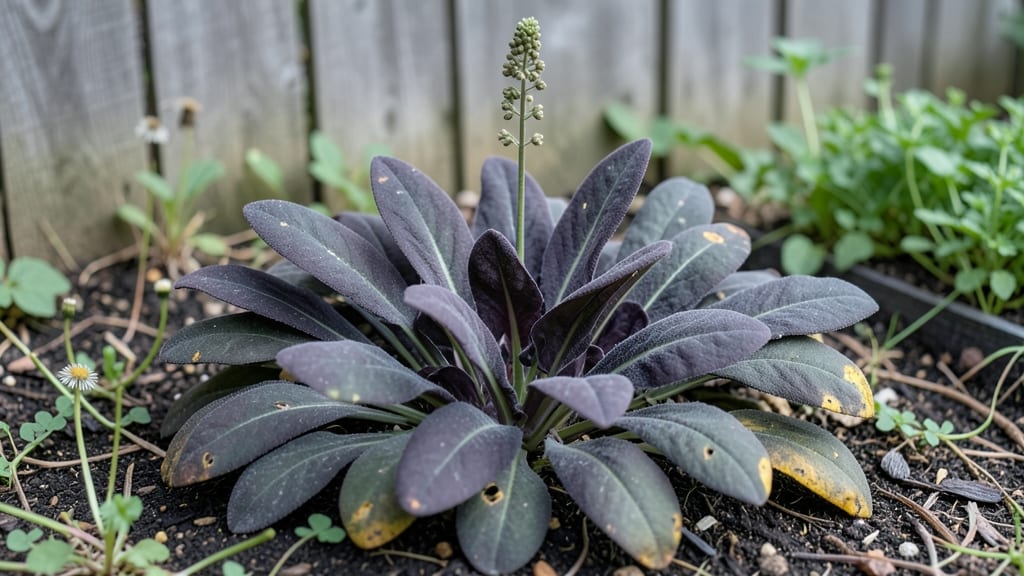
That purple-leaved weed creeping through your garden beds is likely purple dead-nettle—a tenacious invader that spreads faster than you can say "weed whack." I remember the first time I spotted it choking out my lettuce, and honestly, it took me three tries to get rid of it for good.
The good news? Once you recognize its square stems and scalloped leaves, you can outsmart it before it takes over.
This weed thrives in shady spots and disturbed soil, which explains why it pops up after tilling or planting. Hand-pulling works best when the soil is moist—just grab the base and avoid breaking off the top.
For stubborn patches, a vinegar spray (3% acetic acid) or targeted boiling water does the trick without harsh chemicals. My garden journal notes that early spring and fall are the best times to attack it before it seeds.
What you’ll gain is a garden where your intended plants—not this purple menace—get all the sunlight, water, and nutrients. The leaves turn back to green in your beds, and you’ll spot new growth from your actual vegetables within weeks.
Prevention is key: mulch heavily in spring to block light, and fill bare spots with ground cover like creeping thyme.
Works for backyard gardens, raised beds, or even container edges where weeds sneak in. The same techniques apply whether you’re dealing with purple dead-nettle or its lookalike, henbit—just watch for those square stems. Let’s get those garden beds back where they belong: yours.
Root Causes Behind Leaf Color Shifts
If you’ve spotted a garden weed with purple leaves popping up in your yard, you’re likely dealing with a plant that’s either anthocyanin-rich or under stress. These vibrant hues aren’t just a quirky trait—they’re often a biological response to environmental or physiological triggers.
Let’s break down the science behind why these weeds turn purple and how their conditions might mirror (or differ from) your garden’s health.
🌱 Natural pigment production (anthocyanins at work)
Many weeds—especially those in the Lamiaceae (mint family) or Portulacaceae (purslane family)—produce anthocyanins, the same pigments that give blueberries or eggplants their deep color. These compounds:
- Protect leaves from excessive sunlight by acting as natural sunscreen, absorbing UV radiation.
- Indicate maturity: Young leaves may start green, but as they age, anthocyanins accumulate, turning them purple or red.
- Signal nutrient efficiency: Purple hues often mean the plant is conserving nitrogen and phosphorus, redirecting them to critical growth areas.
Actionable insight: If your weed’s purple leaves are uniformly colored (no streaks or spots), it’s likely just following its natural pigment timeline. No intervention is needed—unless you’re trying to remove it!
💧 Water stress triggers (drought or overwatering)
Weeds with purple leaves often react to moisture imbalances, whether from:
- Drought conditions: When soil dries out, the plant produces anthocyanins to reduce water loss through transpiration. This is a survival tactic—think of it as the plant’s way of saying, “I’m conserving H₂O!”
- Overwatering or poor drainage: Roots struggling in soggy soil can’t absorb nutrients efficiently, leading to oxidative stress. The purple tint is a distress signal, similar to how your skin turns red when you’re overheated.
How to check:
- Stick your finger 2 inches into the soil near the weed. If it’s bone-dry, water deeply but infrequently.
- If the soil stays muddy for days, improve drainage with compost or sand.
🌡️ Temperature and light fluctuations
Cold snaps or intense heat can shock weeds into producing purple leaves. Here’s how:
| Condition | Effect on Weeds | What It Means for Your Garden |
|---|---|---|
| Frost or chilly nights | Anthocyanins act as antifreeze, protecting cell membranes from damage. | If purple leaves appear after a freeze, the weed is resilient—but it may also signal weakened roots. |
| Intense sunlight (especially in hot climates) | Pigments shield leaves from photooxidative damage, preventing sunburn. | Shade-loving weeds (like henbit) turning purple may need mulch to retain moisture. |
Pro tip: 🌡️ If your region has swinging temperatures (e.g., warm days, cold nights), purple weeds are adapting. Focus on soil health to help your desired plants outcompete them.
🧪 Nutrient deficiencies (what’s missing in the soil?)
While purple leaves can be natural, they’re also a cry for help when weeds lack key nutrients. Common deficiencies include:
- Phosphorus (P): Critical for energy transfer in plants. Purple stems/leaves often mean the weed is starving for P to fuel growth.
- Nitrogen (N): Too little N leads to chlorosis (yellowing), but excess N can also trigger purple hues in some species by altering pigment pathways.
- Potassium (K): Low K weakens cell walls, making plants more susceptible to stress—hence the purple tint as a secondary symptom.
Diagnose the issue:
- Do a soil test (kit from a garden center or lab). Aim for a balance of N-P-K ratios (e.g., 10-10-10 for general use).
- Add compost or bone meal (for P) if tests show deficiencies.
Warning: ⚠️ Purple leaves from nutrient stress often coincide with stunted growth or yellowing undersides. If your weed is thriving despite the color, it’s likely not a deficiency issue.
Understanding these triggers helps you decide whether to leave the weed (if it’s harmless) or act fast (if it’s aggressive). Next, we’ll cover how to tell this weed apart from look-alikes so you can target removal effectively.
Simple Fixes for Purple-Leafed Garden Invaders
Now that you know why those vibrant purple-leafed weeds are taking over, it’s time to reclaim your garden! The good news? With the right approach, you can banish them for good.
Below are practical, step-by-step solutions tailored to the root causes—whether it’s overcrowding, poor soil, or sheer persistence. Plus, we’ll share prevention tips to keep them from staging a comeback.
🌱 Fix Overcrowding & Competition
If your garden is too packed, purple-leafed weeds like henbit, purple deadnettle, or creeping charlie thrive by outcompeting your plants for sunlight and nutrients.
🔥 Pull Them Early (Before Seeds Spread)
- When? On dry, sunny days—soil is easier to work with, and weeds pull out cleaner.
- How?
- Grab weeds at the base (use gloves if they’re prickly!).
- Twist and tug to remove the entire root—especially for creeping types like purple deadnettle.
- Drop them in a sealed bag (not the compost!) to prevent reseeding.
🍳 Improve Airflow & Spacing
- Thin out dense plantings (especially in vegetable gardens or flower beds).
- Mulch strategically: Use 2–3 inches of organic mulch (straw, wood chips, or shredded leaves) to block sunlight and smother weeds.
- Pro Tip: 💡 Avoid piling mulch directly against plant stems—this can rot them!
🌿 Fix Poor Soil Conditions
Purple-leafed weeds often pop up when soil is nutrient-poor, compacted, or too moist.
👨🍳 Boost Soil Health Naturally
- Test your soil (a simple DIY kit from a garden center works). If it’s too acidic (low pH), amend with lime; if too alkaline, add sulfur or peat moss.
- Add compost (1–2 inches mixed into the top 6 inches of soil) to improve drainage and nutrient availability.
- Avoid overwatering—many purple-leafed weeds (like henbit) love damp soil. Water deeply but less frequently to encourage strong, competitive plants.
🥘 Choose Tougher Plants
- Interplant with ground covers like clover, creeping thyme, or ajuga—they outcompete weeds naturally.
- Select fast-growing, shade-tolerant plants (e.g., lettuce, spinach, or ferns) to fill gaps quickly.
🔪 Chemical-Free Weed Control
If manual removal isn’t cutting it, try these low-toxicity methods:
🌡️ Vinegar & Salt Spray (Spot Treatment Only!)
- Mix:
- 1 gallon white vinegar (20% acetic acid)
- 1 cup salt
- 1 tbsp dish soap (helps stick to leaves)
- Apply on a sunny day (avoid wind!) to only the weeds—this can harm nearby plants.
- Reapply every 3–5 days until weeds die (usually 1–2 weeks).
🎯 Boiling Water (For Small Patches)
- Pour boiling water directly on weeds (works best for purple deadnettle in cracks or sidewalks).
- Best for: Driveways, patios, or between pavers.
✨ Solarization (For Large Areas)
- Cover the soil with clear plastic for 4–6 weeks in hot sun (summer).
- How it works: The plastic traps heat, killing weed seeds and roots.
- When to do it: Late spring or early summer for best results.
🛡️ Prevention: Keep Them From Returning
The best defense is a healthy, weed-resistant garden. Here’s how to stay ahead:
💡 Long-Term Prevention Tips
- Remove weeds before they seed—most purple-leafed weeds spread via tiny, wind-borne seeds.
- Use landscape fabric under mulch in high-weed areas (leave edges buried to prevent weeds from growing up).
- Plant densely—tightly spaced plants leave less room for weeds to establish.
- Rotate crops if you have a vegetable garden to disrupt weed life cycles.
- Encourage beneficial insects (like ladybugs and ground beetles)—they munch on weed seedlings!
🌱 Seasonal Maintenance Checklist
| Season | Action |
|---|---|
| Spring | Pre-emergent herbicide (natural options like corn gluten meal) or hand-pull before weeds get tall. |
| Summer | Mulch heavily and water deeply to strengthen plants. |
| Fall | Remove all weeds before they drop seeds—especially purple deadnettle! |
| Winter | Cover bare soil with straw or leaves to prevent weed seeds from germinating. |
Final Thought: Purple-leafed weeds may look pretty, but they’re stealing your garden’s spotlight—and resources. With consistent effort and smart prevention, you’ll send them packing for good. Happy weeding! 🌿✨
Frequently asked questions
How do I tell purple dead-nettle apart from other purple-leaved weeds?
Look for square stems and scalloped, toothed leaves arranged in opposite pairs. Purple dead-nettle also has tiny white or pink flowers that resemble foxglove. Henbit, another common lookalike, has rounder leaves and purple flowers, while creeping Charlie has purple flowers and spreads via runners.
Is it safe to touch purple-leaved weeds like purple dead-nettle?
Most purple-leaved weeds are non-toxic to humans, but some (like henbit) can cause mild skin irritation if you're sensitive. Always wear gloves when pulling weeds, especially if they have prickly stems or thorns. This keeps your skin safe and prevents accidental spreading of seeds.
Why do these weeds keep coming back even after I pull them?
Purple-leaved weeds like dead-nettle spread through tiny seeds that blow in the wind or via creeping roots. If you don’t remove them before they flower, you’ll just be fighting next year’s crop. Pull weeds early (before they seed) and mulch heavily to block light from new seedlings.
Can I use vinegar to kill purple-leaved weeds without harming my plants?
Yes—but be precise. Use undiluted white vinegar (20% acetic acid) on a sunny day, targeting only the weeds. Avoid spraying nearby plants, as vinegar can damage their leaves. For extra effectiveness, add 1 tablespoon of dish soap to help it stick.
What’s the best time of year to tackle these weeds?
Early spring or fall are ideal—weeds are actively growing but not yet seeding. Avoid summer if your region is hot, as weeds may be dormant or stressed. Winter is tricky (some weeds survive), but you can smother them with cardboard or thick mulch to prevent regrowth.