
Blooming
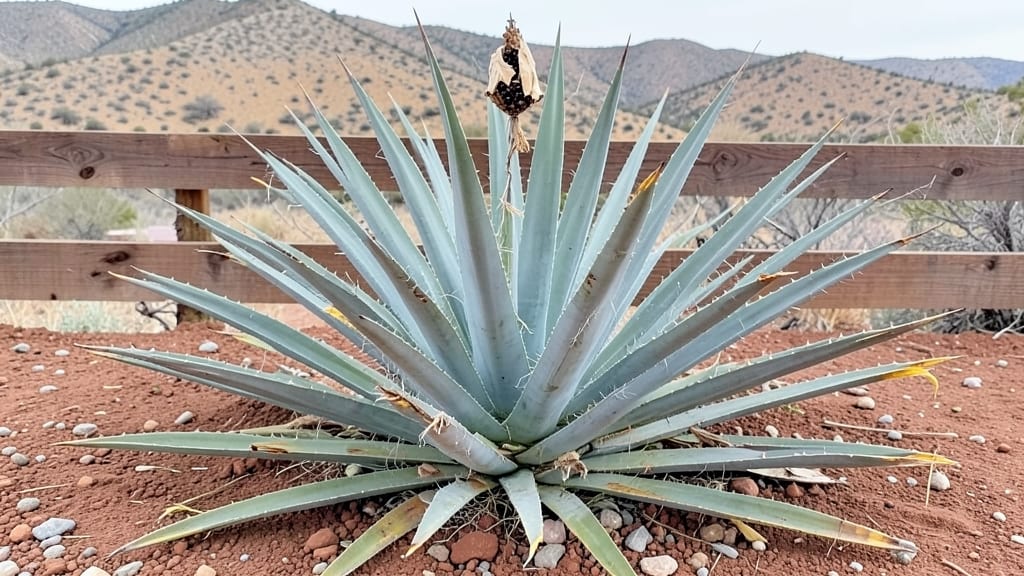
Gardening in New Mexico thrives best with native plants like yucca, agave, and desert marigold that demand minimal water, combined with smart irrigation methods tailored to the region's extremes. High-altitude gardens need cold-resistant species, while low desert areas excel with mulching and precision watering systems.
New Mexico's unique climate demands plants that can handle both extreme heat and cold snaps, which is why native species dominate successful gardens. 🌵 The deep root systems of plants like yucca and agave allow them to access water far below the surface, while desert marigolds add vibrant color without requiring much maintenance.
I've seen firsthand how these plants not only survive but thrive with proper spacing and soil preparation—often needing water just once every two weeks once established.
Beyond plant selection, the real game-changer is how you water. Instead of daily sprinklers, I recommend drip irrigation systems that deliver water directly to roots, reducing evaporation. For raised beds, a simple mulch layer of straw or gravel can cut water needs by up to 40%.
The key is mimicking natural rainfall patterns—watering deeply in the early morning when temperatures are cooler and winds are calm.
💡 In This Article
- Top Drought-Tolerant Plants for New Mexico Climates
- Water-Saving Techniques for New Mexico Gardens
Top drought-tolerant plants for New Mexico climates
New Mexico's climate creates two distinct gardening zones: the high desert (elevations above 5,000 feet) and the low desert (below 4,000 feet). Plants in these regions have evolved unique survival strategies.
In the high desert, species like blue grama grass and sagebrush develop deep taproots reaching 10-15 feet underground to access moisture. Their waxy leaves reduce water loss through transpiration by up to 70% compared to non-native plants.
Meanwhile, low desert natives like ocotillo and desert willow have adapted to intense sun with reflective leaf surfaces that deflect 30-40% of solar radiation.
The most successful plants share three key traits: succulent water storage, silver or gray foliage, and seasonal dormancy. For example, yucca stores water in its thick, sword-like leaves while its roots spread 3-5 feet wide to capture every drop.
The desert marigold (Baileya multiradiata) blooms from spring to fall but drops its leaves in winter to conserve energy. These adaptations mean they can survive on half the water that lawn grasses require.
Soil preferences vary too—high desert plants often thrive in sandy loam with good drainage, while low desert species tolerate caliche (limestone-rich) soils that hold minimal moisture.
Seasonal timing matters when planting these drought warriors. Most native perennials establish best in late summer or early fall when temperatures drop below 85°F and rainfall increases.
I've found that agave parryi (a high desert favorite) takes 2-3 years to fully root but then requires watering just once every 3-4 weeks during peak summer. The trade-off? These plants reward patience with dramatic displays—like the desert candle (Echinomastus) that erupts in 3-inch pink blooms after years of growth.
Their slow growth also means less competition for water with weeds.
Here's what most gardeners overlook: the microclimate differences within regions. A north-facing slope in the high desert might stay 10°F cooler than a south-facing one, allowing moisture-loving natives like New Mexico penstemon to thrive.
In the low desert, mesquite trees create "shade islands" where humidity stays 15-20% higher than open areas. Planting in these natural microclimates lets you expand your palette to include semi-drought species like Texas mountain laurel that need slightly more moisture but still far less than traditional garden plants.
For container gardening—common in urban Albuquerque or Santa Fe—choose compact natives like four o'clocks (Mirabilis) or desert spoons (Dasylirion). These handle 5-gallon pots beautifully and can be moved to shaded areas during extreme heat. The secret? Use cactus/succulent mix soil with 30% perlite to prevent compaction.
In my own containers, I've seen desert marigolds bloom continuously for 120 days with just 1 inch of water every 10 days—a fraction of what petunias would need.
Don't underestimate the power of companion planting. Pairing yucca with lupine creates a nitrogen-rich soil environment that helps both thrive. The lupine's deep roots bring up nutrients while the yucca's shade reduces evaporation.
This natural synergy cuts water needs by 30% compared to single-species plantings. The scent alone—honey-sweet lupine with lemony yucca—makes the garden feel alive without the maintenance.