
Pests
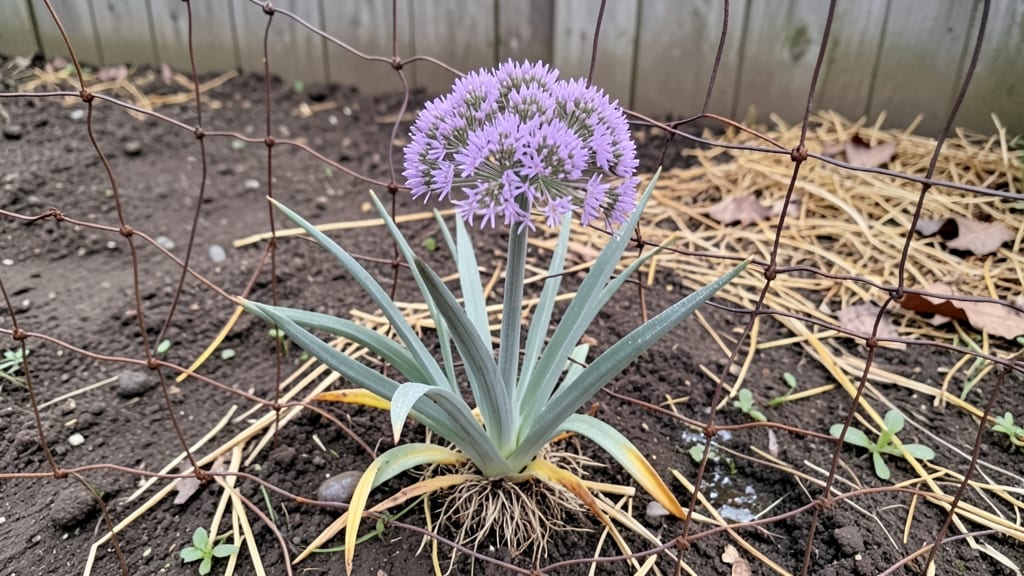
Learn how to keep critters away from garden before they turn your space into a buffet—rabbits nibbling lettuce, squirrels digging up bulbs, and slugs turning hostas into lace. Homemade peppermint oil spray changed everything in just a few days.
The secret lies in how mint’s strong scent confuses their noses while being completely safe for plants and pets.
You’ll need just three ingredients: peppermint essential oil, water, and a spray bottle—no fancy equipment. Mix 10 drops of oil per cup of water, shake well, and spray around plant edges, pathways, and problem spots.
Reapply after rain or every few days for persistent pests. It’s not just for rabbits; deer, ants, and even mosquitoes hate the smell too.
By morning, you’ll see critters avoiding treated areas like they’ve discovered a no-entry zone. The plants stay lush, the soil stays undisturbed, and you skip the harsh chemicals. Best of all, it works year-round—just adjust the spray frequency for wet seasons.
This isn’t a one-time fix but a sustainable shield for your garden. Pair it with companion planting (like marigolds) for double protection, and you’ll have a fortress that keeps pests out without harming the ecosystem. Let’s get started!
The Hidden Lures Inviting Critters In
Critters don’t just wander into your garden by accident—they’re drawn by a mix of natural instincts, environmental cues, and even chemical signals. Understanding why they show up is the first step to outsmarting them.
Let’s break down the science behind their behavior and how your garden might be sending out an all-you-can-eat buffet sign.
🌱 Food sources: the buffet effect
Most garden pests and wildlife are opportunistic eaters, and your plants might be serving up a five-star menu. Here’s what’s really on the menu:
- Soft, Tender Plants: Young shoots, succulent leaves, and fruits are like fast food to critters. Why? These plants require less chewing and provide quick energy. For example, rabbits and deer prefer clover and hostas because their high moisture content makes them easy to digest.
- Sweet or Fragrant Flowers: Bees, butterflies, and even raccoons are attracted to the nectar and aromatic compounds in blooms like roses or tomatoes. Some pests, like squash bugs, also use scent trails to locate their favorite host plants.
- Decaying Matter: Compost piles, fallen fruit, and rotting vegetables release volatile organic compounds (VOCs), which act like a dinner bell for flies, rodents, and even bears. Pro tip: A single overripe apple on the ground can attract hundreds of fruit flies within hours.
- Protein-Rich Plants: Insects like aphids and caterpillars target plants high in nitrogen (e.g., lettuce, cabbage, or beans) because protein fuels their growth and reproduction.
💡 Actionable Insight: If you’ve noticed critters feasting on specific plants, try rotating crops or choosing less palatable varieties (e.g., bitter melon over sweet cucumbers for squirrels). Mulching with straw or pine needles can also mask the scent of soil-dwelling pests like grubs.
🏡 Shelter and nesting opportunities
Critters aren’t just after a snack—they’re also scouting for safe havens. Your garden might unknowingly offer the perfect real estate:
| Critter | Why They Choose Your Garden | Common Hideouts |
|---|---|---|
| Raccoons | They seek dark, enclosed spaces to nest and forage undisturbed. Gardens with dense shrubs or unsecured sheds are prime targets. | Under decks, in woodpiles, or behind dense ivy or hostas |
| Squirrels | They burrow or nest in loose soil or hollow trees. A garden with mulch piles or unpruned trees is an open invitation. | Tree cavities, leaf litter, or birdhouses (they’ll evict birds!) |
| Rodents (Mice/Rats) | They need insulation and food sources within 20 feet of each other. Gardens with thick mulch or unsecured compost bins are ideal. | Under porches, in garden hoses, or inside tool sheds |
| Birds (Sparrows, Starlings) | They build nests in dense foliage or man-made structures for protection from predators. | Tree branches, ornamental grasses, or gutters |
🔥 Pro Tip: Trim back overgrown areas, secure trash cans, and avoid leaving board piles or old pots where critters can nest. Even a 6-inch gap under a deck isn’t enough to deter raccoons—they’re acrobats!
🌙 Water sources: the silent magnet
Dehydration is a major driver of wildlife behavior, and your garden might be the only oasis in the neighborhood. Here’s how water attracts critters:
- Standing Water: Birdbaths, clogged gutters, or even overwatered soil create breeding grounds for mosquitoes and snails. Deer and rabbits also drink from these sources, making them more likely to linger.
- Dew and Morning Dampness: Slugs and snails are nocturnal and use the high humidity of dawn to hunt. Gardens with shady, moist areas (like under mulch) become their hunting grounds.
- Irrigation Systems: Drip lines or sprinklers can inadvertently attract rodents and insects by creating predictable water sources. Example: Mice will follow the sound of running water to drink and may chew through irrigation tubing to access it.
✨ Smart Fix: Use drip irrigation with emitters below soil level to avoid surface water. For birdbaths, add a floating solar-powered fountain—the movement deters mosquitoes! And never leave pet water bowls outside overnight.
🌑 Light and noise pollution
Believe it or not, artificial light and human activity can repel some critters but attract others—often in unintended ways:
- Moths and Flying Insects: Bright outdoor lights (especially white or blue LEDs) mimic moonlight, tricking nocturnal insects into flying toward your garden. Why? Their navigation systems are hardwired to follow light sources.
- Rodents and Raccoons: Quiet, dimly lit gardens with minimal human traffic feel safer for them. They’re more likely to raid unsupervised compost bins or unsecured trash.
- Deer and Rabbits: Gardens near streetlights or security lights may seem less threatening to them, increasing their grazing frequency.
🎯 Counterintuitive Solution: Swap bright lights for warm-toned bulbs (2700K or lower) or motion-activated sensors to reduce moth attraction. And move compost bins at least 10 feet away from garden edges to break their line of sight.
Now that you know why critters are crashing your garden party, the next step is to flip the script with targeted, science-backed deterrents. Stay tuned!
Quick Fixes for Common Garden Critters
Critters can turn your lush garden into a buffet overnight—but don’t panic! With the right strategies, you can reclaim your green space without resorting to harsh chemicals. Below, we’ve mapped out practical, critter-specific solutions to deter unwanted visitors and keep your plants thriving.
Prevention is key, so we’ve included easy-to-follow tips to stop pests before they start.
🐇 Rabbits & Deer: Fencing & Scents That Repel
These herbivores love munching on tender shoots and young plants. The good news? They hate strong scents and physical barriers.
🔥 Install a Temporary Fence
- Use chicken wire or hardware cloth (18–24 inches tall) to block access.
- Bury the bottom 6 inches deep to prevent digging.
- For deer, go 8 feet tall—they can jump surprisingly high!
🍳 DIY Peppermint Oil Spray (Instant Deterrent)
Mix 2 tbsp peppermint oil + 1 gallon water + 1 tsp dish soap in a spray bottle. Reapply every 3–5 days after rain. Pro tip: 💡 Add a few drops of citrus oil (oranges, lemons) for extra repellency—critters despise the smell!
🌡️ Plant Natural Repellents
- Lavender, rosemary, or marigolds around the perimeter confuse their scent trails.
- Daffodils and alliums (onions, garlic) are toxic to rabbits and deer.
🐛 Slugs & Snails: Traps & Barriers
These slimy pests leave behind a trail of destruction on leaves and stems. Luckily, they’re easy to outsmart!
👨🍳 Beer Traps (Yes, Really!)
- Bury a shallow container (like a yogurt cup) filled with beer at ground level.
- They’ll crawl in, drown, and you’ll wake up to a slug-free zone.
🥘 Copper Tape or Diatomaceous Earth
- Wrap copper tape around pots or garden beds—it gives them a mild electric shock when they touch it.
- Sprinkle food-grade diatomaceous earth (DE) around plants. It’s non-toxic but deadly to slugs.
⏰ Remove Hideouts at Dusk
- Slugs love hiding under boards, rocks, or dense mulch during the day.
- Shake them into a bucket of soapy water before they strike at night.
🐞 Aphids & Other Soft-Bodied Bugs: Soap & Sprays
Aphids, whiteflies, and spider mites suck the life out of your plants—but they’re no match for a good spray-down.
🔪 Homemade Insecticidal Soap
Mix:
- 1 tbsp castile soap (or mild dish soap)
- 1 quart water
- 1 tsp neem oil (optional, for extra power)
Spray directly on pests (not just leaves) every 5–7 days.
🌿 Introduce Beneficial Insects
- Ladybugs, lacewings, and parasitic wasps eat aphids for breakfast.
- Buy them online or attract them with dill, fennel, or yarrow.
🎯 Blast Them Off with Water
- A strong stream of water in the early morning dislodges aphids and washes away eggs.
🦔 Squirrels & Chipmunks: Distraction & Exclusion
These acrobatic thieves dig up bulbs and steal seeds. Outsmart them with a mix of deterrents.
🔪 Secure Your Soil
- Cover bulb beds with hardware cloth before planting.
- Use wire mesh baskets for seed-starting containers.
🌡️ Hot Pepper Sauce Spray
Mix 1 tbsp cayenne pepper + 1 quart water + 1 tsp dish soap. Spray around plant bases and entry points.
🎯 Provide a Distraction Garden
- Plant a separate "snack station" with sunflower seeds or corn far from your veggies.
- They’ll get distracted and leave your prized plants alone!
🐢 Turtles & Frogs: Gentle Relocation
While not destructive, these critters can trample young plants. A little kindness goes a long way!
🔥 Create a Wildlife Pond
- A small water feature with rocks gives them a home away from your garden.
- Place it at least 10 feet away from veggie beds.
🌿 Use Raised Beds
- Turtles struggle to climb elevated planters, keeping them out of reach.
✨ Relocate During Planting
- If you spot them, gently move them to a nearby wooded area with water.
💡 Universal Prevention Tips (Work for All Critters!)
Stop pests before they start with these low-effort habits:
- 🌙 Water in the morning—wet foliage at night attracts slugs and fungi.
- 🍃 Keep grass short around garden edges—it hides pests and invites them in.
- 🌿 Rotate crops yearly—many pests target the same plants season after season.
- 🌱 Interplant flowers with veggies—confuses insects and attracts predator bugs.
- 🌙 Use row covers for early planting—lightweight fabric blocks rabbits, deer, and flying pests.
With these targeted, critter-specific fixes, your garden will stay lush, pest-free, and full of life—without the need for toxic sprays. Try one method at a time, observe what works, and soon you’ll have a fortress of fresh produce that even the hungriest critter can’t crack!
Frequently asked questions
Why does peppermint oil work so well against garden critters?
Peppermint oil contains menthol, a compound that critters like rabbits, deer, and squirrels find overwhelmingly unpleasant. The strong scent disrupts their sense of smell, confusing their natural foraging instincts and creating an unwelcome barrier. Unlike harsh chemicals, it’s non-toxic to plants and pets while remaining effective for weeks with reapplication.
How often should I reapply the peppermint spray in rainy weather?
Rain washes away the oil quickly, so check your garden every 2-3 days during heavy rainfall or frequent showers. Focus on reapplying around plant edges and entry points where critters might approach. A quick morning spray routine keeps your protection consistent without extra effort.
Will this spray harm beneficial insects like bees or ladybugs?
No—peppermint oil is specifically designed to target mammals and larger pests while leaving helpful insects alone. Bees and ladybugs aren’t affected by the scent, and the solution doesn’t contain pesticides. For extra safety, apply the spray during cooler evening hours when pollinators are less active.
What other plants can I pair with peppermint spray for extra protection?
Combine peppermint with companion plants like marigolds, lavender, or garlic for layered defense. These plants naturally repel pests through scent and their chemical compounds. Plant them around your garden’s perimeter to create a scent barrier that works even when you’re not actively spraying.
Can I use this spray on edible plants right before harvest?
Yes! Peppermint oil breaks down quickly and poses no risk to edible plants. Apply the spray 1-2 weeks before harvest to ensure any residue dissipates. For extra safety, rinse lightly with water on the day of picking if you’re concerned about lingering scent. Your produce will still be fresh and delicious!